

























































































































HomeBlog & GuidesGuidesTile & Stone
California's Quartz Countertop Ban: What It Is, What It Isn't, and What Happens Next
California is close to banning the cutting of quartz countertops. What the draft rule covers, the dates, the silicosis numbers behind it, and what to do if you're remodeling.
Quick answer: The California quartz ban is not law yet, but it is close. Cal/OSHA has drafted an emergency rule that would stop shops from cutting or fabricating engineered stone with more than 1% crystalline silica. That covers almost every quartz countertop sold today, since most contain about 90% silica. The rule targets the work, not the product: you can still own, buy or keep a quartz countertop. The state's Standards Board meets on October 15, 2026. If it passes, the cutting ban starts 60 days after the rule takes effect.
Is California banning quartz countertops?
California is in the final steps of banning the cutting of quartz countertops, but as of October 8, 2026 no ban is in force. On May 21, 2026, the Occupational Safety and Health Standards Board voted 3–0 to grant Petition 609. That petition, filed by the Western Occupational and Environmental Medicine Association, asked the state to stop work on artificial stone with more than 1% crystalline silica. Cal/OSHA then wrote a draft emergency rule and took public comments until September 30. The Board's next meeting is October 15 in San Diego.
If California adopts the rule, it will be the first U.S. state to do so. Australia banned engineered stone in July 2024.
What would the California quartz ban actually ban?
The California quartz ban would stop employers from manufacturing or fabricating engineered stone above 1% crystalline silica by weight. Fabrication means cutting, grinding, drilling, routing, polishing, finishing and joining a slab. Slabs without proof of their silica content would be treated as over the limit. Cal/OSHA regulates workplaces, so the rule cannot stop stores from selling quartz or stop you from owning it.
Under the draft rule |
Status |
|---|---|
Cutting, grinding, drilling or polishing a quartz slab in a shop |
Banned (60 days after the rule takes effect) |
Making engineered stone slabs in California |
Banned |
Fabricating slabs a shop already owned or had under contract |
Allowed for up to 180 days, with full silica safety rules |
Installing a quartz countertop |
Unclear. The petition asked for it; the September draft focuses on fabrication. |
Selling or importing quartz slabs |
Not covered (outside Cal/OSHA's power) |
Owning or using a quartz countertop at home |
Not covered |
Engineered stone at or under 1% silica |
Allowed, with documentation |
Granite, marble and other natural stone |
Not banned; still covered by the existing silica safety rule |
The draft also tells employers to warn workers in a language they understand, post signs in English and Spanish, and treat any banned fabrication as an imminent hazard. Inspectors can shut that work down on the spot.
When would the quartz countertop ban take effect?
The quartz countertop ban has no effective date yet. The earliest likely path is a Board vote on October 15 or November 19, 2026, which could put the rule in force around December 2026 or January 2027. The cutting ban would then start 60 days later. An emergency rule lasts about a year while Cal/OSHA writes the permanent version.
Date |
Step |
|---|---|
Dec 2023 |
Emergency silica safety rule for stone shops (bans dry cutting) |
Feb 2025 |
That safety rule made permanent |
Oct 2025 |
SB 20 signed: silicosis is a reportable serious illness |
Dec 2025 |
Petition 609 filed, asking for a ban above 1% silica |
May 21, 2026 |
Standards Board grants the petition, 3–0 |
Sept 16, 2026 |
Cal/OSHA releases the draft emergency rule |
Sept 30, 2026 |
Public comments close |
Oct 15, 2026 |
Standards Board meeting, San Diego (vote expected) |
Effective date + 60 days |
Cutting ban starts |
Effective date + 180 days |
Last day to fabricate slabs bought before the rule |
Dates as of October 8, 2026. We will update this table after the October 15 meeting.
How do quartz countertops cause silicosis?
Quartz countertops cause silicosis in the workers who cut them, and that is why California wants the cutting to stop. Silicosis is a lung disease with no cure. Cutting engineered stone throws off fine crystalline silica dust that scars the lungs. California counted 13 cases in 2019. By September 2026 the state had confirmed about 644 cases and 35 deaths, and Bloomberg Law reported 660 by early October.
About 98% of the sick workers are Latino men, and the average age at death was under 50 (California Department of Industrial Relations).
About half the cases are in Los Angeles County.
Health officials expect cases to keep rising for 7 to 10 years, because the disease shows up long after the dust is breathed in.
The state tried safety rules first. Since 2023, shops must cut wet, use respirators and never dry sweep. Yet Cal/OSHA found violations at 72% of the 181 shops it inspected, out of more than 1,300 in the state. That record is why the Board moved to a ban.
Are quartz countertops safe to have in your home?
Yes. An installed quartz countertop is safe to live with. The danger comes from dust made when a slab is cut, ground or polished, and that happens in the fabrication shop, not in your kitchen. Cooking on it, cleaning it and wiping it down do not release silica dust. You do not need to remove a quartz countertop because of this rule.
The one time to be careful at home is a remodel. Cutting, drilling or demolishing an old quartz top makes the same dust. Leave that work to a crew that cuts wet and wears proper respirators.
What countertops don't contain silica?
Very few countertops are silica-free, but several are far lower than standard quartz. Granite holds about 20% to 45% crystalline silica and porcelain about 15% to 25%. Marble is very low, about 2%. Low-silica engineered stones are now sold, but only the near-zero ones would clear California's 1% line.
Material |
Crystalline silica (approx.) |
Clears the 1% line? |
|---|---|---|
Standard engineered quartz |
About 90% or more |
No |
Granite |
20% to 45% |
Not covered (natural stone) |
Silestone HybriQ Q40 / Q10 |
Up to 40% / up to 10% |
No |
Dekton (sintered stone) |
5% to 11% |
No |
Caesarstone ICON |
Under 1% |
Yes, with documentation |
Porcelain slab |
About 15% to 25% |
Not engineered stone |
Marble |
About 2% |
Not covered (natural stone) |
Figures from manufacturers, trade press and Australian safety regulators (Safe Work Australia, WorkSafe Victoria); the Silestone numbers were tested by SGS. Check the data sheet for the exact color you pick.
What should I do if I'm remodeling a kitchen in California?
If you are remodeling a kitchen in California, ask your fabricator about the ban before you sign. A quartz top ordered now may be cut before the deadline, or the shop may still be able to cut it under the 180-day exception. Get it in writing either way. A shop that cannot legally cut your slab cannot finish your job.
Already installed: nothing to do.
Ordered, not yet cut: ask the shop when they will cut it and whether the slab counts as "possessed before" the rule.
Still choosing: price granite, porcelain or a certified sub-1% stone alongside quartz.
Any material: choose a shop that cuts wet and can show its Cal/OSHA silica plan.
What does the quartz ban mean for fabricators and installers?
For fabricators, the quartz ban means switching materials and cutting every slab wet. Granite, marble and porcelain stay legal, but the existing silica rule still applies to them. Natural stone over 10% silica, which includes most granite, still requires wet methods, dust control and respirators for high-exposure tasks.
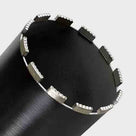
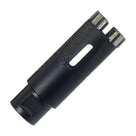
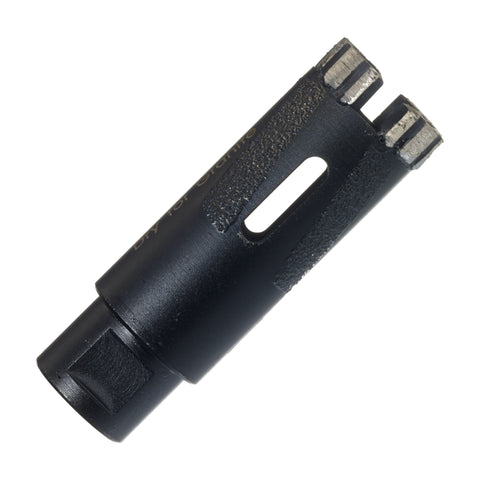
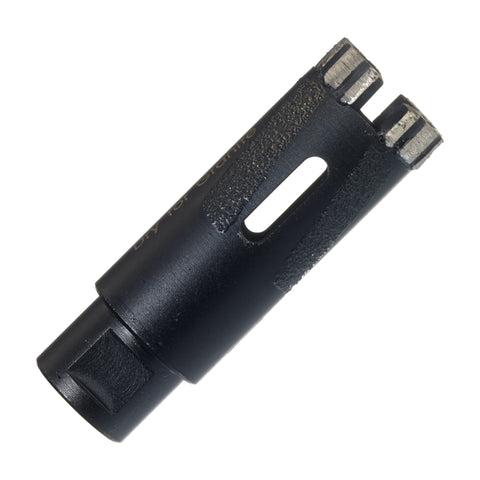
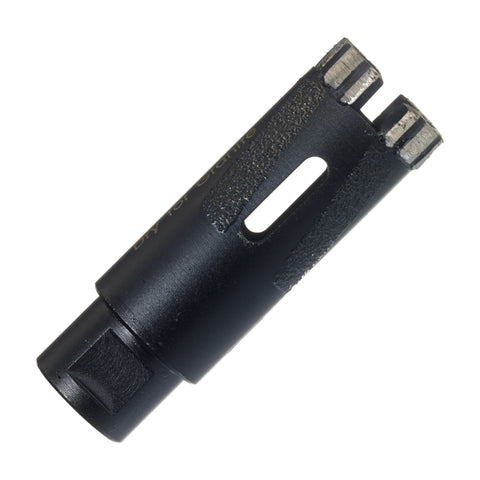
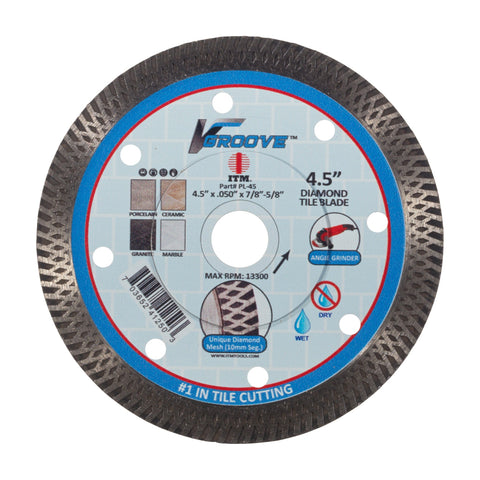
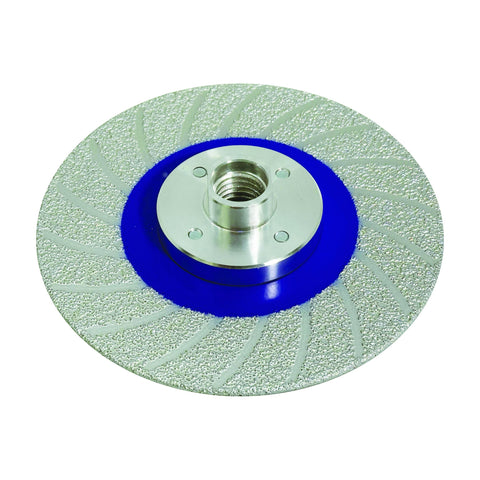
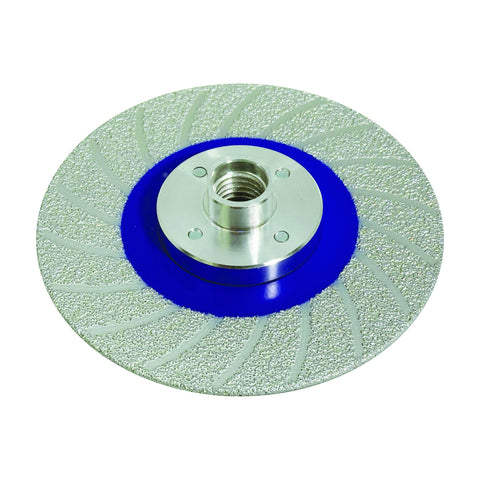
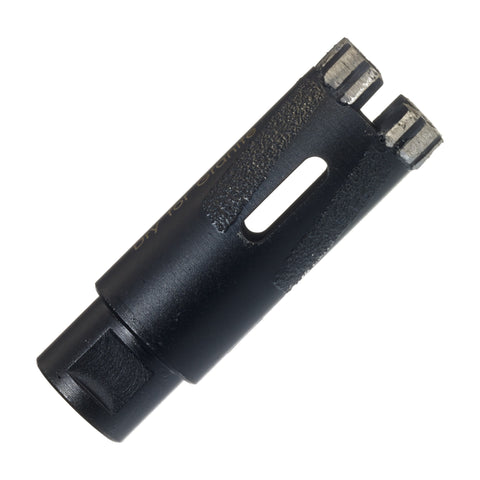
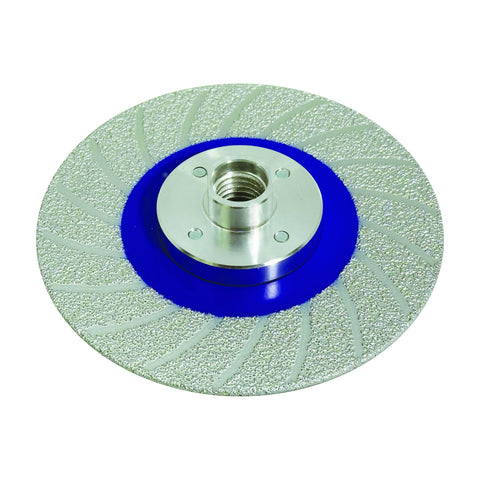
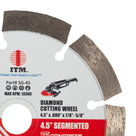
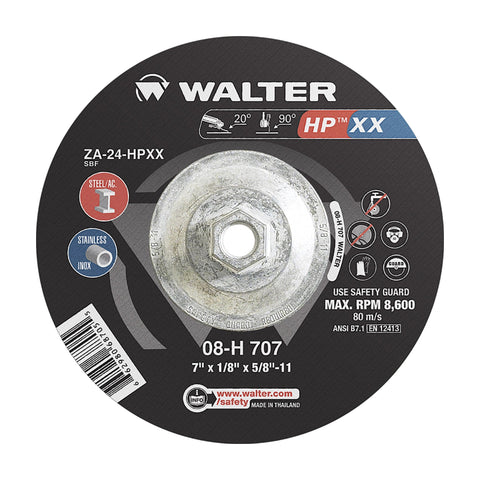
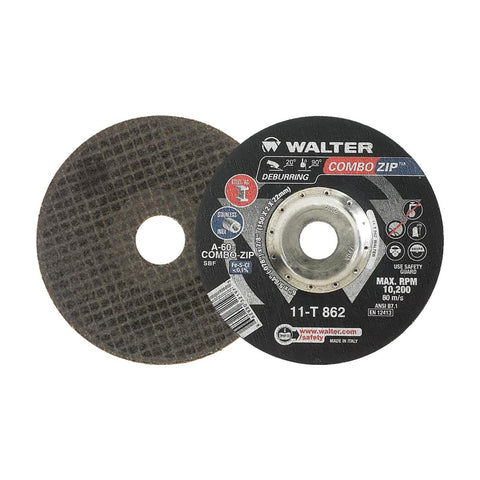
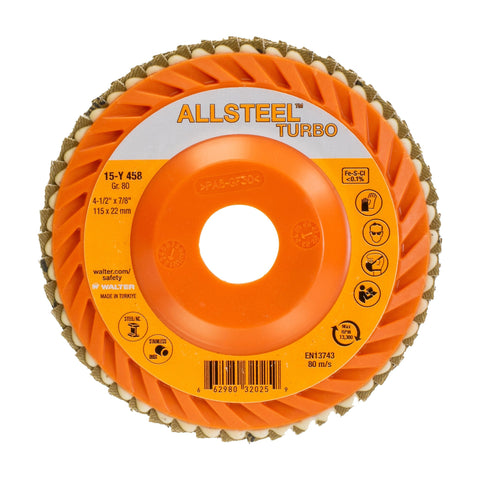
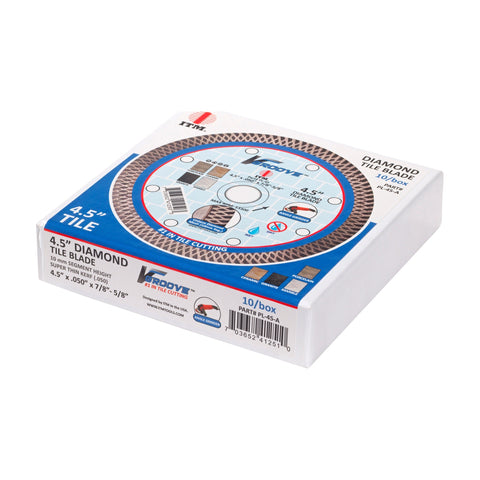
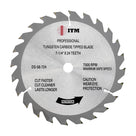
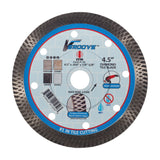
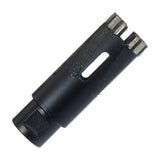
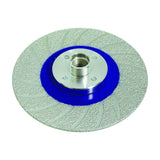
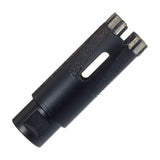
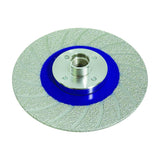
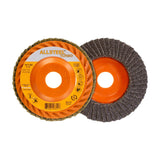
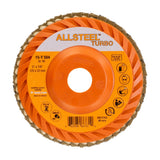
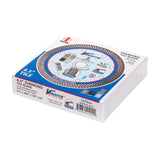
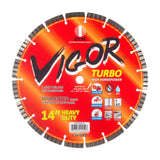
Porcelain and sintered stone are harder and more brittle than quartz. They need a thin-kerf diamond blade to avoid chipping. These are the diamond blades and discs we carry for that work.
Job |
Pick |
Runs in |
Cuts |
Price |
|---|---|---|---|---|
Field cuts, sink and outlet cutouts |
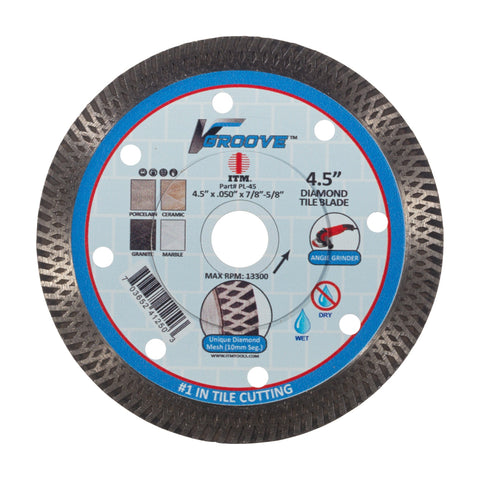
PL-45, 4-1/2 in. V-groove diamond tile blade, 0.050 in. kerf |
Angle grinder, 7/8 or 5/8 in. arbor |
Porcelain, ceramic, granite, marble; wet or dry |
$38.53 each (min. 1) |
Straight rips on a saw |
PL-10, 10 in. V-groove diamond tile blade, 0.063 in. kerf |
10 in. tile saw, 5/8 in. arbor |
Porcelain, ceramic, granite, marble; wet or dry |
$111.80 each (min. 1) |
Shaping and smoothing cut edges |
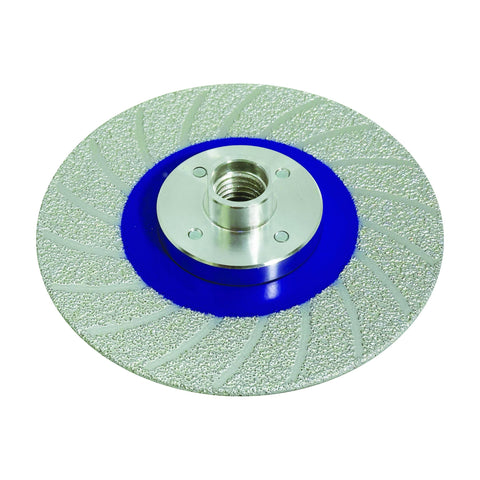
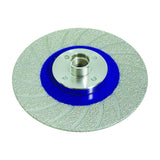
DDD-45, 4-1/2 in. double-sided diamond grinding and cutting disc; flip it when one side wears |
Angle grinder, 5/8-11 thread |
Porcelain and tile; wet or dry |
$36.30 each (min. 1) |
Store prices on Oct 10, 2026.
All three are rated wet or dry, but cut stone wet. Water keeps the dust down and is what California's silica rule requires. For faucet and fixture holes in porcelain and stone, see our guide on how to drill through tile and porcelain without cracking it, or shop all diamond blades.
Could the California quartz ban be stopped?
Yes, the California quartz ban could be challenged, and lawyers expect it to be. State law limits the Standards Board to rules that are economically and technologically feasible. Some lawyers argue that banning a product is a job for the Legislature, not the Board. The Board's own chair, Joseph Alioto Jr., has questioned moving fast without more feasibility study.
Manufacturers also oppose the ban. They argue quartz can be cut safely and that shops breaking the rules caused the outbreak. Cosentino, the maker of Silestone, called a ban to make up for failed enforcement "irresponsible." Health groups and the lawyers for sick workers say the opposite: that engineered stone cannot be cut safely at scale, even with strict controls.
Will other states ban quartz countertops?
Other states may follow California, but none has a ban in the works as of October 2026. Former OSHA head David Michaels, now at George Washington University, has predicted other states will copy Cal/OSHA. Federal OSHA has an enforcement program for engineered stone shops but no ban. Watch California's final rule: other states tend to copy its wording.
FAQ
Is quartz banned in California?
Not yet. A draft Cal/OSHA rule would ban cutting and fabricating engineered stone above 1% silica. The Standards Board meets on October 15, 2026.
Do I have to remove my quartz countertop?
No. The rule covers cutting slabs at work. An installed quartz countertop is safe to keep and use.
Is quartz the same as engineered stone?
Yes. "Quartz countertop" is the trade name for engineered stone: crushed quartz bound with resin and pigment. Natural quartzite is a different, natural stone.
Can I still buy a quartz countertop in California?
Stores can still sell slabs, but once the ban starts, California shops cannot cut them. Without a legal fabricator, a new quartz top becomes hard to get.
Is granite banned too?
No. Granite and other natural stone are not part of the ban. Shops must still cut them wet and use dust control under California's silica rule.
What is the 1% silica limit?
The draft bans engineered stone with more than 1% crystalline silica by weight. Slabs without proof of their silica content are treated as over the limit.
Did Australia ban quartz countertops?
Yes. Australia banned engineered stone on July 1, 2024, after a silicosis outbreak among stone workers.
Sources: California Department of Industrial Relations (news release 2026-45; Standards Board 2026 meeting schedule; Cal/OSHA silica-2026 rulemaking page), Occupational Health & Safety (Sept 28, 2026), Bloomberg Law (Oct 7, 2026), Public Health Watch (Sept 16, 2026), Stocktonia (June 1, 2026), manufacturer data sheets for silica content.
Change log: Oct 8, 2026 — first published ahead of the October 15 Standards Board meeting.