



































































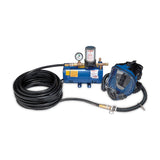

Walter
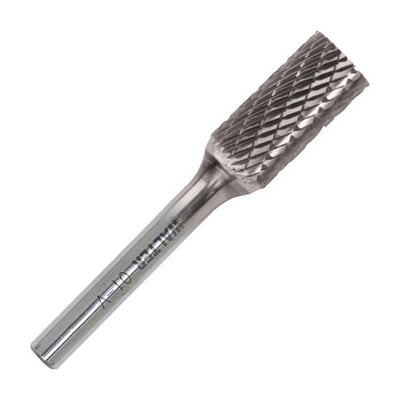
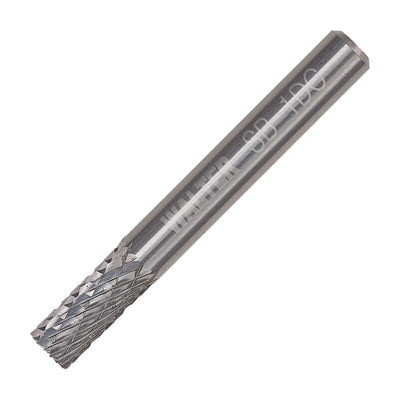
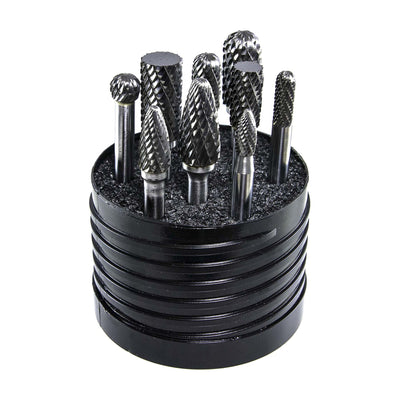
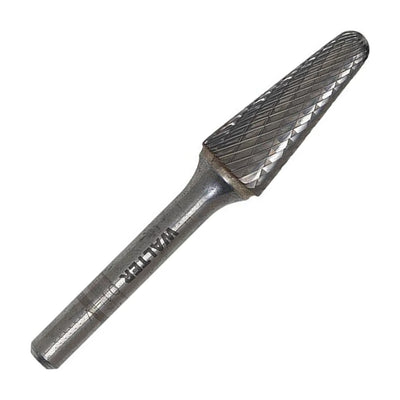
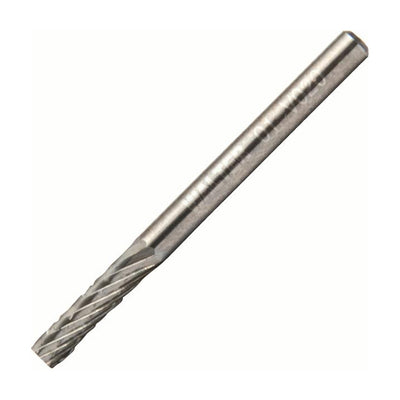
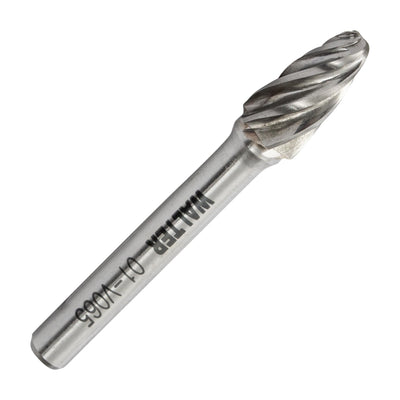
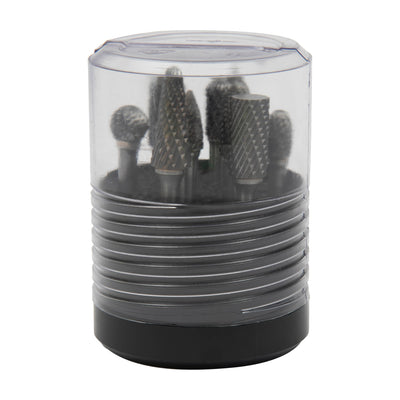
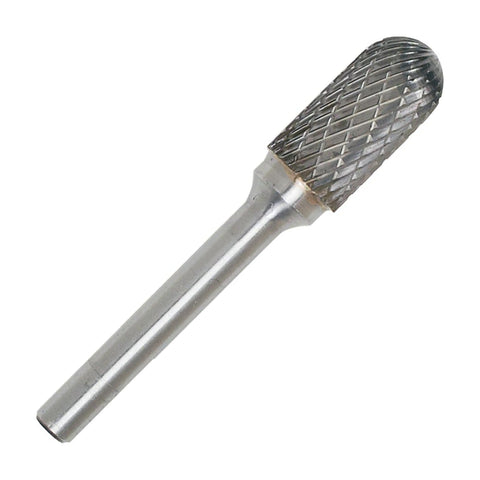
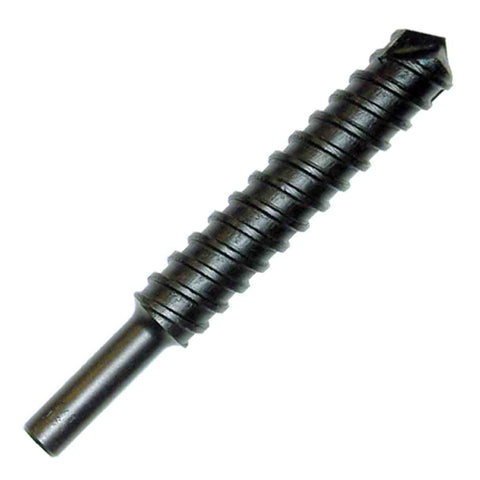
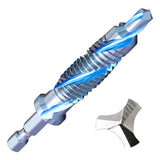
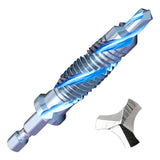
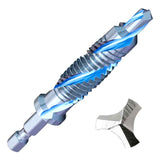
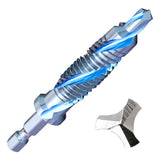
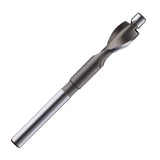
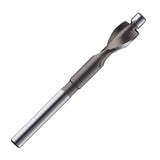
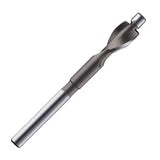
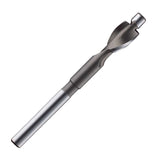
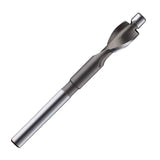
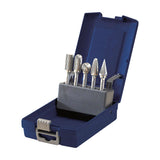
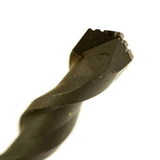
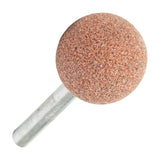
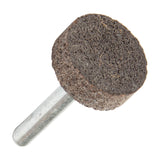
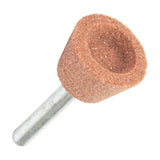
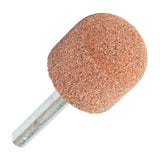
Drillco Carbide Burr Set No. 5, 10 Piece, 3/8" to 1/2" Burrs, 1/4" Shank, Single Cut70S005SC
$322.51/ea
In stockFree shipping over $200 · Supplying commercial contractors across the continental U.S.

Nothing in the menu matches that search. The search bar above looks through every product.
 Puertas de ducha
289
 Electricistas
302
 Climatización
363
 Plomería
341
 Metal Fabrication & Welding
1096
 Foundation & Basement Repair
653
 Data Center Construction
1050
 Automotive & Collision Repair
1186
289 tools across 10 categories
302 tools across 15 categories
 Bellhangers y ejercicios flexibles
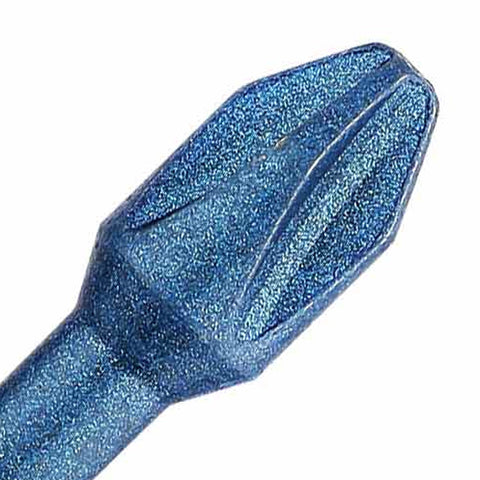 Consejos de bits
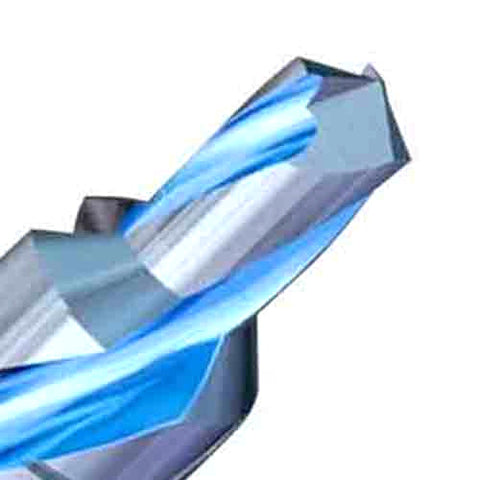 Machos de roscar combinados
 Ejercicios básicos
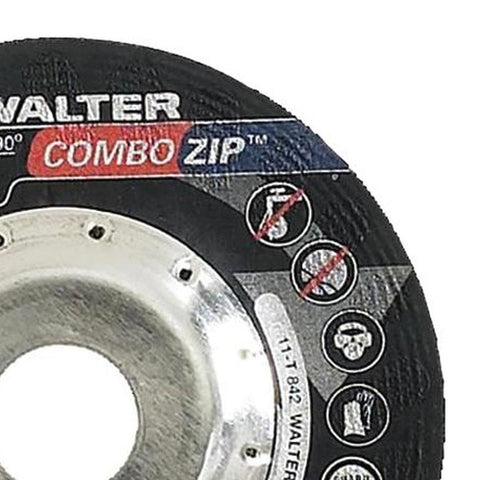 Cut-Off Wheels
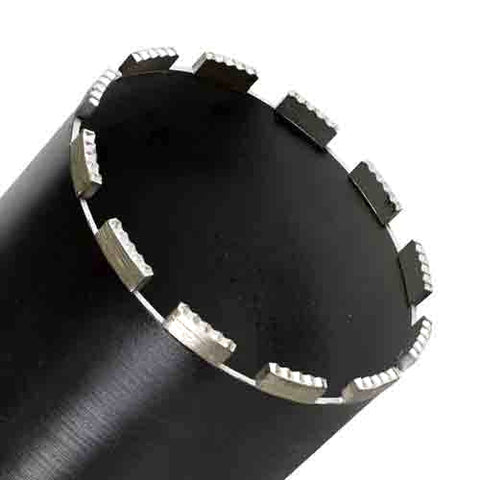
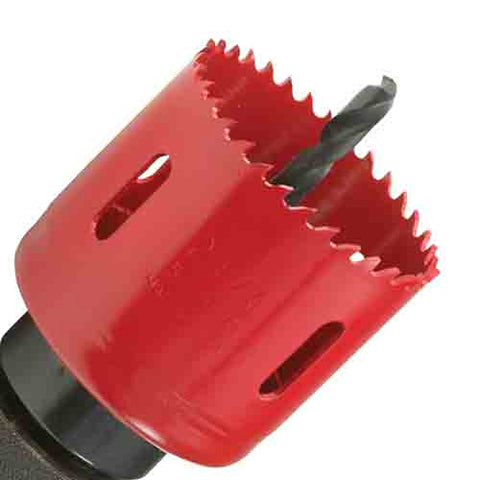 Sierras de corona
 Aprieta tuercas magnético
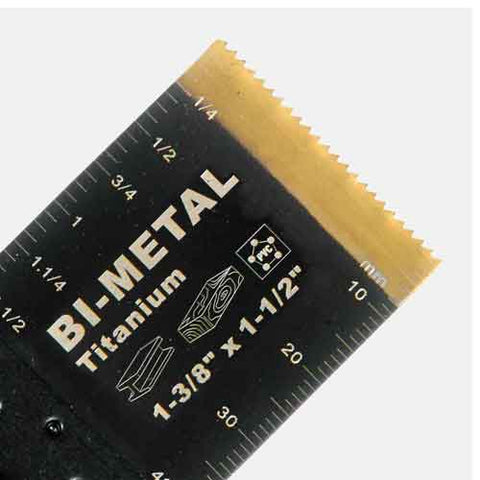 Cuchillas oscilantes
 Escariadores
 Sierras recíprocas
+ 5 more — see the full Electricistas list
363 tools across 10 categories
341 tools across 17 categories
Ejercicios de campana y flexión
Consejos de bits
 Portapuntas
Ejercicios básicos
 Avellanadores
Cut-Off Wheels
 Brocas de alta velocidad
Sierras de corona
Aprieta tuercas magnético
 Taladros para albañilería
+ 7 more — see the full Plomería list
1096 tools across 10 categories
653 tools across 7 categories
1050 tools across 8 categories
1186 tools across 8 categories
 Diamond Blades: Segmented, Turbo, Continuous Rim, Which SawGuide · Glass & Shower
 SDS Plus vs SDS Max: Which Shank for the JobGuide · Glass & Shower
Diamond Blades: Segmented, Turbo, Continuous Rim, Which SawGuide · Electrical
 Cut Off Wheels: .045 vs 1/16 vs 1/8, and Stainless-SafeGuide · Electrical
Cut Off Wheels: .045 vs 1/16 vs 1/8, and Stainless-SafeGuide · HVAC
 Which Grinding Wheel for Angle Grinder WorkGuide · HVAC
Diamond Blades: Segmented, Turbo, Continuous Rim, Which SawGuide · Plumbing
Cut Off Wheels: .045 vs 1/16 vs 1/8, and Stainless-SafeGuide · Plumbing
Cut Off Wheels: .045 vs 1/16 vs 1/8, and Stainless-SafeGuide · Metal Fabrication
 Flap Disc vs Grinding Wheel on a WeldGuide · Metal Fabrication
 Brocas de alta velocidad
1596
 Long Drill Bits
499
 Ejercicios de campana y flexión
101
 Carbide Burrs
107
 Machos de roscar combinados
10
 Avellanadores
46
 Avellanadores
38
 Fresas de extremo
103
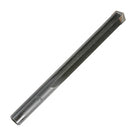 Hard Steel Drill Bits
14
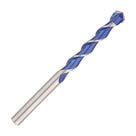 Multi-Purpose Drill Bits
15
 Escariadores
52
 Screw Extractors
11
 Brocas para barrena de barco
60
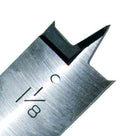 Brocas de pala
61
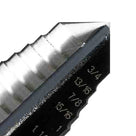 Ejercicios escalonados
20
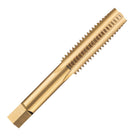 Taps & Dies
162
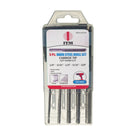 Sets & Kits
63
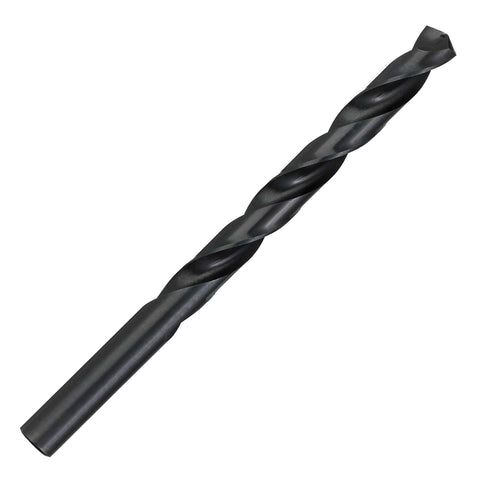 Jobber Length895 products
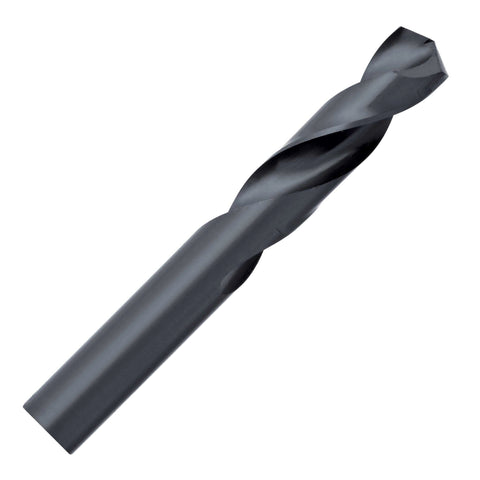 Stubby / Mechanics Length275 products
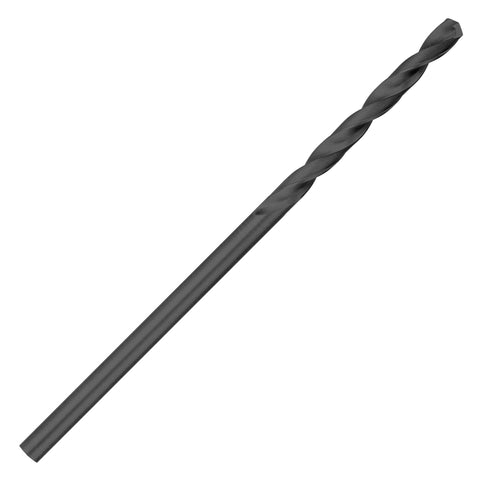 Aircraft Extension (6" & 12")253 products
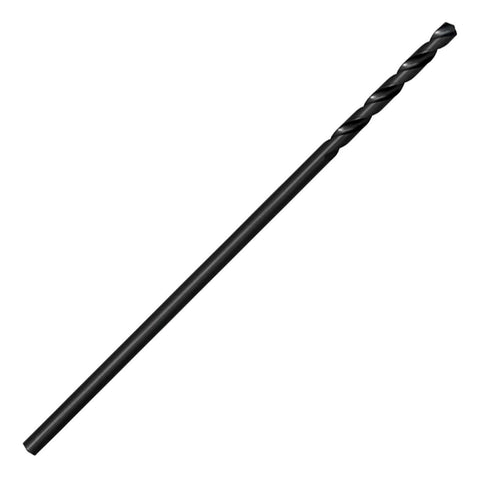 Extra Length (18" and up)59 products
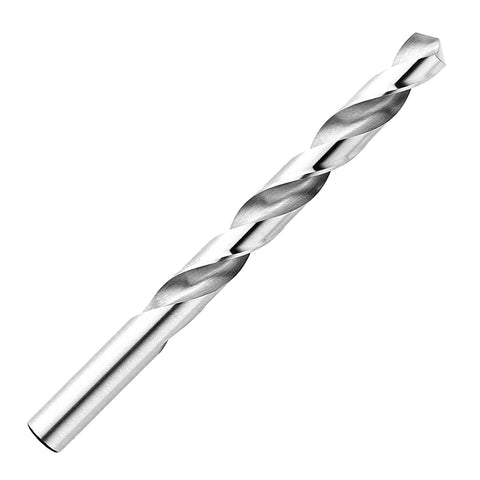
 Silver & Deming (1/2" shank)76 products
 Metric32 products
 Sets6 products
Extra Length (18" and up)59 products
Aircraft Extension (6" & 12")253 products
Bellhanger & Flex Drills101 products
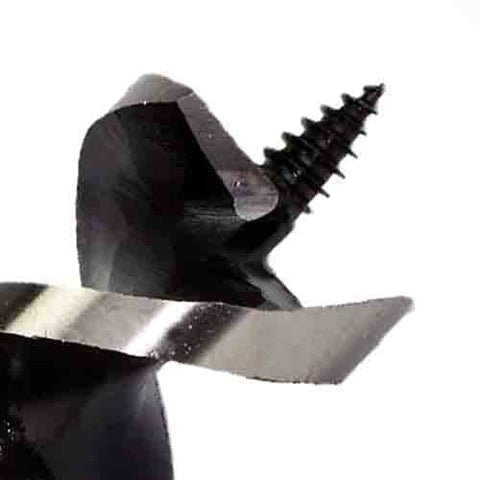 Ship Auger Drill Bits60 products
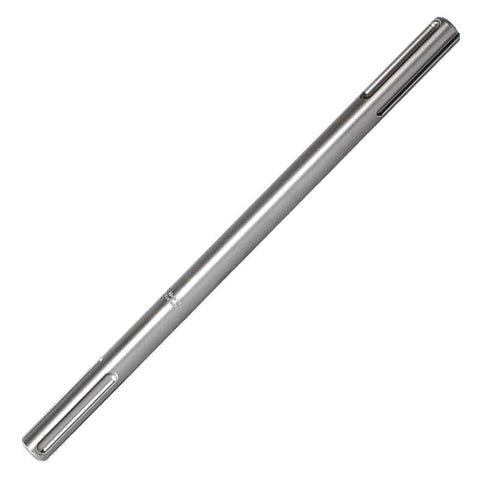 SDS-Max Extensions8 products
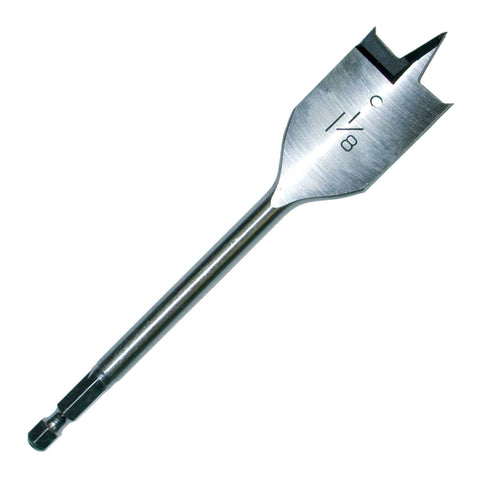 Long 16" Spade Bits18 products
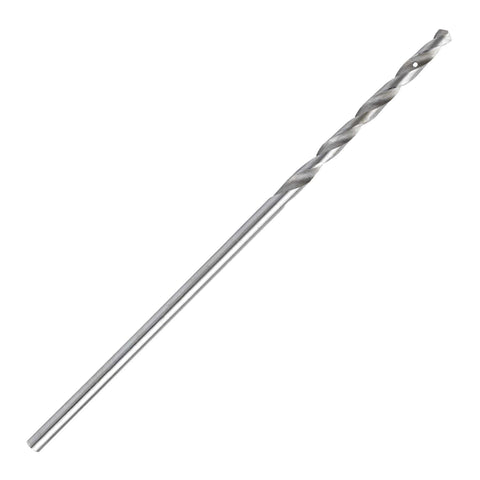 HSS Bellhangers40 products
 Carbide Tipped Bellhangers17 products
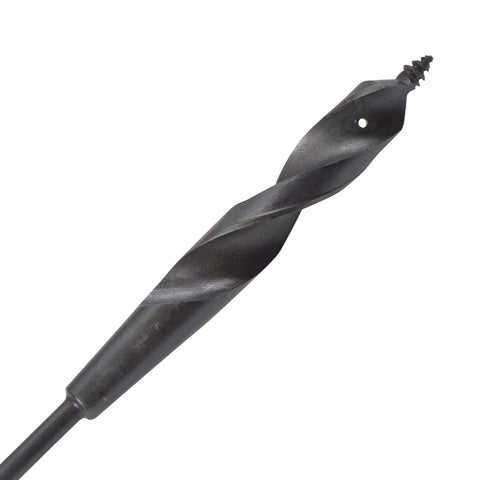 Electrician's Flex Bits8 products
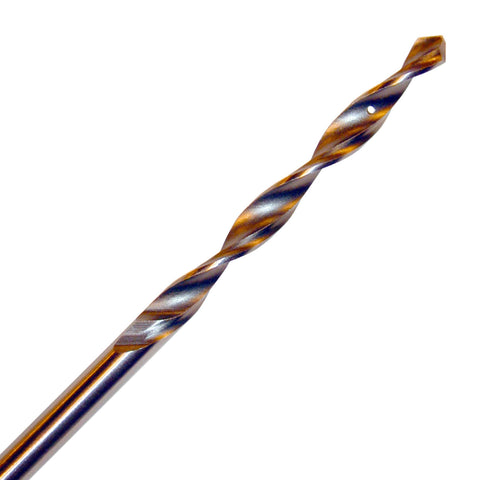 Carbon Steel Bellhangers24 products
 Flex Auger Bits12 products
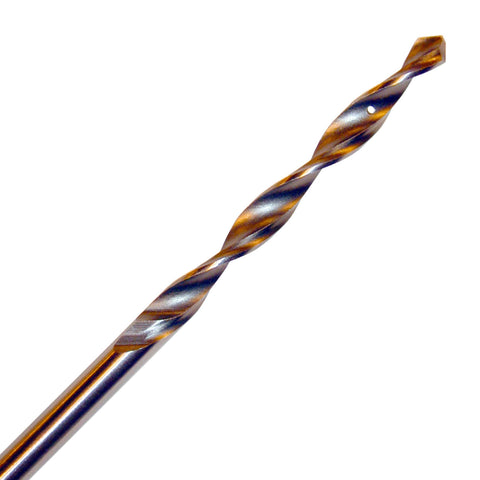 Perno de campana de vástago rígido de acero de alta velocidad de 5/16" x 12"
Broca flexible de 3/8" x 24" con punta de tornillo (con vástago de 3/16")
 Perno de campana HSS de 3/4" x 18" (con vástago de 1/2")
 Perno de campana de vástago rígido de acero de alta velocidad de 3/16" x 18"
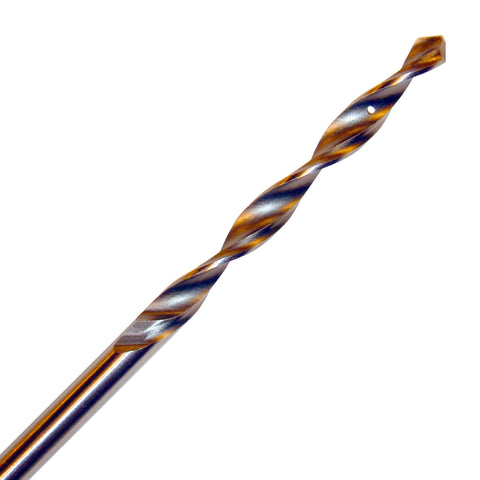 Perno de campana de vástago rígido de acero de alta velocidad de 5/8" x 24"
 Percha para campana con vástago rígido y punta de carburo de 5/8" x 18"
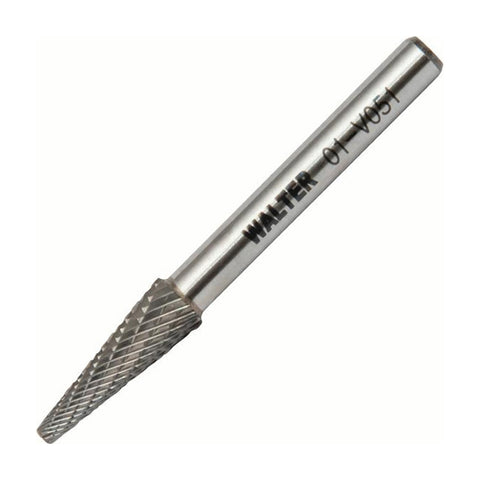 Double Cut49 products
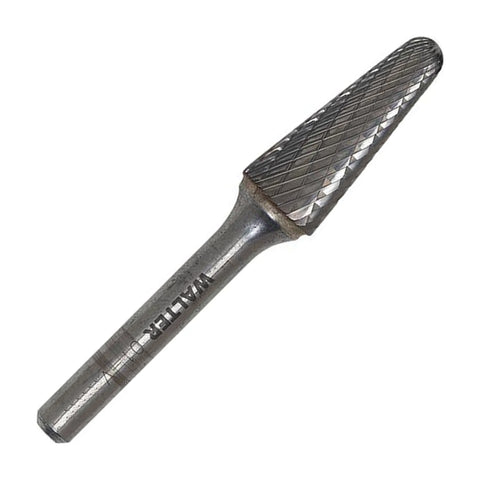 6" Long Shank17 products
 Miniature (1/8" Shank)6 products
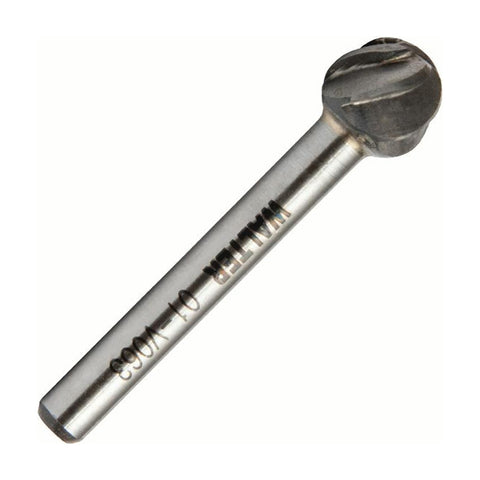 Aluminum & Non-Ferrous12 products
 Hard Alloy3 products
 Sets19 products
 Point Grinders1 product
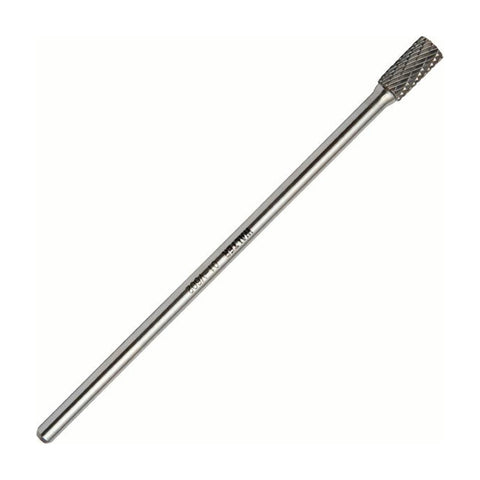 3/8" x 3/4" SC-3 Cylindrical Ball Nose Carbide Burr, Double Cut, 6" Long
 1/4" x 1/2" SM-1 Conical Carbide Burr, Double Cut
 1/4" x 5/8" SC-1 Cylindrical Ball Nose Carbide Burr, Aluminum Cut
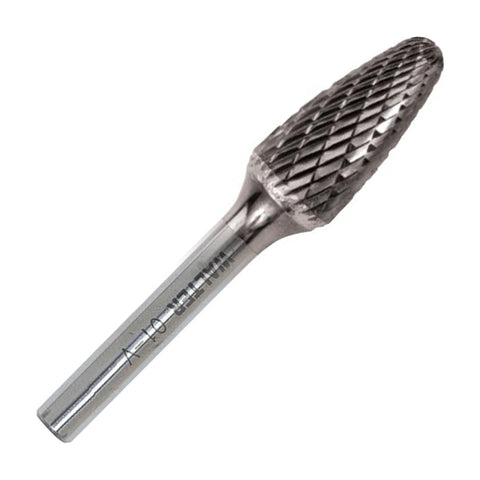 1/2" x 1" SF-5 Round Nose Tree Carbide Burr, Double Cut, 6" Long
 Drillco Carbide Burr Set No. 2, 8 Piece, 3/8" Burrs, 1/4" Shank, Single Cut
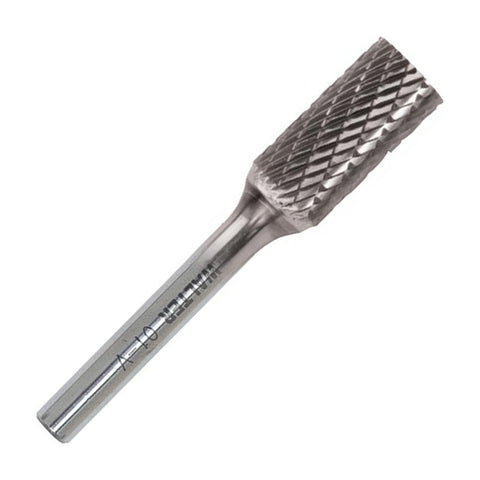 5/16" x 3/4" SA-2 Cylindrical Carbide Burr, Double Cut
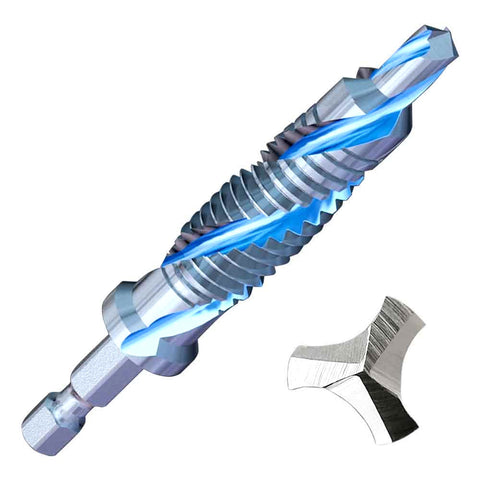 Macho de roscar de combinación HD 6-32
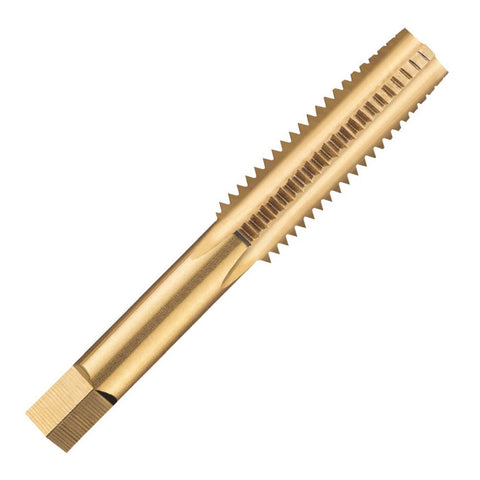
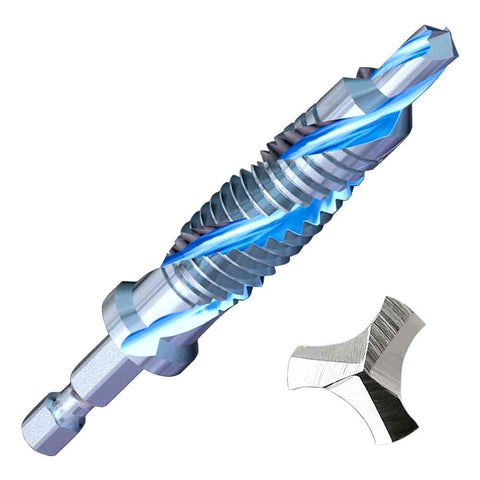
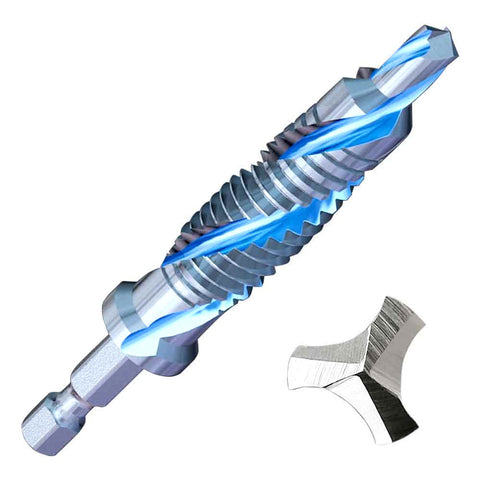 Macho de roscar combinado de alta definición de 1/4”-20
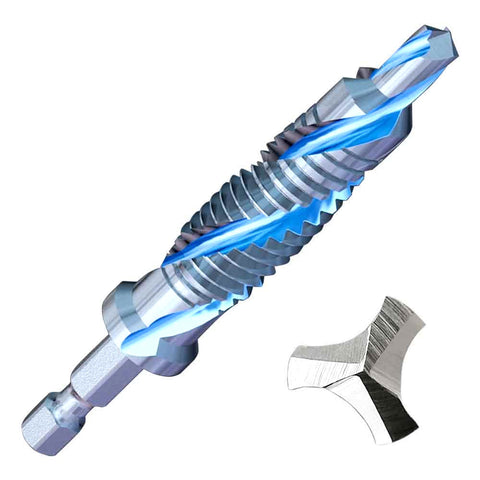 Macho de roscar de combinación HD 10-24
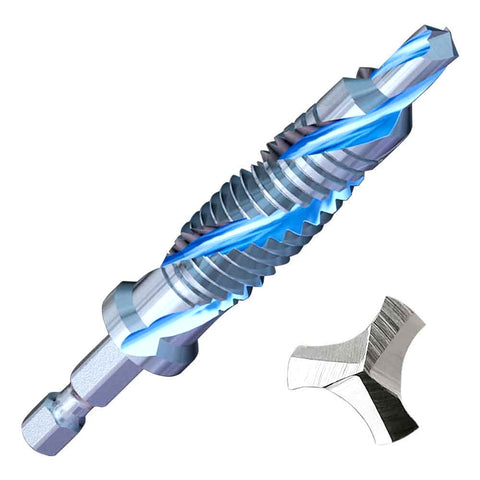 Macho de roscar de combinación HD 12-24
 Macho de roscar combinado de alta definición de 5/16”-18
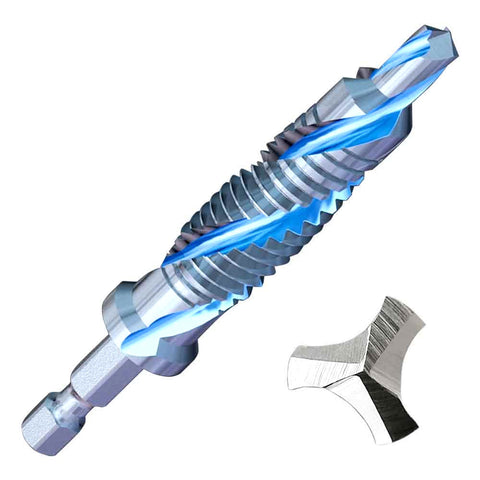 Macho de roscar de combinación HD 8-32
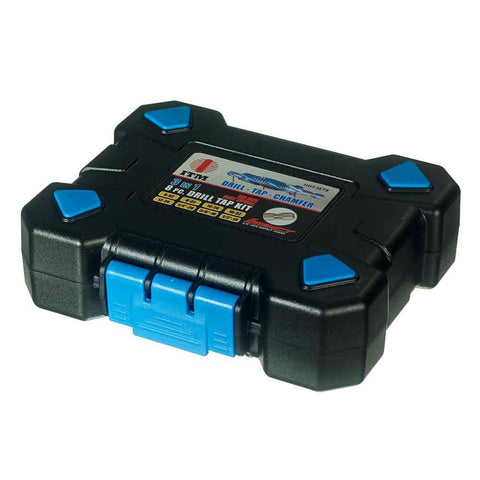 Kit de 8 machos de roscar para taladro de alta definición 3 en 1
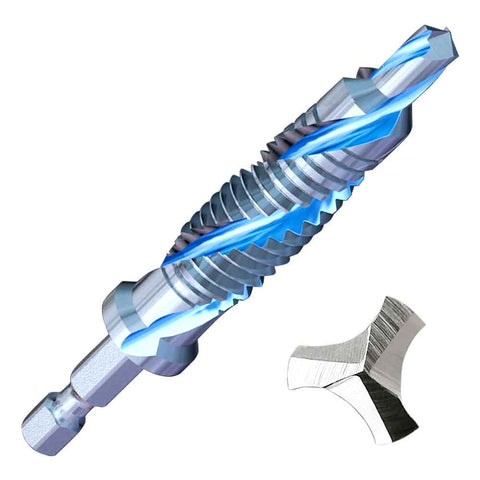 Macho de roscar de combinación HD 10-32
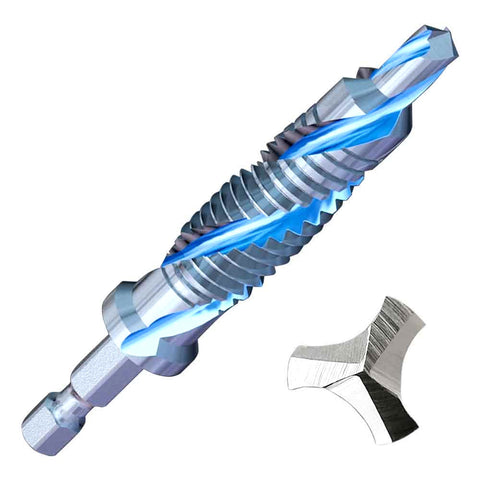 Macho de roscar combinado de alta definición de 1/2”-13
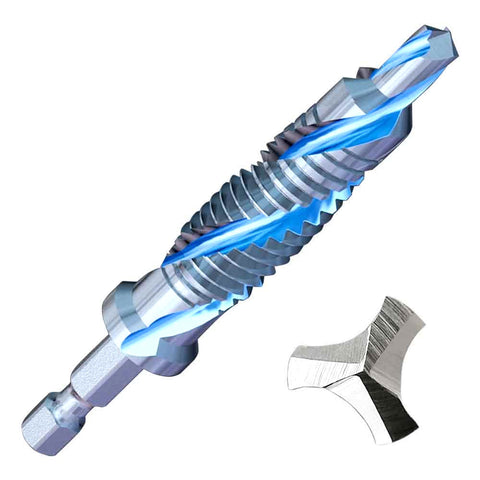 Macho de roscar combinado de alta definición de 3/8”-16
 Herramienta desbarbadora de 90º: 1-1/16" a 2" (1 pieza)
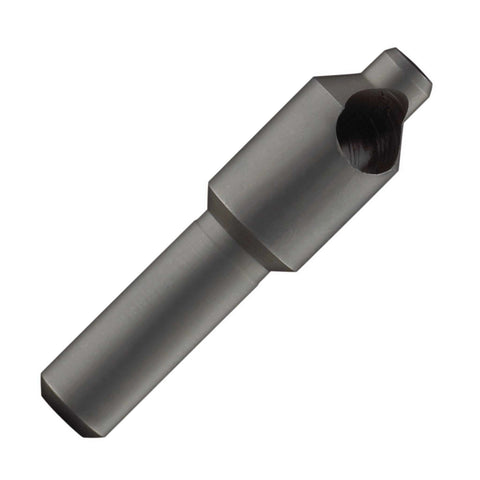 Avellanador 82º - Tamaño de tornillo 1/4" (10 uds.)
 Herramienta desbarbadora de 60º: 3/16" a 13/32" (10 piezas)
 Avellanador sin punta 82º - .307 a 25/32" (5 piezas)
 Avellanador de 82º - Tamaño de tornillo de 5/16" (10 piezas)
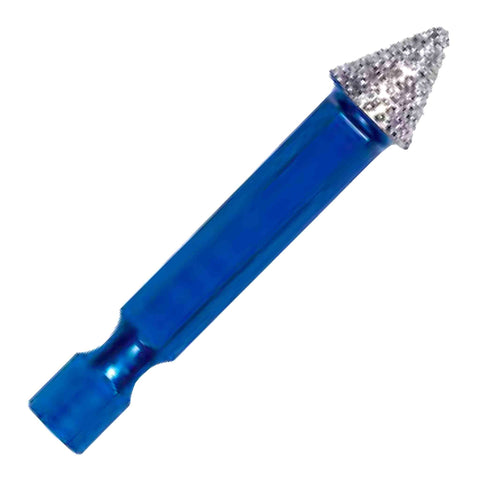 Diamond Countersink for 3/16“ & 1/4" Holes
 Avellanador para tornillo de 7/16" - piloto de 29/64"
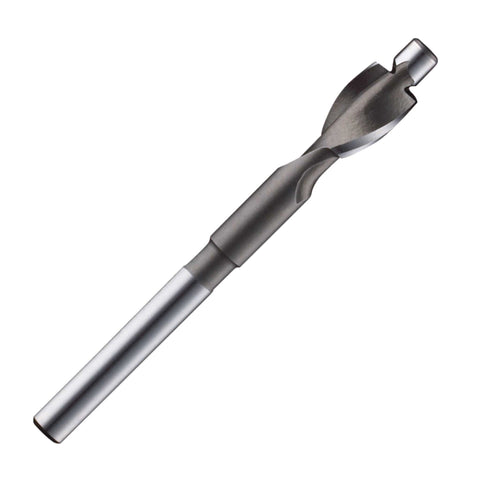 Avellanador para tornillo de 7/16" - piloto de 17/32"
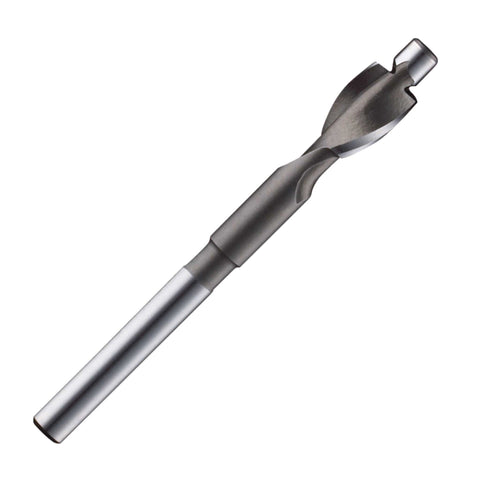 Avellanador para tornillo de 5/16" - piloto de 11/32"
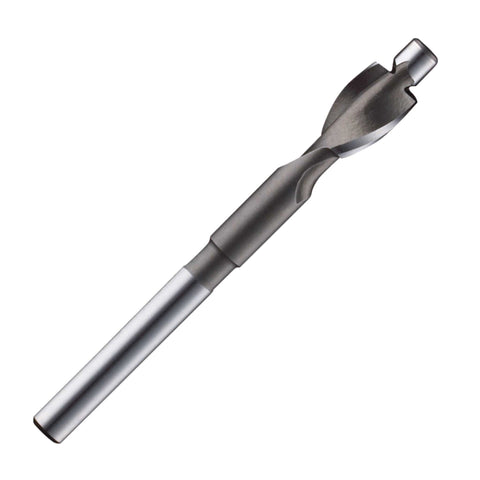 Avellanador para tornillo de 5/16" - piloto de 21/64"
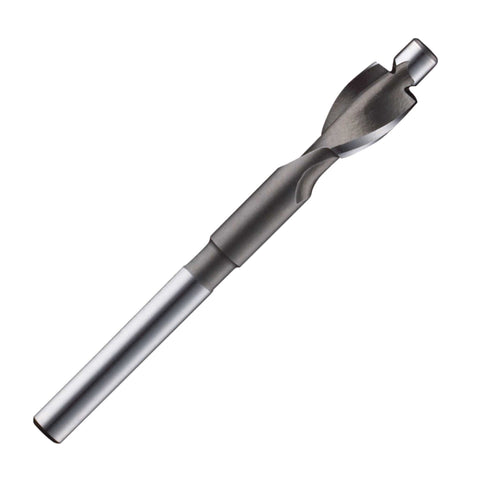 Avellanador para tornillo n.° 6 - piloto .136
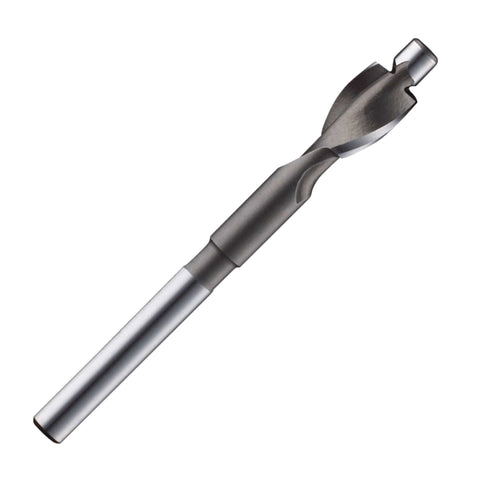 Avellanador para tornillo de 5/16" - Piloto de 5/16"
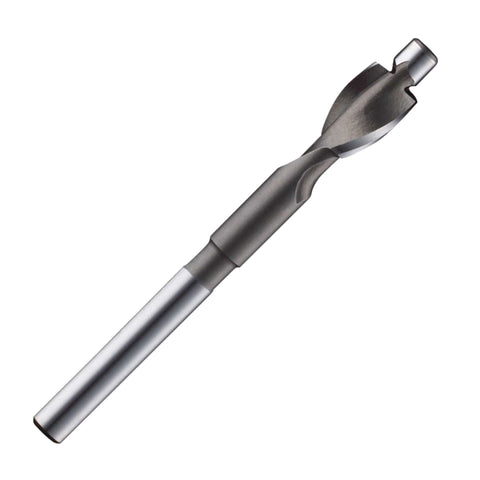 Avellanador para tornillo de 3/8" - piloto de 25/64"
 Avellanador para tornillo n.° 4 - piloto de 0,125
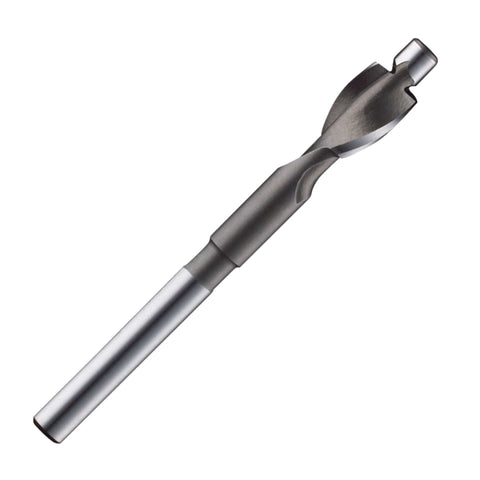 Avellanador para tornillo de 1/4" - piloto de 17/64"
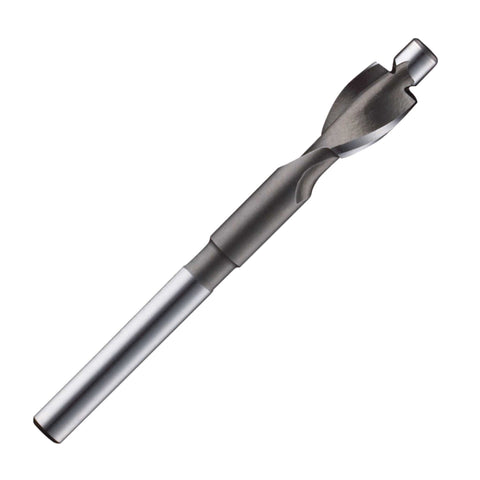 Avellanador para tornillo n.° 6 - piloto de 0,150
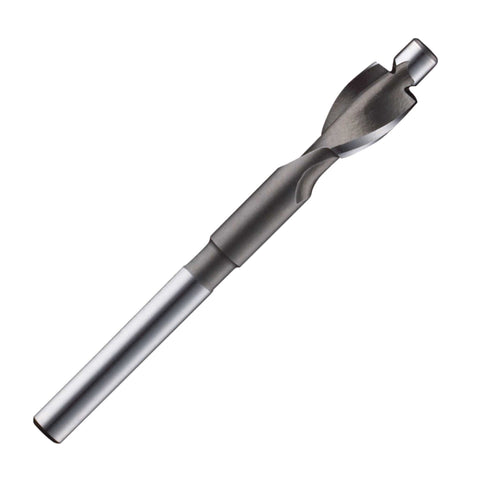 Avellanador para tornillo de 7/16" - piloto de 29/64"
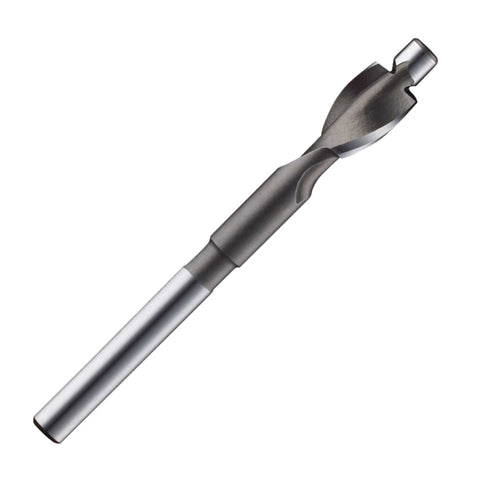 Avellanador para tornillo de 7/16" - piloto de 11/16"
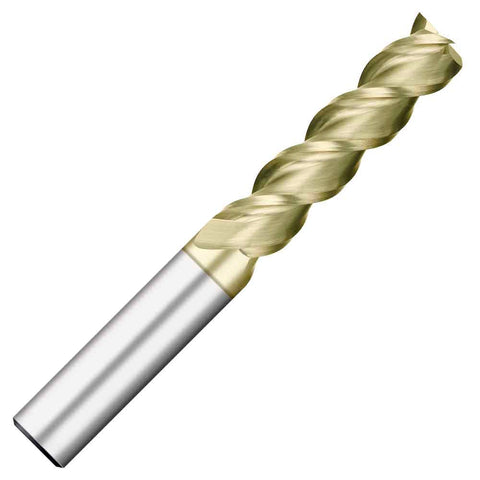 Fresa de extremo de carburo de aluminio de 3 ranuras cuadradas de 1/8" x 1-1/2"
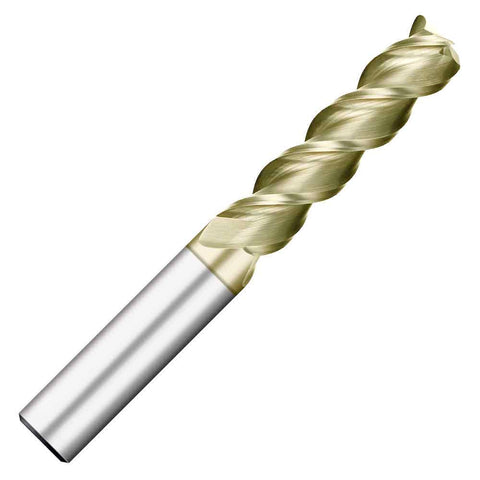 Fresa de extremo de aluminio de 3 ranuras, 3/8" x 2-1/2", 0,020r
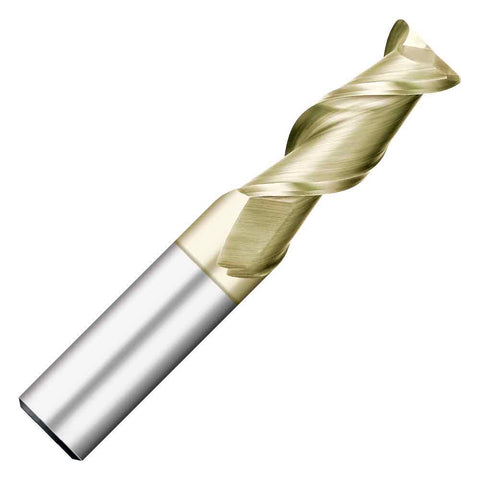 Fresa de extremo de aluminio de 2 ranuras, 1/8" x 1-1/2", 0,010r
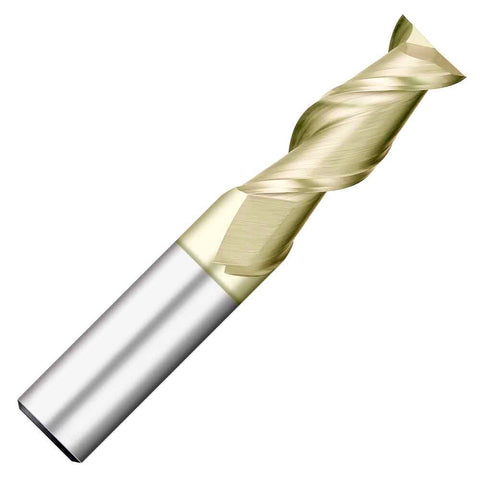 Fresa de extremo de aluminio cuadrada de 2 flautas de 1" x 5"
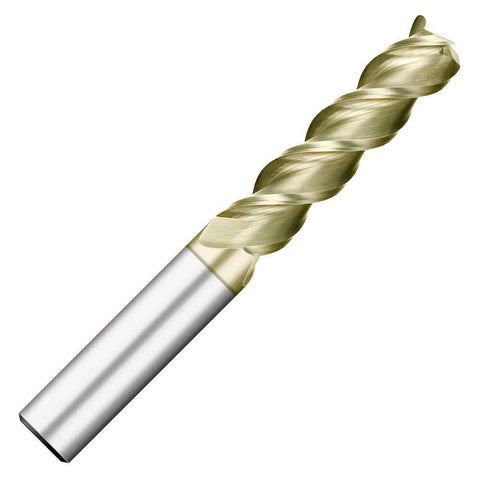 Fresa de extremo de aluminio de 3 ranuras, 5/8" x 3", 0,040r
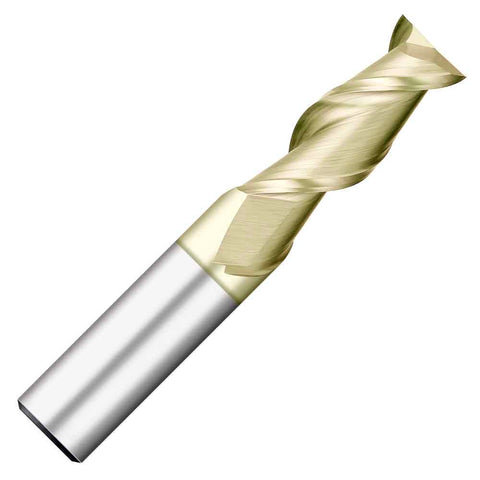 Fresa de extremo de aluminio cuadrada de 2 flautas de 1" x 4"
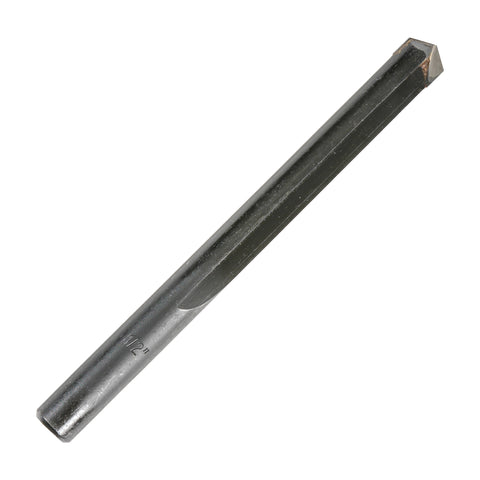 3/16" x 3" Left Hand Hard Steel Drill Bit, Carbide Tip
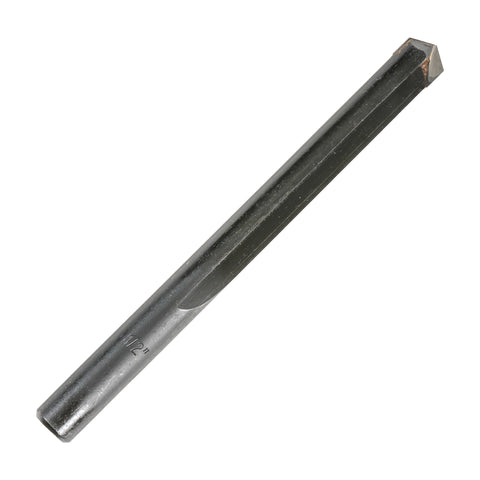 1/4" x 4" Left Hand Hard Steel Drill Bit, Carbide Tip
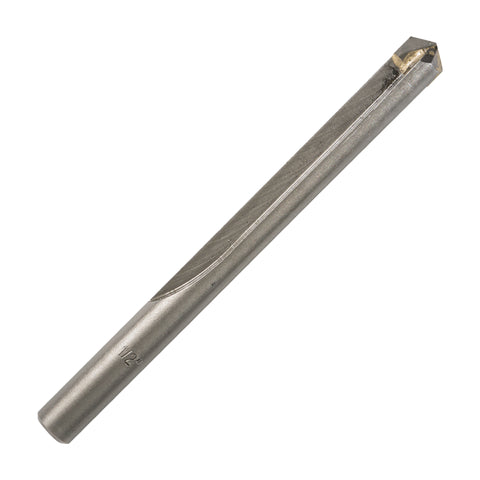 1/2" x 6" Right Hand Hard Steel Drill Bit, Carbide Tip
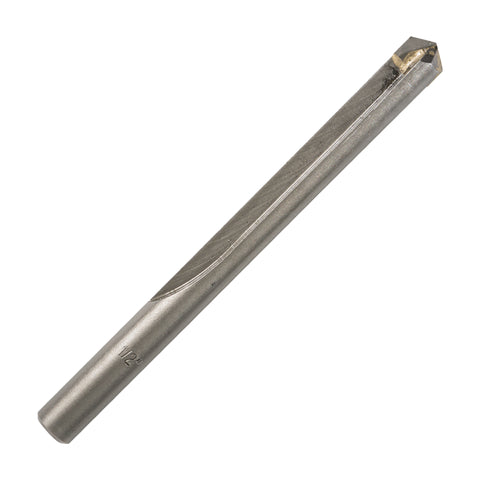 1/8" x 3" Right Hand Hard Steel Drill Bit, Carbide Tip
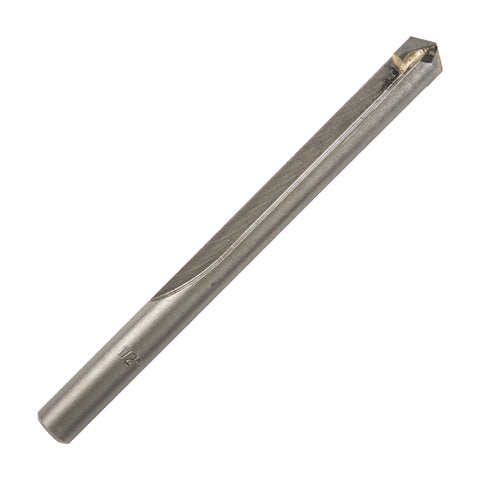 5/16" x 4" Right Hand Hard Steel Drill Bit, Carbide Tip
 3/8" x 6" Left Hand Hard Steel Drill Bit, Carbide Tip
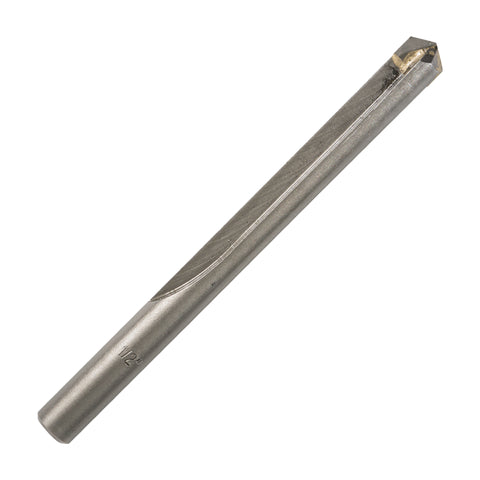 3/8" x 6" Right Hand Hard Steel Drill Bit, Carbide Tip
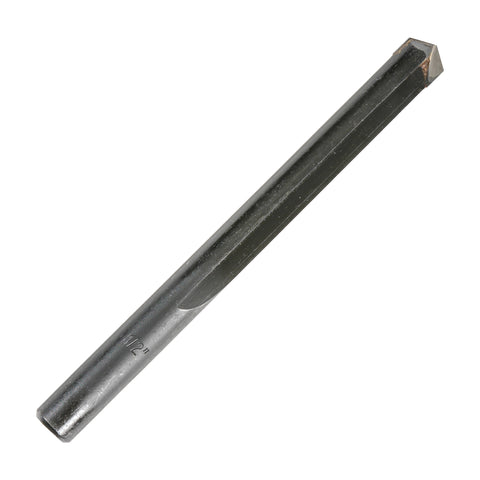 1/8" x 3" Left Hand Hard Steel Drill Bit, Carbide Tip
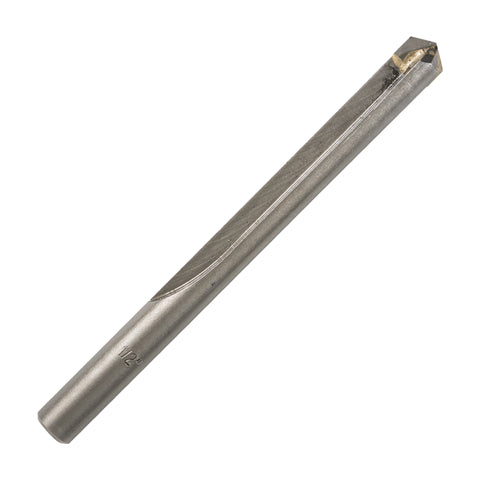 1/4" x 4" Right Hand Hard Steel Drill Bit, Carbide Tip
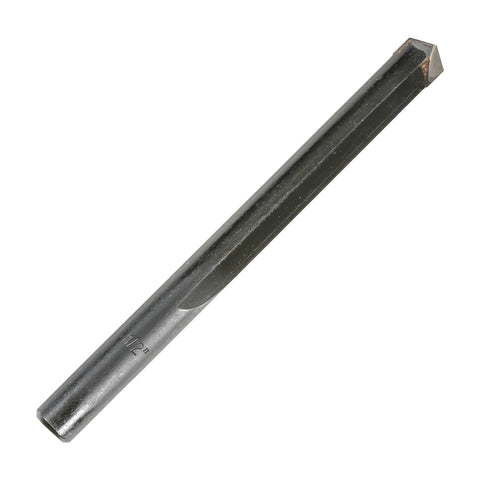 5/16" x 4" Left Hand Hard Steel Drill Bit, Carbide Tip
 5-Piece Left Hand Hard Steel Drill Bit Set, Carbide Tip, 1/8" to 3/8"
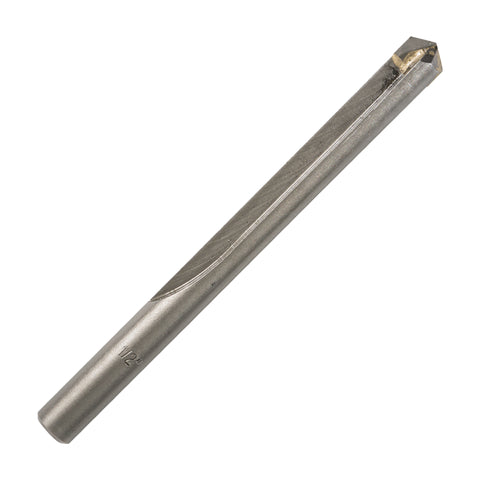 5-Piece Right Hand Hard Steel Drill Bit Set, Carbide Tip, 1/8" to 3/8"
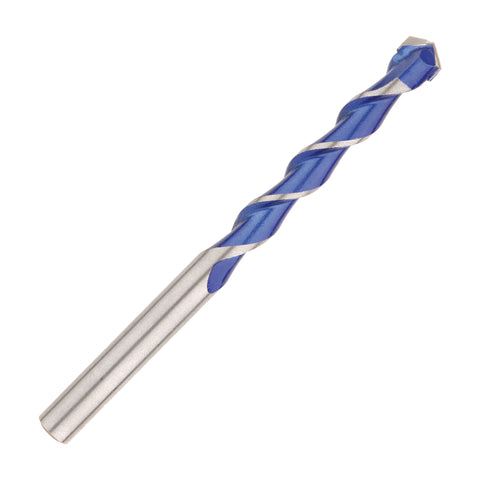 3/16" x 3-1/2" Multi-Purpose Carbide Tip Drill Bit
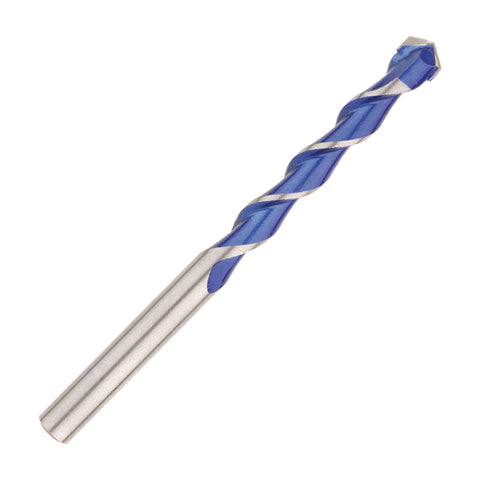 3/16" x 6" Multi-Purpose Carbide Tip Drill Bit
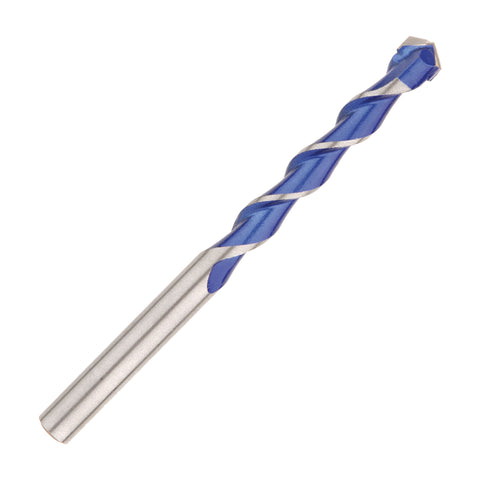 1/4" x 4" Multi-Purpose Carbide Tip Drill Bit
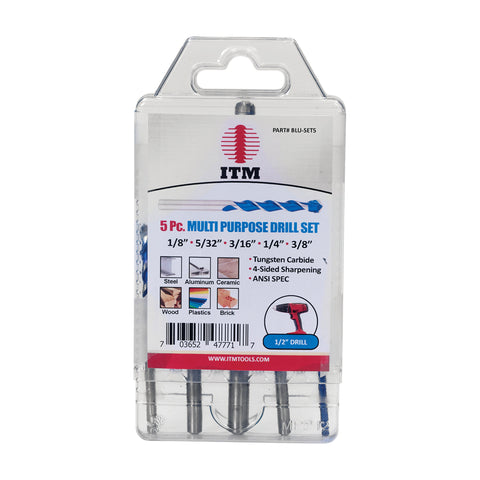 5-Piece Multi-Purpose Carbide Tip Drill Bit Set, 1/8" to 3/8"
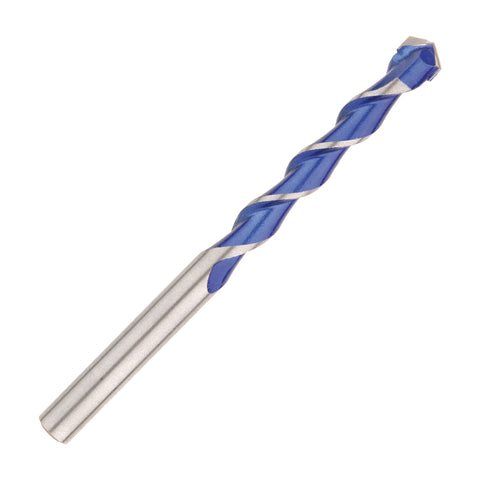 5/32" x 3" Multi-Purpose Carbide Tip Drill Bit
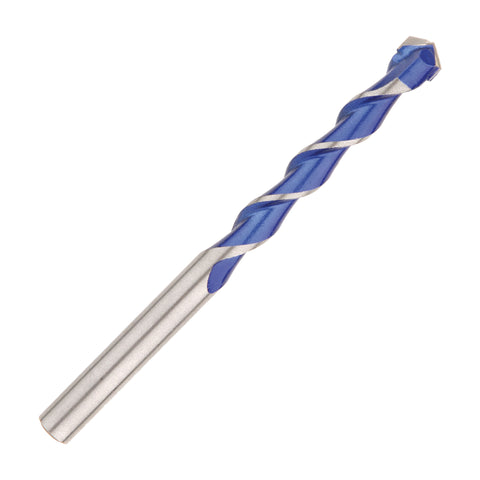 1/8" x 2-1/2" Multi-Purpose Carbide Tip Drill Bit
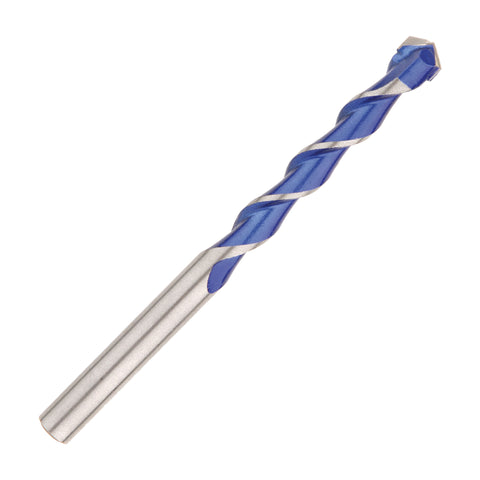 5/16" x 4" Multi-Purpose Carbide Tip Drill Bit
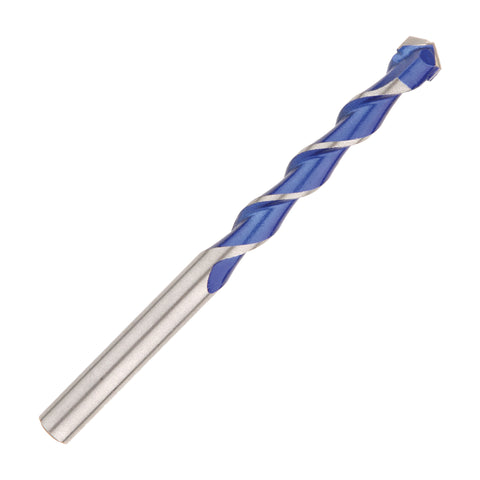 3/8" x 4-1/2" Multi-Purpose Carbide Tip Drill Bit
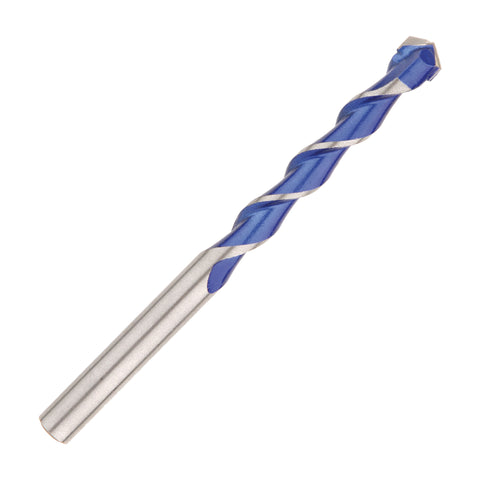 1/2" x 6" Multi-Purpose Carbide Tip Drill Bit
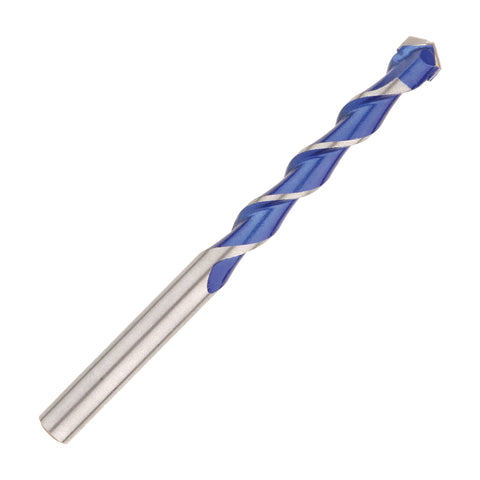 3/8" x 12" Multi-Purpose Carbide Tip Drill Bit
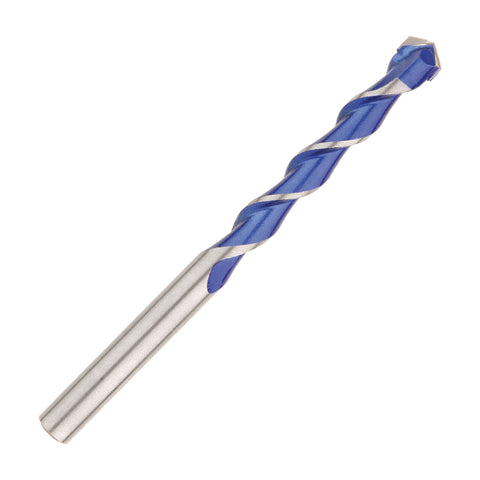 1/2" x 12" Multi-Purpose Carbide Tip Drill Bit
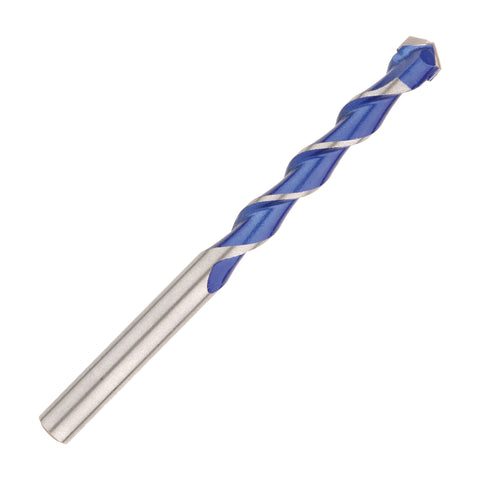 1/4" x 10" Multi-Purpose Carbide Tip Drill Bit
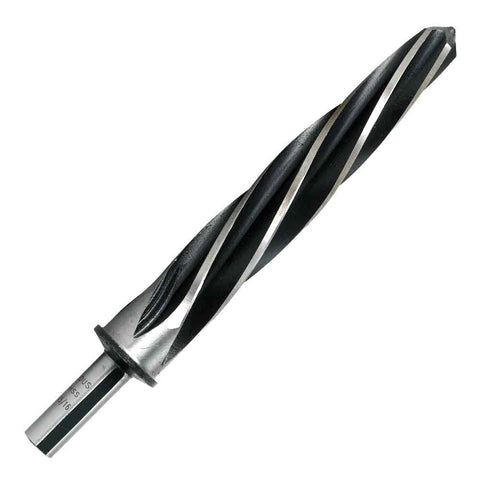 Escariador para automóviles de 9/16" - Vástago de 1/2" - M2 HSS
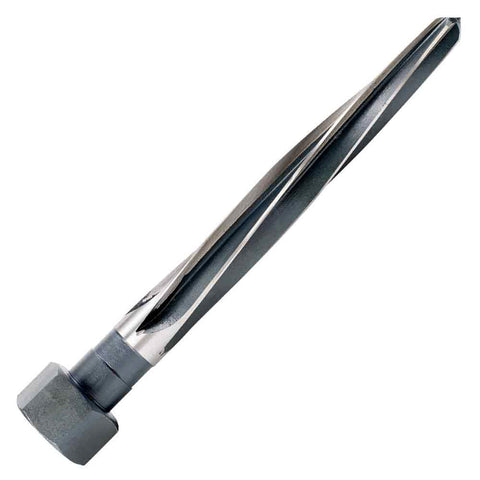 Escariador de puente hexagonal de 11/16"
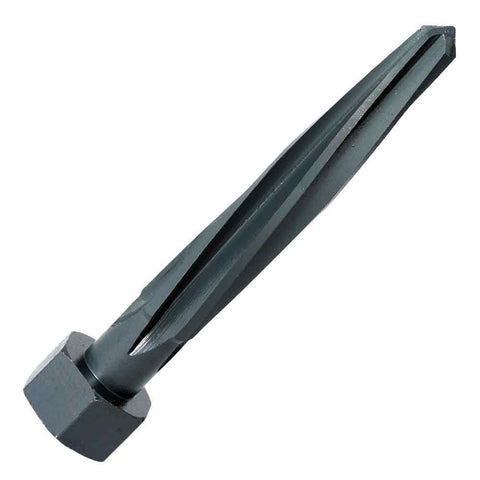 Escariador hexagonal para automóvil de 13/16"
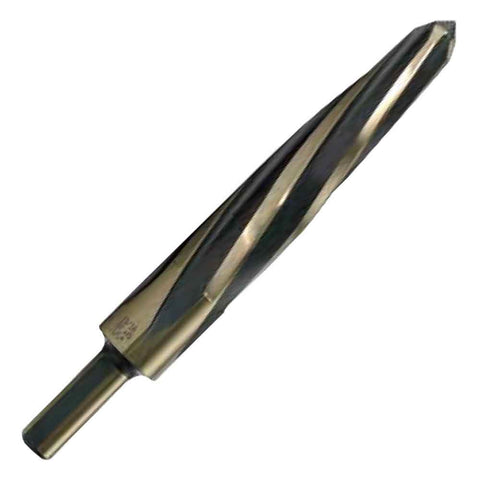 Escariador de automóviles de 1" (EE. UU.)
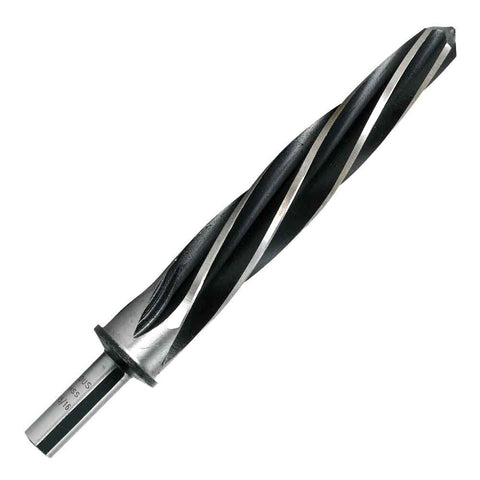 Escariador para automóviles de 3/8" - Vástago de 3/8" - M2 HSS
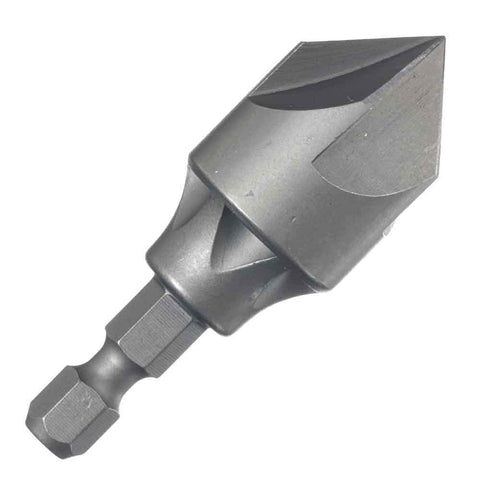 Escariador de borde interior de 3/16” a 7/8” - 90º - M2 HSS
 #3 Screw Extractor for 7/32" to 9/32" Screws, Square Shank
 #8 Screw Extractor for 1-1/8" to 1-3/8" Screws, Square Shank
 10 Piece Screw Extractor and Drill Set, #1 to #5 with Drills, Metal Case
 #5 Screw Extractor for 3/8" to 5/8" Screws, Square Shank
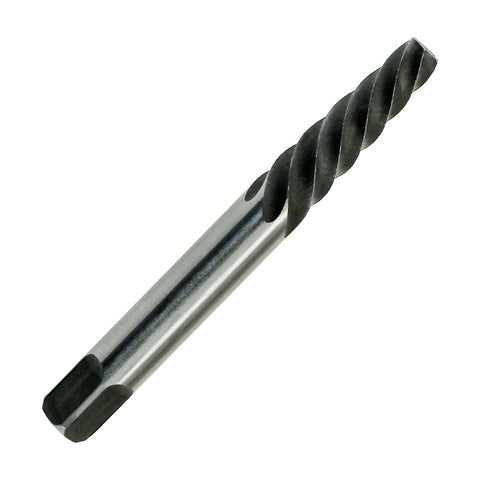 #9 Screw Extractor for 1-3/8" and up Screws, Square Shank
 #6 Screw Extractor for 5/8" to 7/8" Screws, Square Shank
 #7 Screw Extractor for 7/8" to 1-1/8" Screws, Square Shank
 #4 Screw Extractor for 9/32" to 3/8" Screws, Square Shank
 #1 Screw Extractor for 3/32" to 5/32" Screws, Square Shank
 #2 Screw Extractor for 5/32" to 7/32" Screws, Square Shank
 5 Piece Screw Extractor Set, #1 to #5, Plastic Case
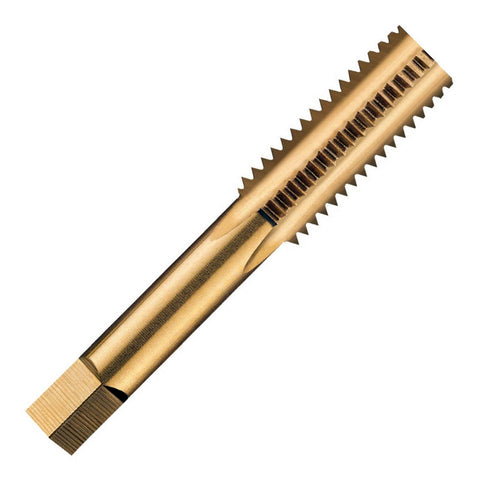 Fractional Taps63 products
 Metric Taps49 products
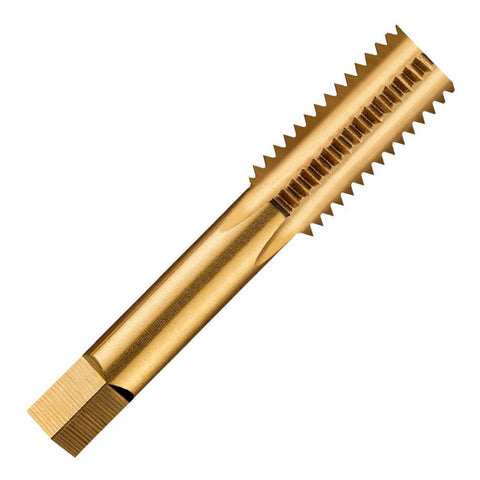 Machine Screw Taps27 products
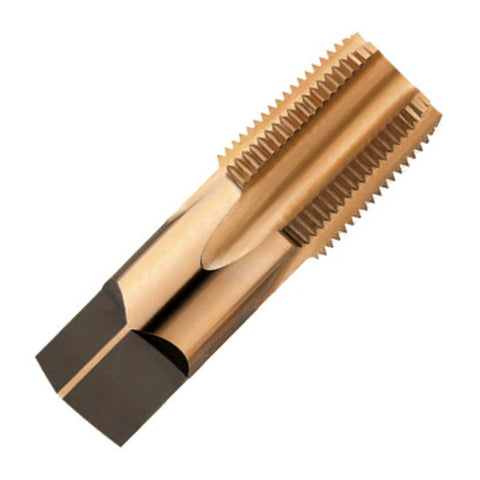 Pipe Taps8 products
 Tap & Die Sets13 products
 Tap Wrenches2 products
 18-Piece Tap & Hex Die Set, UNC, 1/4" - 3/4"
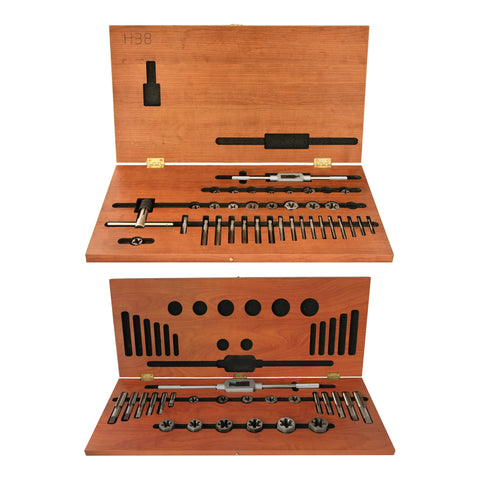 58-Piece Tap & Hex Die Set, UNC & UNF, #4 - 1"
 Walter Carbide Burr Production Kit, 5 Piece, Double Cut
Drillco Carbide Burr Set No. 2, 8 Piece, 3/8" Burrs, 1/4" Shank, Single Cut
 Drillco Carbide Burr Set No. 1, 8 Piece, 1/4" Burrs, 1/4" Shank, Double Cut
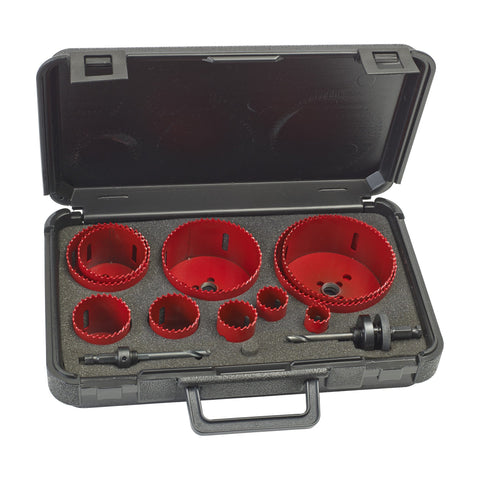
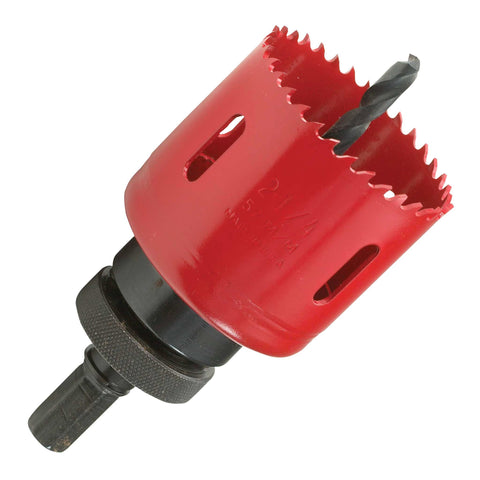
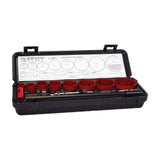
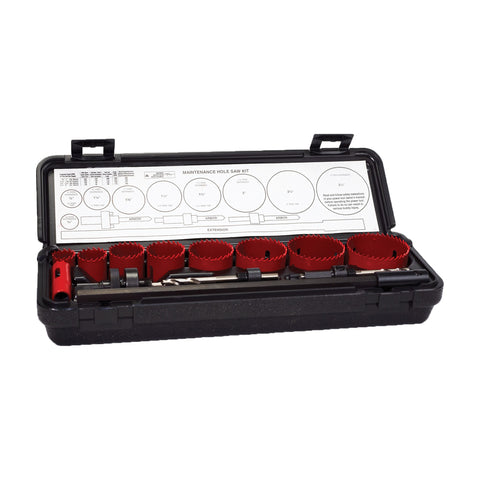 Maintenance Hole Saw Kit, 11 Piece
 115-Piece 118º Blk Oxide, 1/16 - 1/2 by 64ths, #1- #60, A-Z
 Walter Carbide Burr Kit, 5 Piece, Aluminum Cut
 M16 x 2 Metric ThunderTap 3-Piece Set (Taper, Plug, Bottoming)
 M18 x 2.5 Metric ThunderTap 3-Piece Set (Taper, Plug, Bottoming)
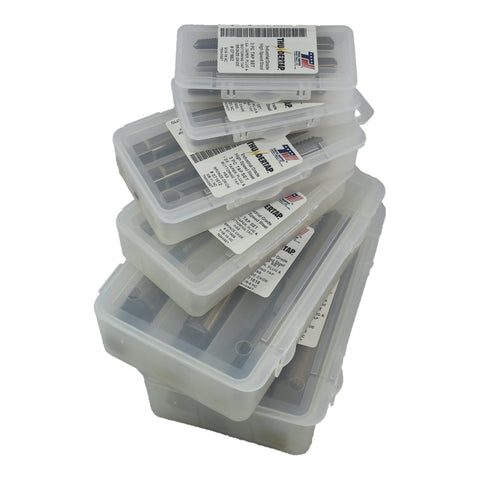 M7 x 1 Metric ThunderTap 3-Piece Set (Taper, Plug, Bottoming)
 M4 x 0.7 Metric ThunderTap 3-Piece Set (Taper, Plug, Bottoming)
 Types of Drill Bits Explained: Which Bit for Which MaterialGuide · Electrical
 Drill Bits for Hardened Steel: Carbide-Tipped vs CobaltGuide · Foundation & Basement Repair
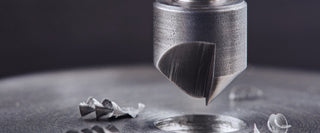 Counterbore vs Countersink, and When You Need EachGuide · Metal Fabrication
Types of Drill Bits Explained: Which Bit for Which MaterialGuide · Electrical
Drill Bits for Hardened Steel: Carbide-Tipped vs CobaltGuide · Foundation & Basement Repair
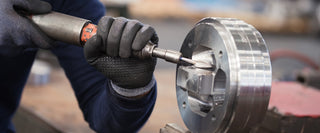 Carbide Burrs for Aluminum: Why Double Cut Clogs and What to UseGuide · Metal Fabrication
Drill Bits for Hardened Steel: Carbide-Tipped vs CobaltGuide · Foundation & Basement Repair
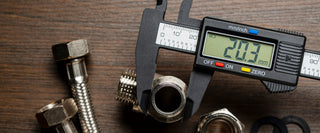 Tap Drill Size Chart and Drill Decimal EquivalentsGuide · Metal Fabrication
Types of Drill Bits Explained: Which Bit for Which MaterialGuide · Electrical
Counterbore vs Countersink, and When You Need EachGuide · Metal Fabrication
 Drill Speed Chart: The Right RPM, and Why Heat Kills BitsGuide · Metal Fabrication
Counterbore vs Countersink, and When You Need EachGuide · Metal Fabrication
Drill Bits for Hardened Steel: Carbide-Tipped vs CobaltGuide · Foundation & Basement Repair
Drill Bits for Hardened Steel: Carbide-Tipped vs CobaltGuide · Foundation & Basement Repair
Counterbore vs Countersink, and When You Need EachGuide · Metal Fabrication
Drill Bits for Hardened Steel: Carbide-Tipped vs CobaltGuide · Foundation & Basement Repair
Counterbore vs Countersink, and When You Need EachGuide · Metal Fabrication
Drill Bits for Hardened Steel: Carbide-Tipped vs CobaltGuide · Foundation & Basement Repair
Counterbore vs Countersink, and When You Need EachGuide · Metal Fabrication
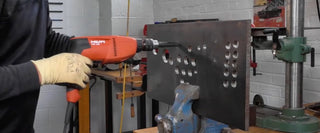 What Is a Reamer? Car, Bridge and Pipe Reamers ExplainedGuide · Electrical
Drill Bits for Hardened Steel: Carbide-Tipped vs CobaltGuide · Foundation & Basement Repair
Drill Bits for Hardened Steel: Carbide-Tipped vs CobaltGuide · Foundation & Basement Repair
Counterbore vs Countersink, and When You Need EachGuide · Metal Fabrication
Types of Drill Bits Explained: Which Bit for Which MaterialGuide · Electrical
Drill Bits for Hardened Steel: Carbide-Tipped vs CobaltGuide · Foundation & Basement Repair
Types of Drill Bits Explained: Which Bit for Which MaterialGuide · Electrical
Drill Bits for Hardened Steel: Carbide-Tipped vs CobaltGuide · Foundation & Basement Repair
Drill Speed Chart: The Right RPM, and Why Heat Kills BitsGuide · Metal Fabrication
Types of Drill Bits Explained: Which Bit for Which MaterialGuide · Electrical
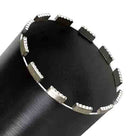 Ejercicios básicos
63
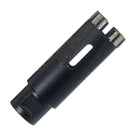 Stone Countertops
15
 Brocas para baldosas
95
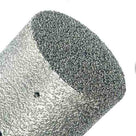 Fresas de diamante para baldosas
8
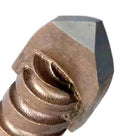 Brocas para vidrio
25
 Taladros para albañilería
148
Multi-Purpose Drill Bits
15
 Rebar Cutters
64
 Taladros y accesorios SDS
259
 SDS-Max
121
 V-Groove
48
Sets & Kits
63
 Broca de carburo de 2"
 Broca para núcleo de baldosas Blu Diamond de 5/16" x 2"
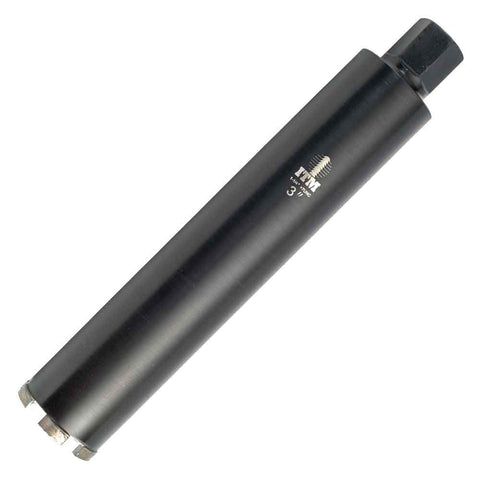 Broca con núcleo de diamante de 8" x 15-3/4"
 Broca de diamante blanca para azulejos de 3/4" x 2-3/4" - Vástago hexagonal de 1/4"
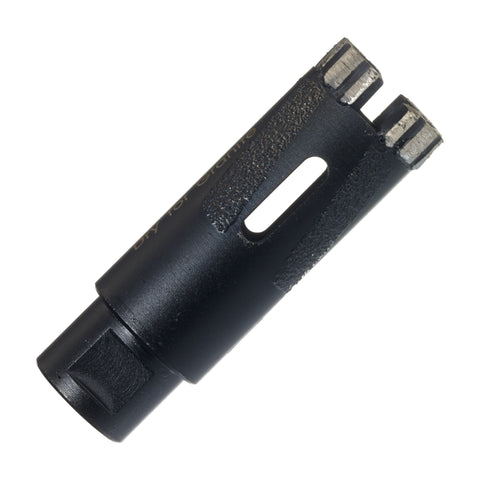 1-3/8" x 4" Stone Countertop Diamond Core Bit
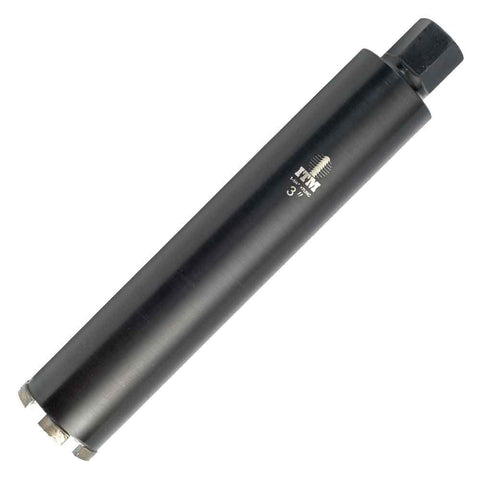 Broca con núcleo de diamante de 2-1/2" x 15-3/4"
1-3/8" x 4" Stone Countertop Diamond Core Bit
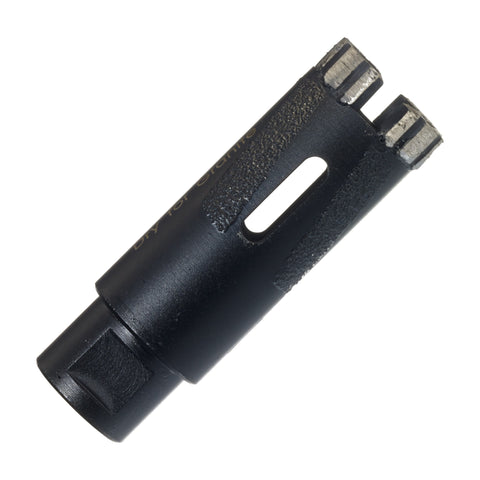 2" x 4" Stone Countertop Diamond Core Bit
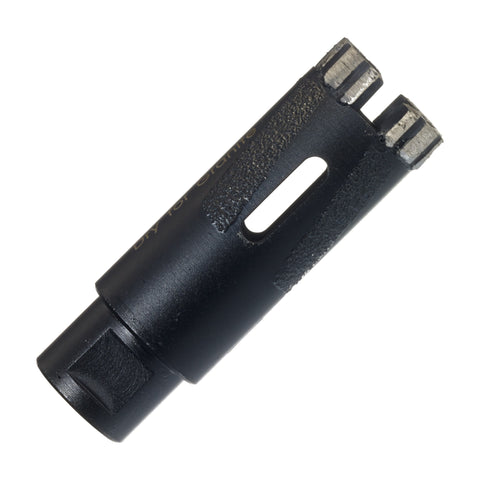 1-1/4" x 4" Stone Countertop Diamond Core Bit
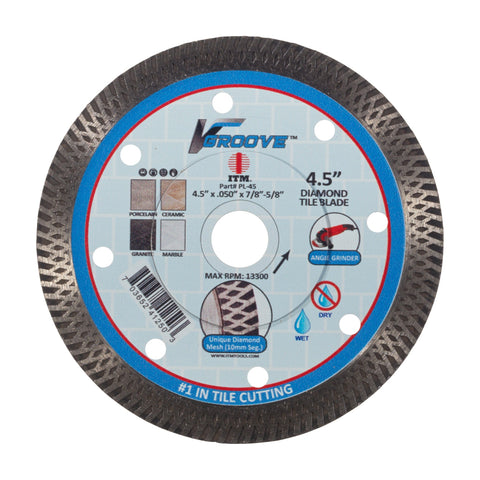 4-1/2" V-Groove Diamond Tile Blade
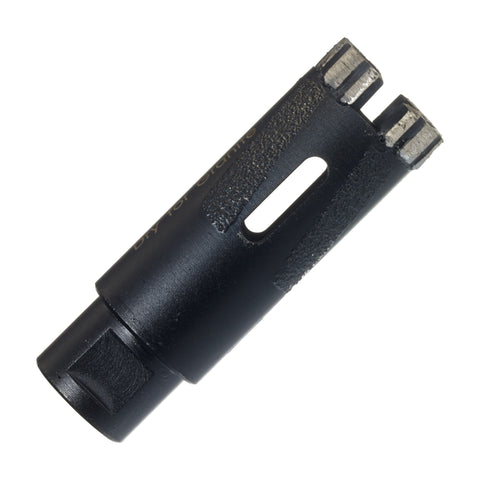 3" x 4" Stone Countertop Diamond Core Bit
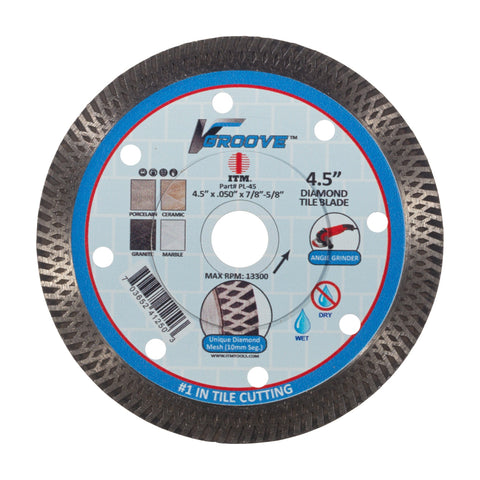 10" V-Groove Diamond Tile Blade
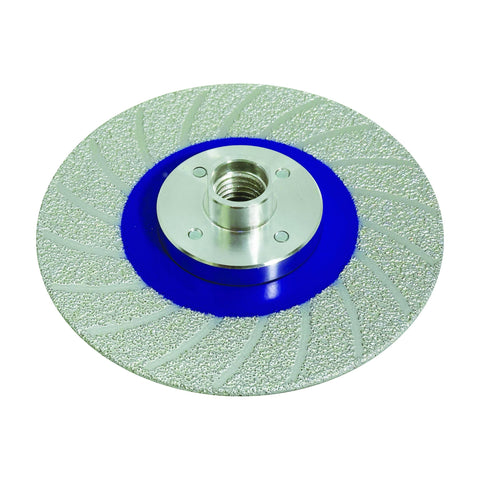 9" x 5/8"-11 Double-Sided Diamond Grinding & Cutting Disc
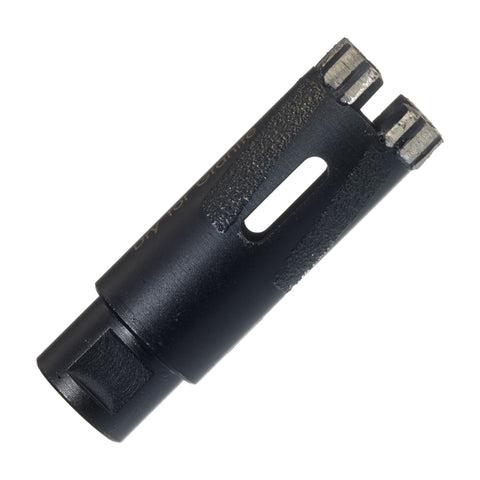 1" x 4" Stone Countertop Diamond Core Bit
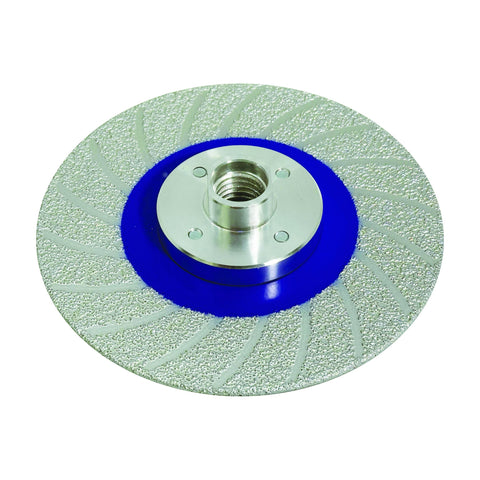 4-1/2" x 5/8"-11 Double-Sided Diamond Grinding & Cutting Disc
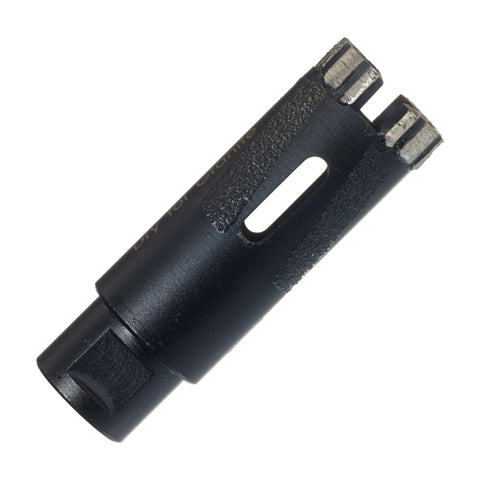 4" x 4" Stone Countertop Diamond Core Bit
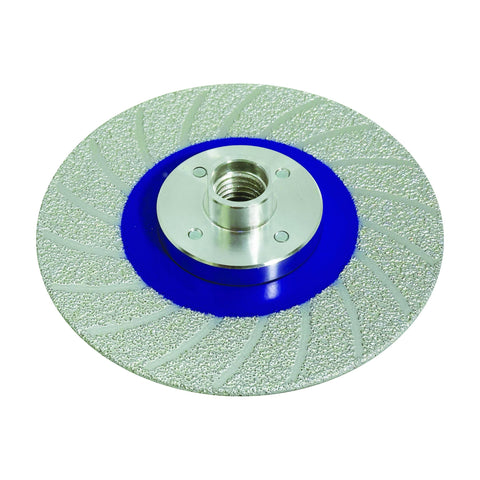 4" x 5/8"-11 Double-Sided Diamond Grinding & Cutting Disc
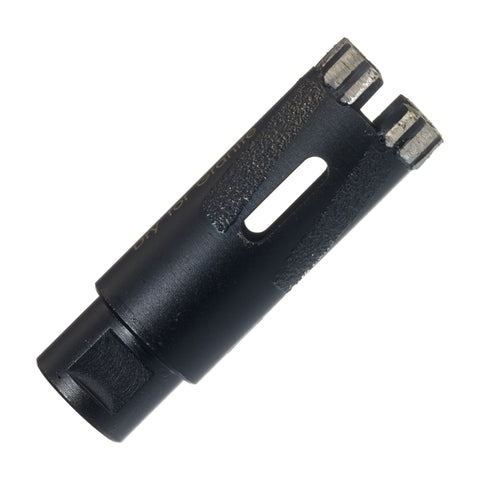 1-1/2" x 4" Stone Countertop Diamond Core Bit
 Broca de diamante blanca para azulejos de 7/8" x 2-3/4" - Vástago hexagonal de 1/4"
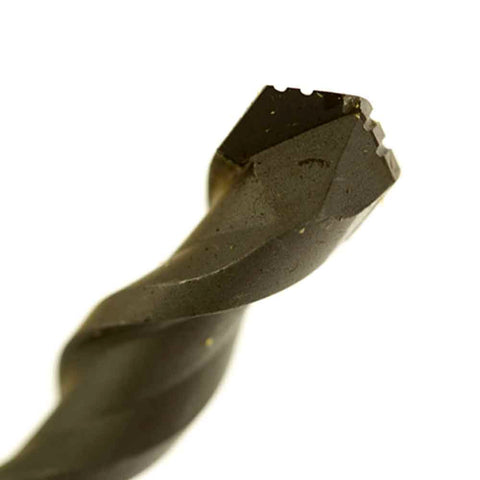 Broca para mampostería Groo-V® de 1/2" x 6" (paquete de 25)
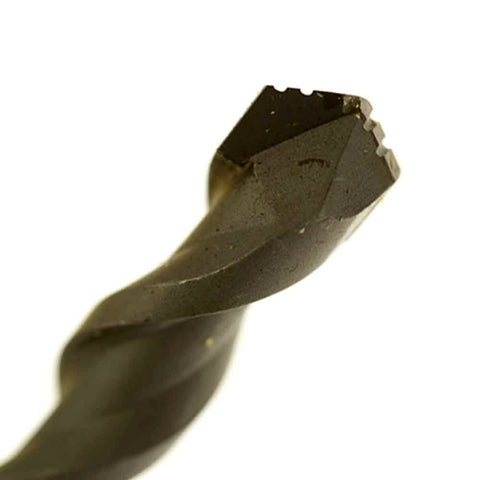 Broca para mampostería Groo-V® de 1/8" x 3" (paquete de 25)
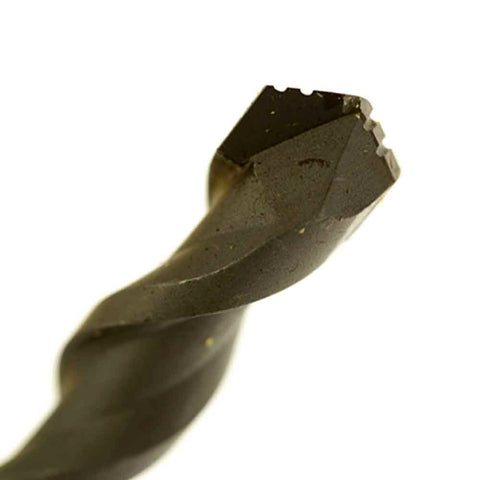 3/16" x 3" Groo-V® Masonry Drill
 Broca de diamante blanca para azulejos de 5/16" x 3-1/8" - Vástago hexagonal de 1/4"
 Broca de diamante blanca para azulejos de 1" x 2-3/8" - Rosca de 5/8"-11
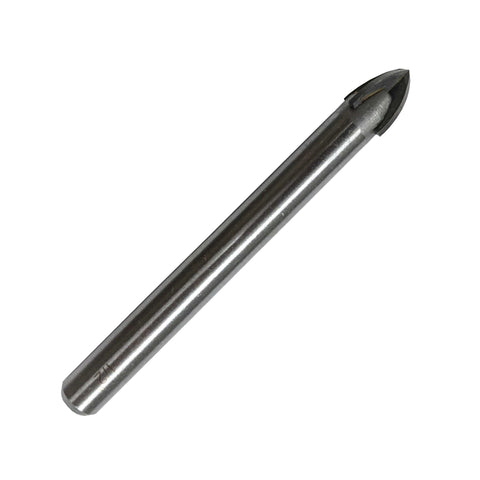 Broca para vidrio cuádruple con vástago de 3/4" y 3/8" (paquete de 6)
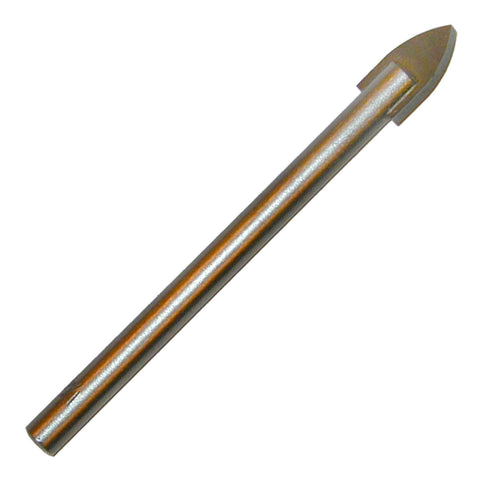 Broca para vidrio de 1/8" (paquete de 25)
 Broca para vidrio de 1/2" (paquete de 12)
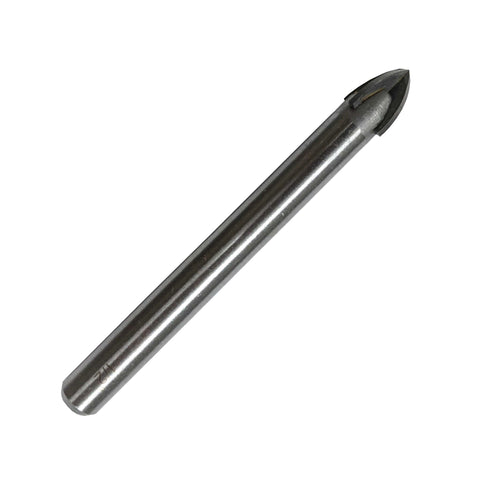 Juego de cuatro piezas de vidrio y azulejos: 1/4", 5/16", 3/8", 1/2"
 Broca para vidrio RAZOR de 1/2" x 4" (paquete de 2)
 Broca para vidrio de 3/8" (paquete de 6)
3/16" x 3-1/2" Multi-Purpose Carbide Tip Drill Bit
3/16" x 6" Multi-Purpose Carbide Tip Drill Bit
1/4" x 4" Multi-Purpose Carbide Tip Drill Bit
5-Piece Multi-Purpose Carbide Tip Drill Bit Set, 1/8" to 3/8"
5/32" x 3" Multi-Purpose Carbide Tip Drill Bit
1/8" x 2-1/2" Multi-Purpose Carbide Tip Drill Bit
5/16" x 4" Multi-Purpose Carbide Tip Drill Bit
3/8" x 4-1/2" Multi-Purpose Carbide Tip Drill Bit
1/2" x 6" Multi-Purpose Carbide Tip Drill Bit
3/8" x 12" Multi-Purpose Carbide Tip Drill Bit
1/2" x 12" Multi-Purpose Carbide Tip Drill Bit
1/4" x 10" Multi-Purpose Carbide Tip Drill Bit
 SDS-Plus Rebar Cutters29 products
 SDS-Max Rebar Cutters18 products
 Straight Shank Rebar Cutters17 products
 Anchor & Concrete Screw Bits10 products
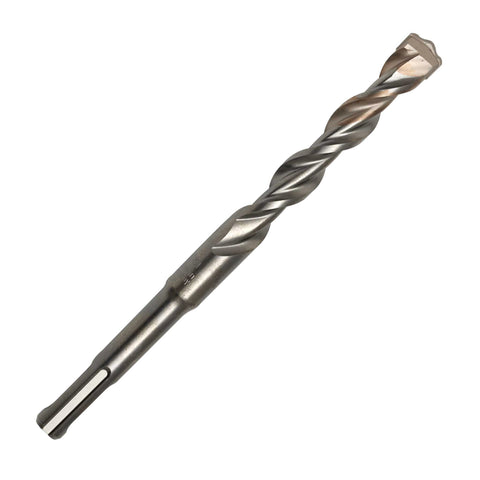 Drill Bits206 products
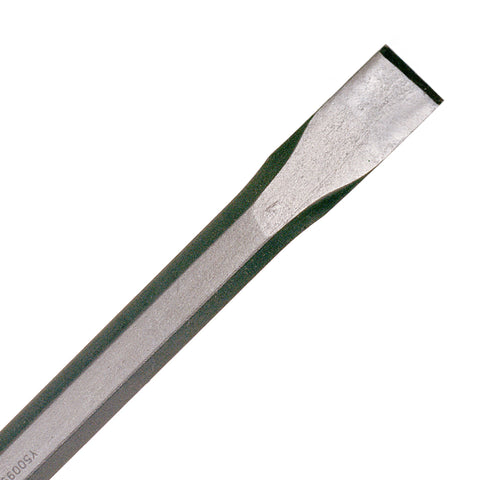 Chisels14 products
Rebar Cutters29 products
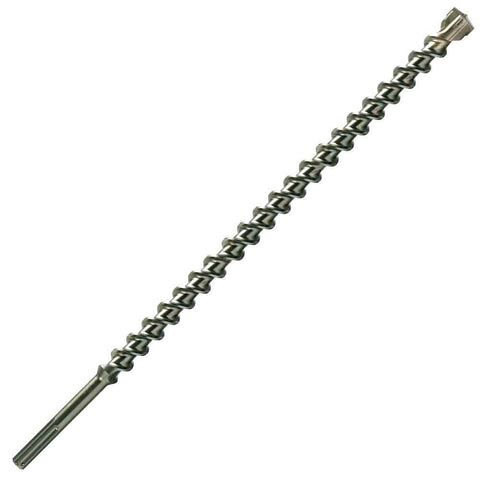 Drill Bits56 products
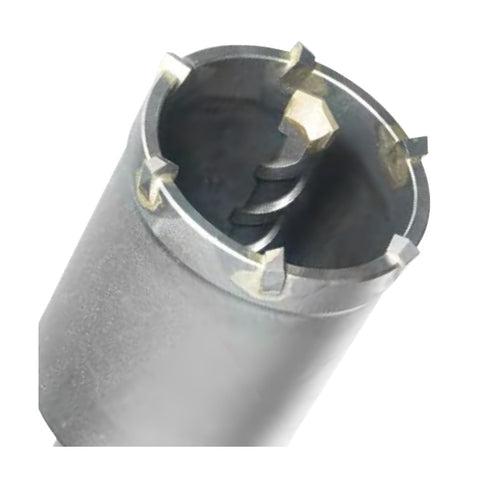 Core Bits15 products
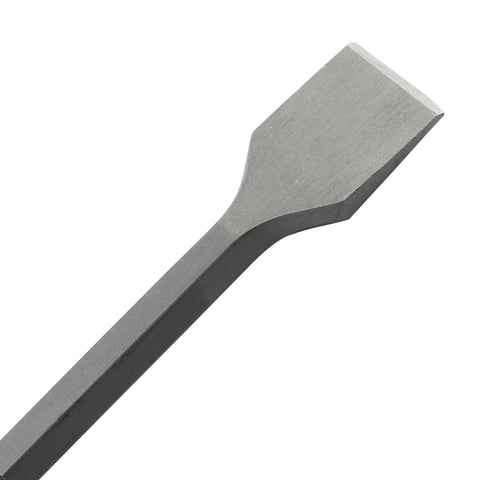 Chisels24 products
Rebar Cutters18 products
Extensions & Adaptors8 products
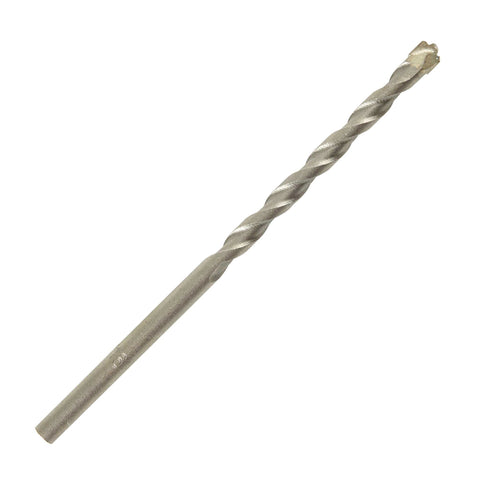 Brocas para baldosas con ranura en V de 1/4" x 6" (paquete de 25)
11/16" x 6" Groo-V® Masonry Drill
Broca para mampostería Groo-V® de 1/2" x 6" (paquete de 25)
1" x 6" Groo-V® Masonry Drill
9/16" x 6" Groo-V® Masonry Drill
1/8" x 3" Groo-V® Masonry Drill
1/4" x 4" Groo-V® Masonry Drill
3/8" x 4" Groo-V® Masonry Drill
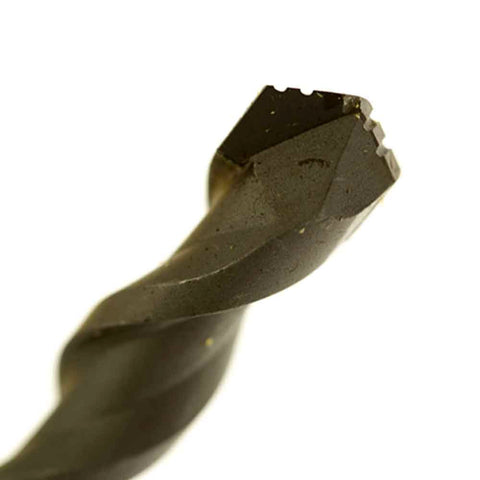 Broca para mampostería Groo-V® de 3/16" x 4" (paquete de 25)
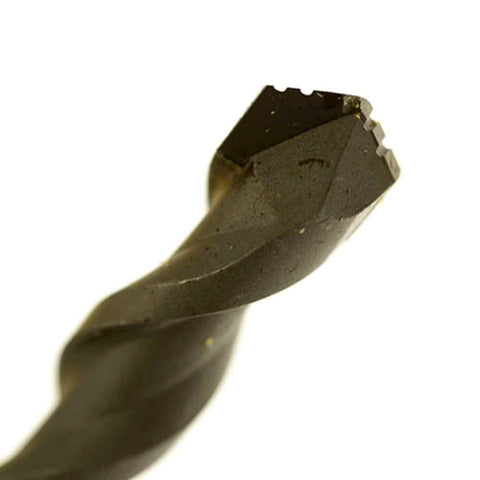 Broca para mampostería Groo-V® de 1/4" x 8" (paquete de 25)
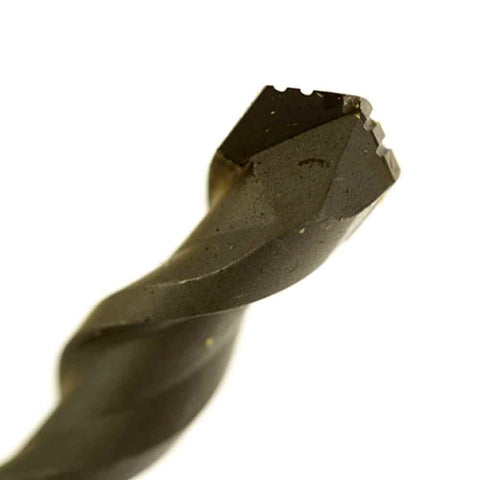 Broca para mampostería Groo-V® de 5/16" x 4" (paquete de 25)
3/16" x 6" Groo-V® Masonry Drill
18-Piece Tap & Hex Die Set, UNC, 1/4" - 3/4"
58-Piece Tap & Hex Die Set, UNC & UNF, #4 - 1"
Walter Carbide Burr Production Kit, 5 Piece, Double Cut
Drillco Carbide Burr Set No. 2, 8 Piece, 3/8" Burrs, 1/4" Shank, Single Cut
Drillco Carbide Burr Set No. 1, 8 Piece, 1/4" Burrs, 1/4" Shank, Double Cut
Maintenance Hole Saw Kit, 11 Piece
115-Piece 118º Blk Oxide, 1/16 - 1/2 by 64ths, #1- #60, A-Z
Walter Carbide Burr Kit, 5 Piece, Aluminum Cut
M16 x 2 Metric ThunderTap 3-Piece Set (Taper, Plug, Bottoming)
M18 x 2.5 Metric ThunderTap 3-Piece Set (Taper, Plug, Bottoming)
M7 x 1 Metric ThunderTap 3-Piece Set (Taper, Plug, Bottoming)
M4 x 0.7 Metric ThunderTap 3-Piece Set (Taper, Plug, Bottoming)
 Foundation Repair Tools: What Crews Need, Step by StepGuide · Foundation & Basement Repair
 Frameless Shower Door Installation on Tile, Step by StepGuide · Glass & Shower
Diamond Blades: Segmented, Turbo, Continuous Rim, Which SawGuide · Electrical
 California's Quartz Countertop Ban: What It Is, What It Isn't, and What Happens NextGuide · Tile & Stone
Frameless Shower Door Installation on Tile, Step by StepGuide · Glass & Shower
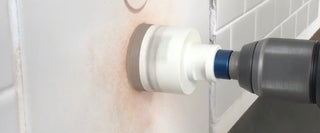 How to Drill Through Tile and Porcelain Without Cracking ItGuide · Glass & Shower
Diamond Blades: Segmented, Turbo, Continuous Rim, Which SawGuide · Electrical
Frameless Shower Door Installation on Tile, Step by StepGuide · Glass & Shower
Types of Drill Bits Explained: Which Bit for Which MaterialGuide · Electrical
Frameless Shower Door Installation on Tile, Step by StepGuide · Glass & Shower
Types of Drill Bits Explained: Which Bit for Which MaterialGuide · Electrical
Diamond Blades: Segmented, Turbo, Continuous Rim, Which SawGuide · Electrical
 SDS Max Extension and Adapter Guide: What Breaks BitsGuide · Electrical
Foundation Repair Tools: What Crews Need, Step by StepGuide · Foundation & Basement Repair
 Rebar Drill Bits: How to Drill Through Rebar in Concrete FootingsGuide · Foundation & Basement Repair
SDS Plus vs SDS Max: Which Shank for the JobGuide · Electrical
Foundation Repair Tools: What Crews Need, Step by StepGuide · Foundation & Basement Repair
SDS Max Extension and Adapter Guide: What Breaks BitsGuide · Electrical
SDS Plus vs SDS Max: Which Shank for the JobGuide · Electrical
 Grinding Wheels
48
 Cut-Off Wheels
102
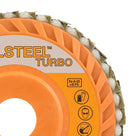 Flap Discs
15
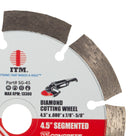 Diamond Blades
23
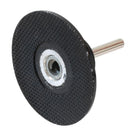 Sanding Discs
169
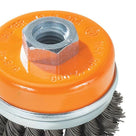 Wire Brushes
96
 Surface Conditioning
34
 File Belts
33
 Mounted Points & Dressing Stones
54
 By Power Tool
545
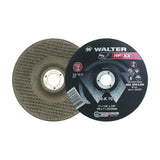
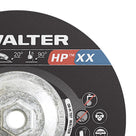
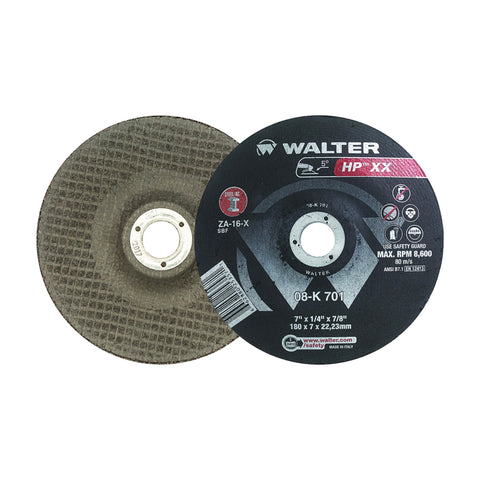 7" x 1/4" x 5/8"-11 HP XX Saucer Grinding Wheel, Type 28
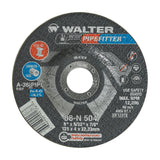
 5" x 5/32" x 7/8" PIPEFITTER Grinding Wheel, Type 27
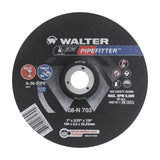
 7" x 5/32" x 7/8" PIPEFITTER Grinding Wheel, Type 27
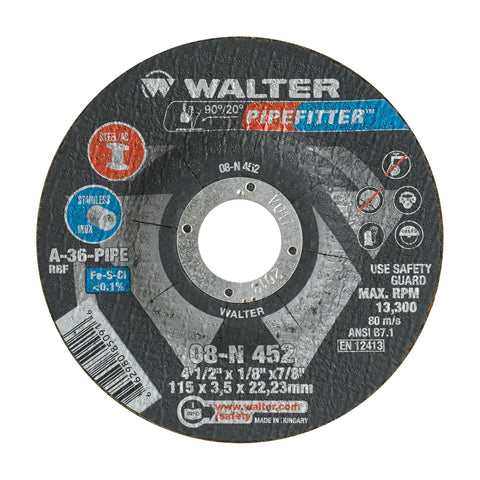
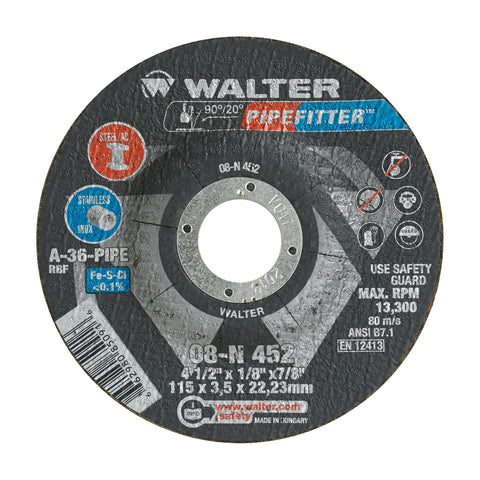 4-1/2" x 1/8" x 7/8" PIPEFITTER Grinding Wheel, Type 27
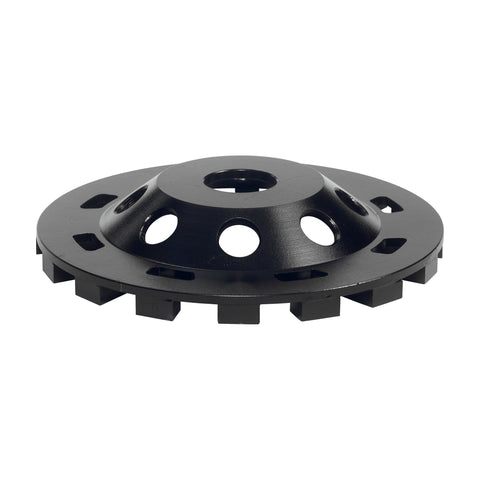 5" x 5/8"-11 Diamond Grinding Cup Wheel, 16 Segments
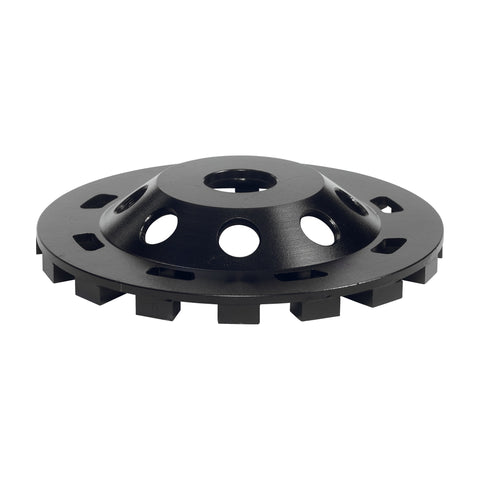 7" x 7/8" Diamond Grinding Cup Wheel, 18 Segments
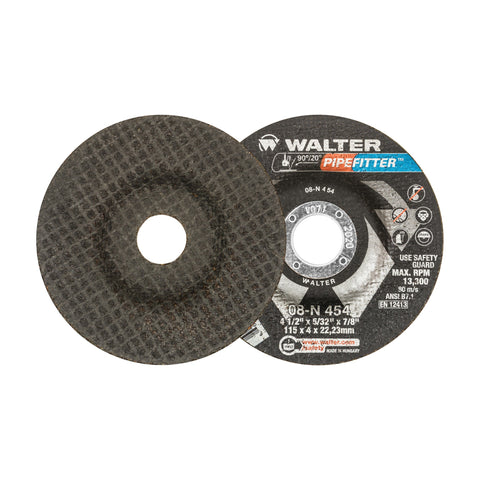 4-1/2" x 5/32" x 7/8" PIPEFITTER Grinding Wheel, Type 27
 5" x 5/8"-11 PCD Cup Wheel for Coating Removal, 6 Segments
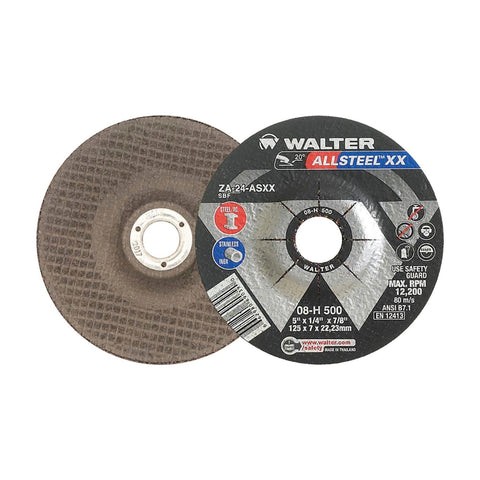 5" x 1/4" x 7/8" HP XX Grinding Wheel, Type 27
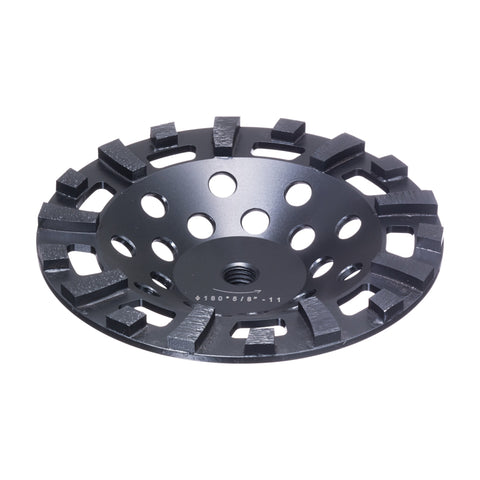 7" x 5/8"-11 Diamond Grinding Cup Wheel, 18 Segments
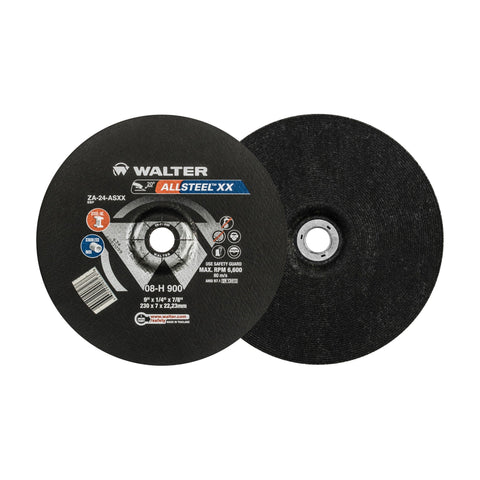 9" x 1/4" x 7/8" HP XX Grinding Wheel, Type 27, ZA-24
 7" x 3/32" x 5/8"-11 PIPEFITTER Grinding Wheel, Type 27S, Metal Hub
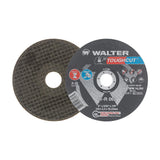
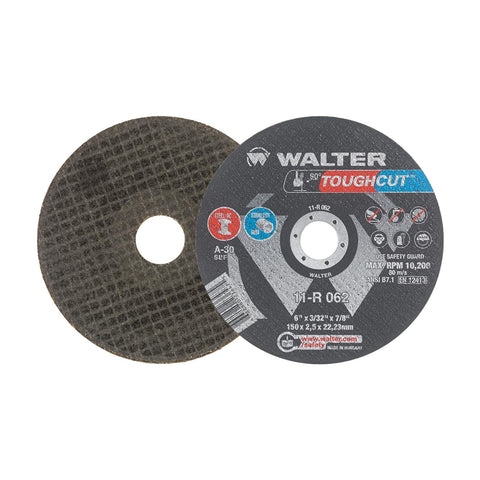 6" x 3/32" x 7/8" TOUGHCUT Cut-Off Wheel, Type 1
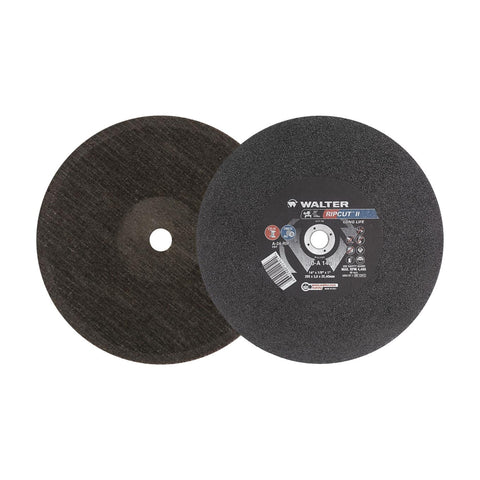 14" x 1/8" x 1" RIPCUT II Cut-Off Wheel
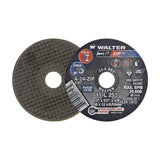
 2" x 1/2" x 3/8" ZIP Cut-Off Wheel, Type 1
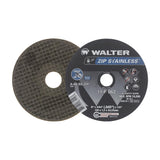
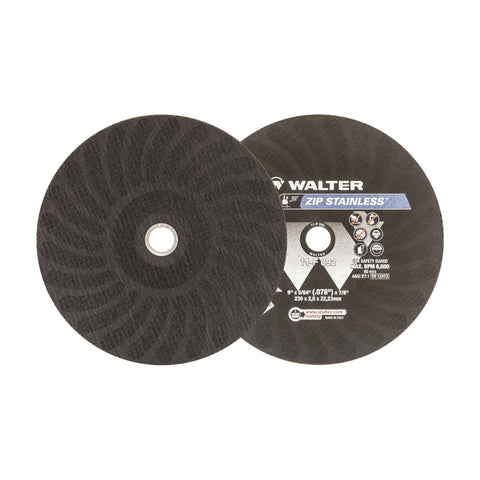 9" x 5/64" x 7/8" ZIP STAINLESS Cut-Off Wheel, Type 1
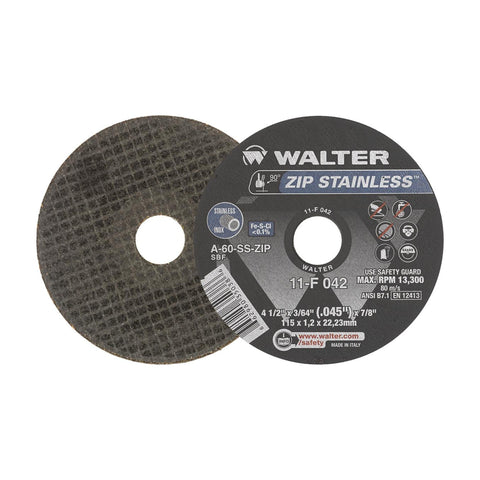
 6" x 3/64" x 7/8" ZIP STAINLESS Cut-Off Wheel, Type 1
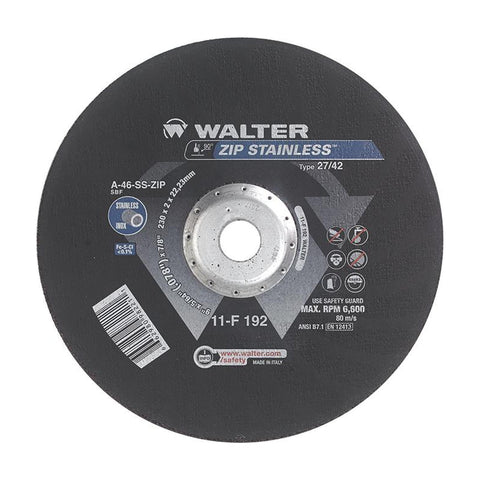 9" x 5/64" x 7/8" ZIP STAINLESS Cut-Off Wheel, Type 27
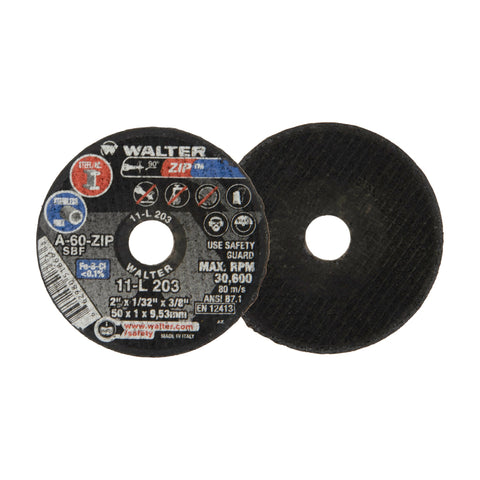 2" x 1/32" x 3/8" ZIP Cut-Off Wheel, Type 1
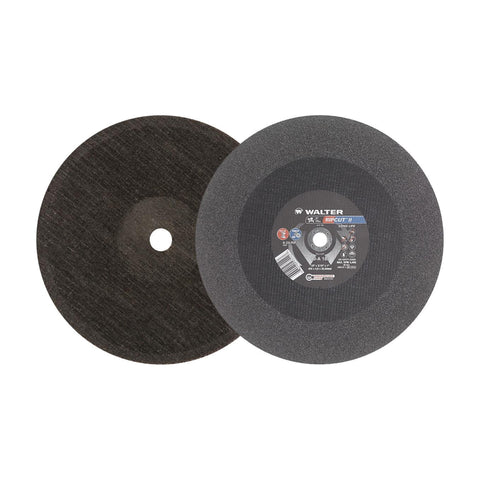 18" x 3/16" x 1" RIPCUT II Cut-Off Wheel
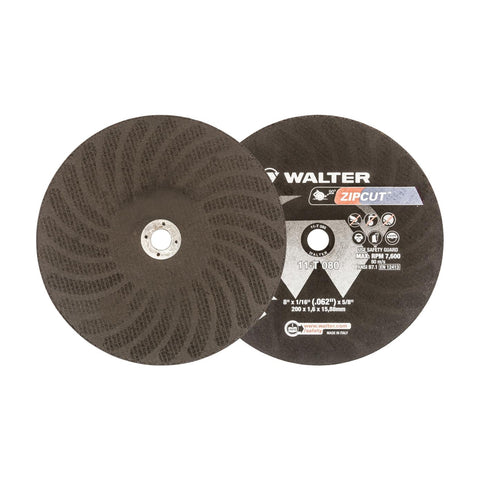 8" x 1/16" x 5/8" ZIPCUT Cut-Off Wheel, Type 1 for Circular Saws
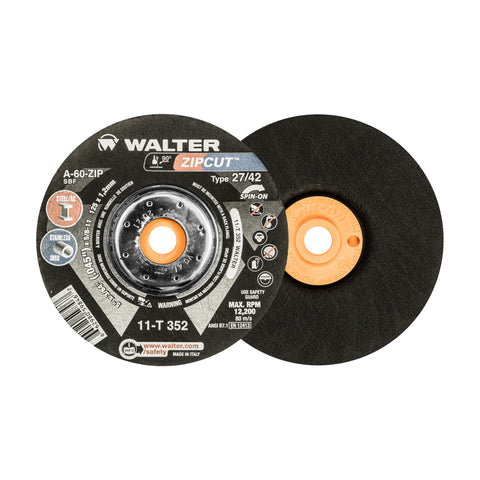 5" x 3/64" x 5/8"-11 ZIPCUT Cut-Off Wheel, Type 27S Spin-On
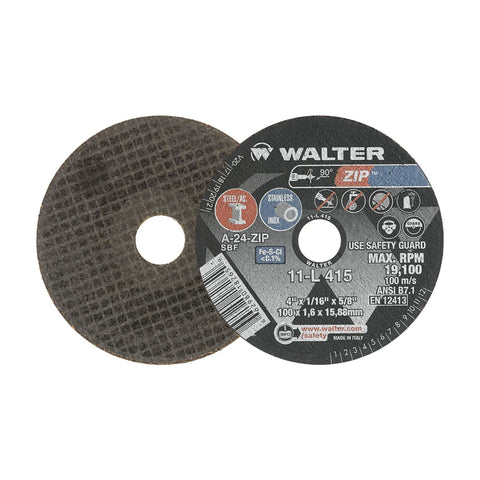 4" x 1/16" x 5/8" ZIP Cut-Off Wheel, Type 1
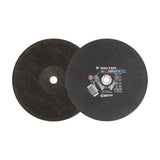
 16" x 7/64" x 1" CHOPCUT Chop Saw Wheel
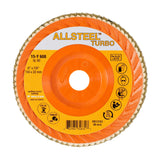
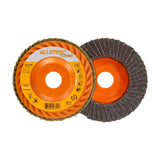
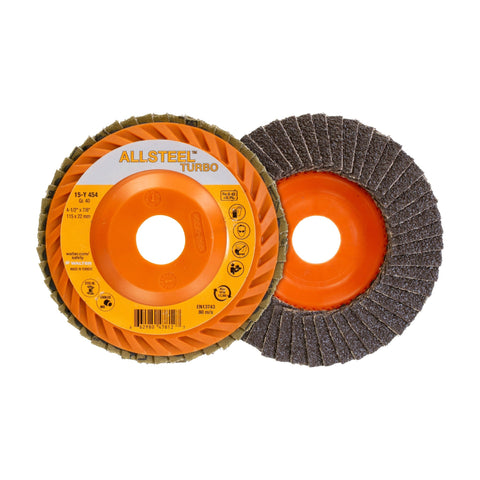 5" x 5/8"-11 ALLSTEEL TURBO Flap Disc, 80 Grit, Type 27S
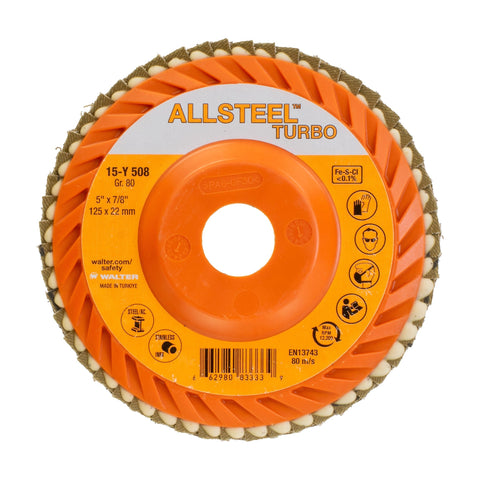 5" x 7/8" ALLSTEEL TURBO Flap Disc, 80 Grit, Type 27
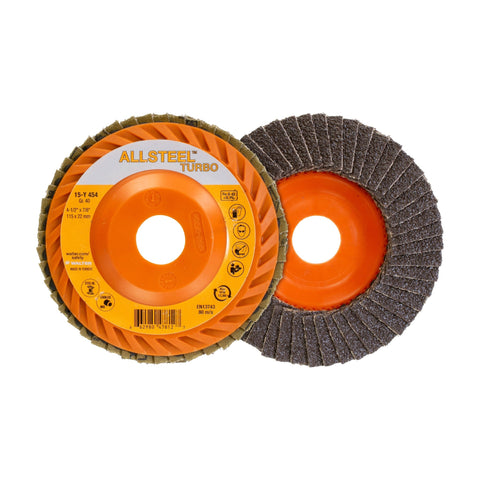 4-1/2" x 5/8"-11 ALLSTEEL TURBO Flap Disc, 80 Grit, Type 27S
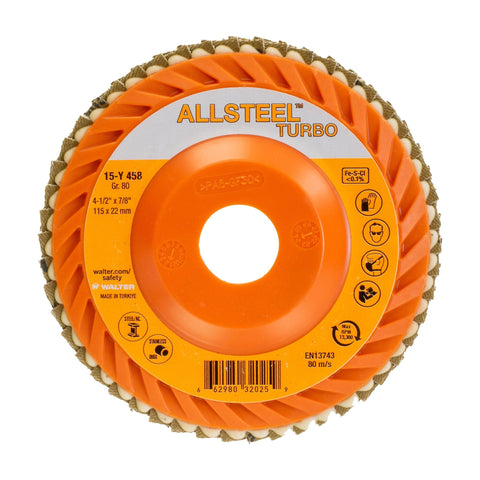 4-1/2" x 7/8" ALLSTEEL TURBO Flap Disc, 80 Grit, Type 27
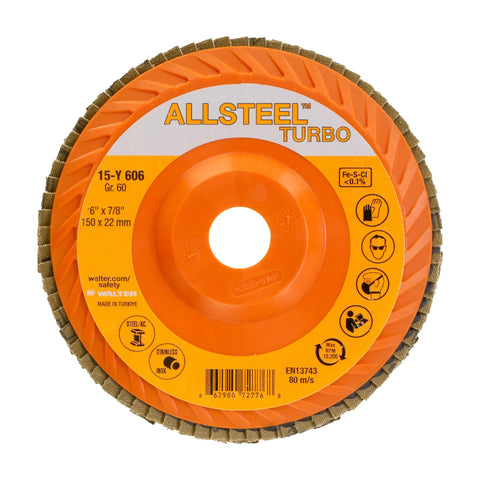 6" x 7/8" ALLSTEEL TURBO Flap Disc, 60 Grit, Type 27
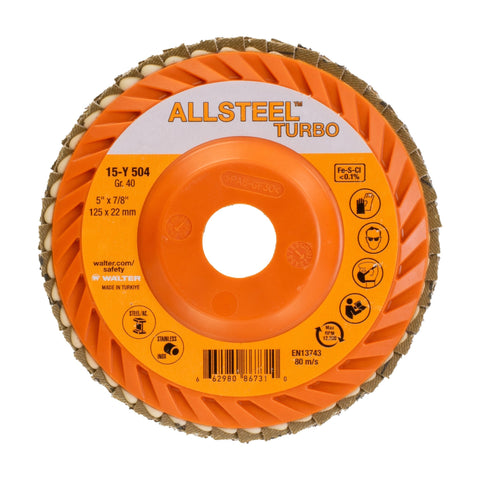 5" x 7/8" ALLSTEEL TURBO Flap Disc, 40 Grit, Type 27
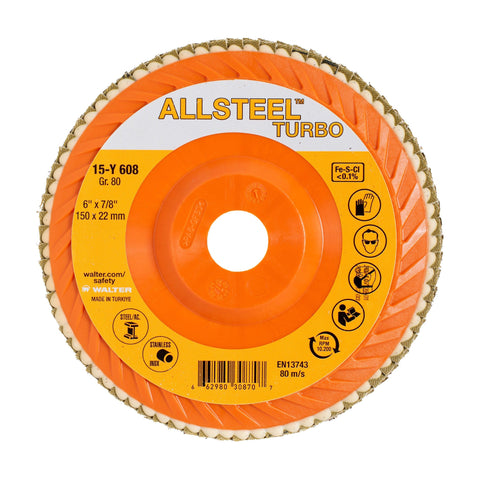 6" x 7/8" ALLSTEEL TURBO Flap Disc, 80 Grit, Type 27
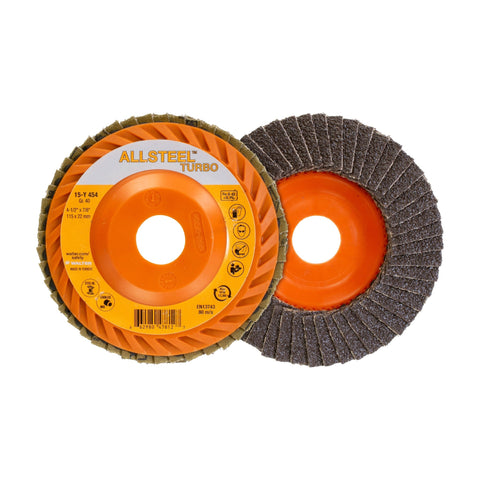 4-1/2" x 5/8"-11 ALLSTEEL TURBO Flap Disc, 60 Grit, Type 27S
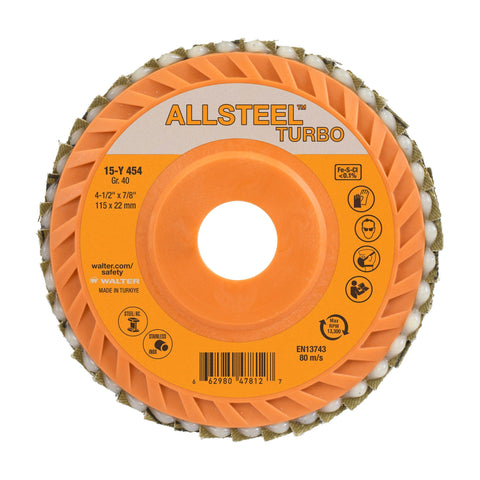 4-1/2" x 7/8" ALLSTEEL TURBO Flap Disc, 40 Grit, Type 27
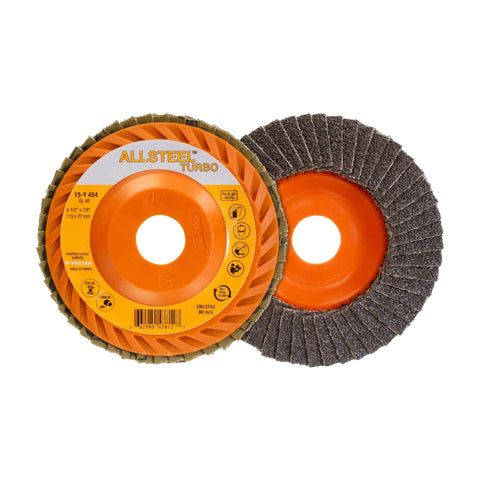 5" x 5/8"-11 ALLSTEEL TURBO Flap Disc, 40 Grit, Type 27S
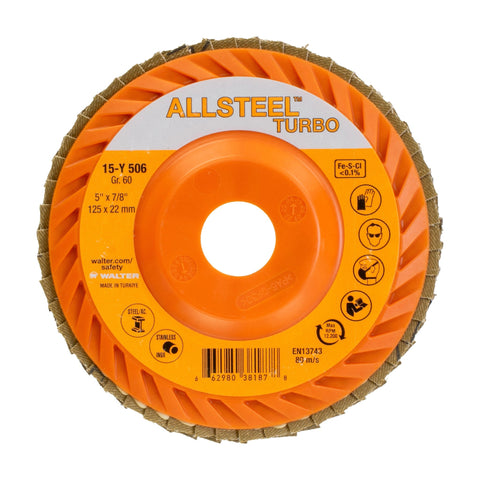 5" x 7/8" ALLSTEEL TURBO Flap Disc, 60 Grit, Type 27
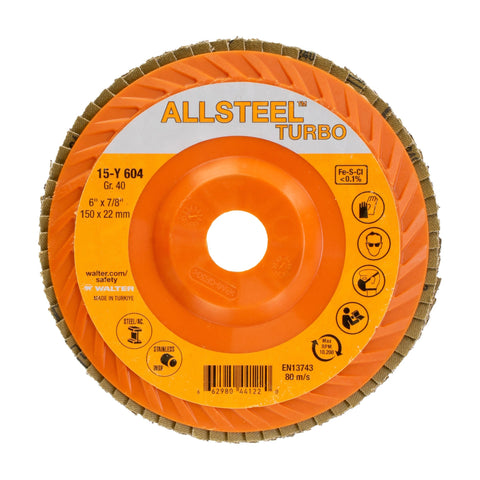 6" x 7/8" ALLSTEEL TURBO Flap Disc, 40 Grit, Type 27
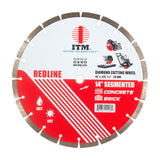
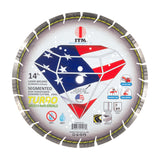
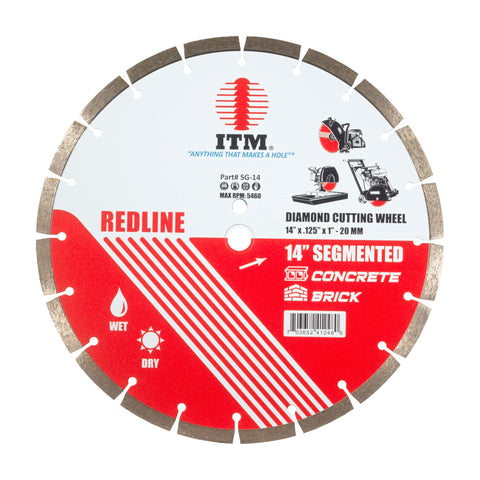 14" Segmented Diamond Cutting Wheel, General Use
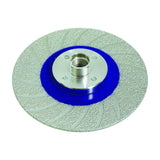
4-1/2" x 5/8"-11 Double-Sided Diamond Grinding & Cutting Disc
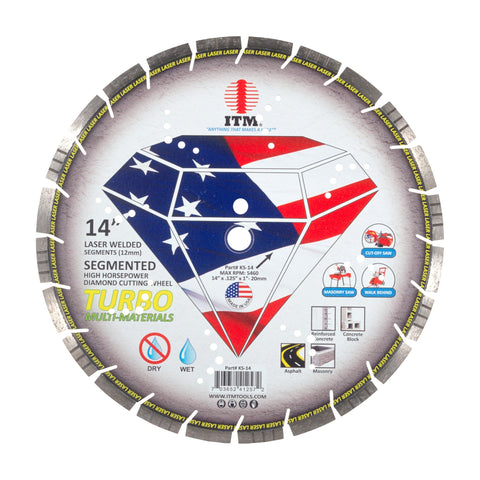 14" Segmented Diamond Cutting Wheel, Multi-Material
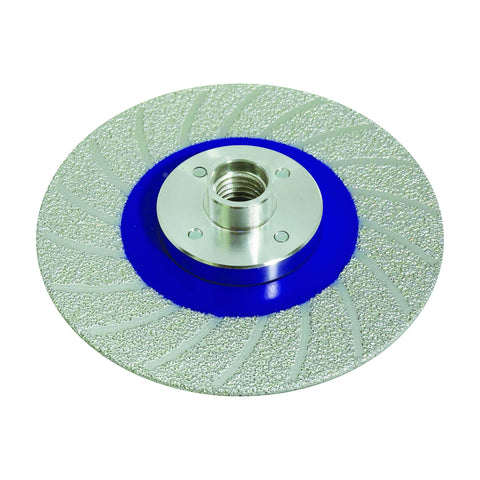 5" x 5/8"-11 Double-Sided Diamond Grinding & Cutting Disc
10" V-Groove Diamond Tile Blade
4" x 5/8"-11 Double-Sided Diamond Grinding & Cutting Disc
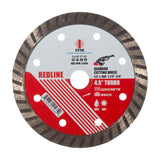
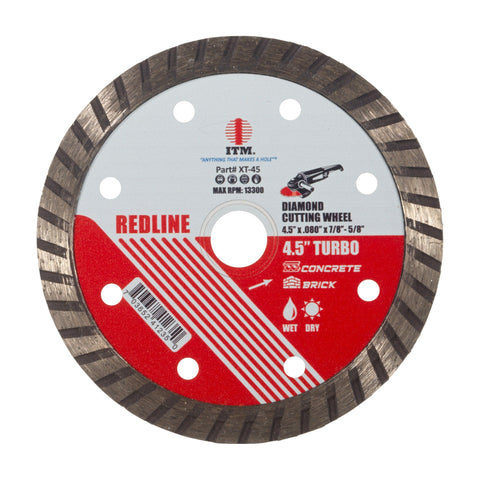 7" Turbo Diamond Cutting Wheel
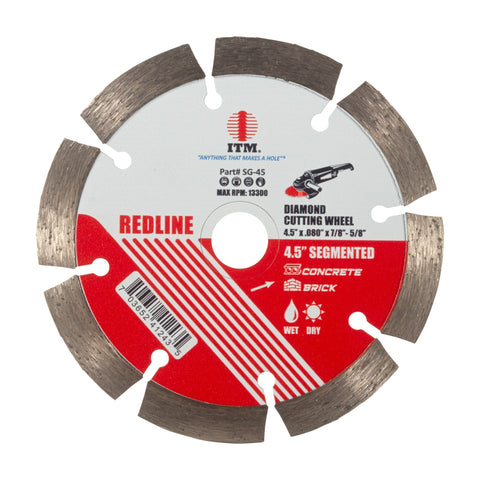 4-1/2" Segmented Diamond Cutting Wheel
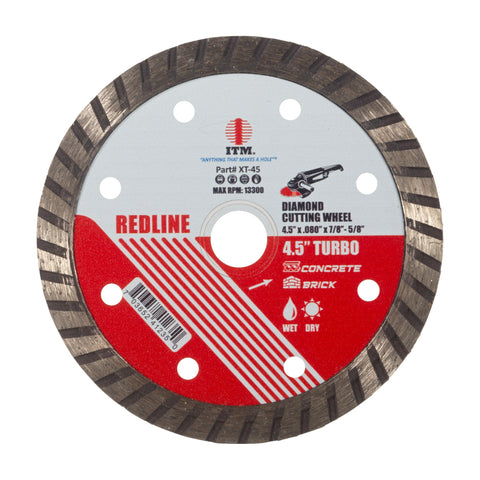 4" Turbo Diamond Cutting Wheel (10 Pack)
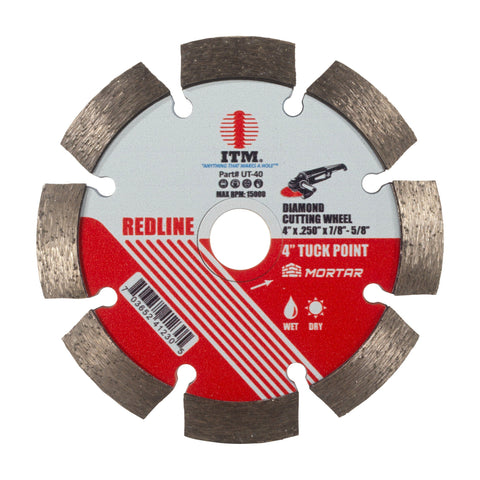 4" Tuck Point Diamond Cutting Wheel
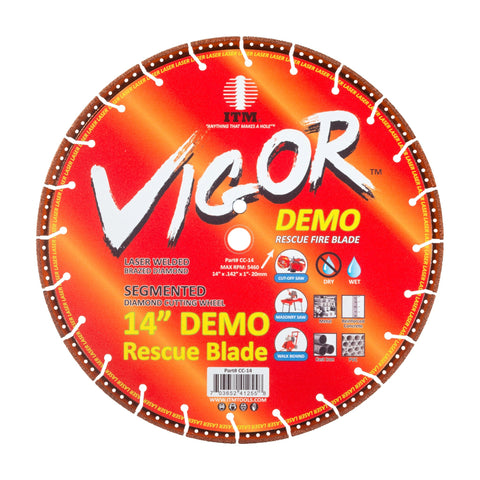 14" Demo Rescue Diamond Cutting Wheel
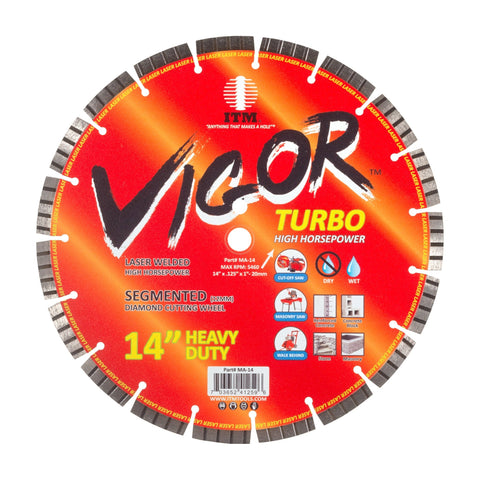
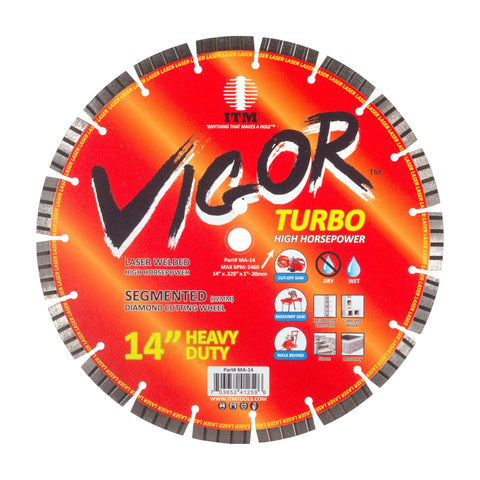
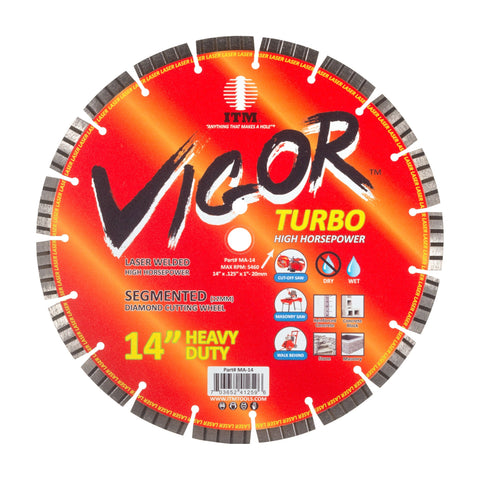 14" Segmented Diamond Cutting Wheel, Heavy Duty
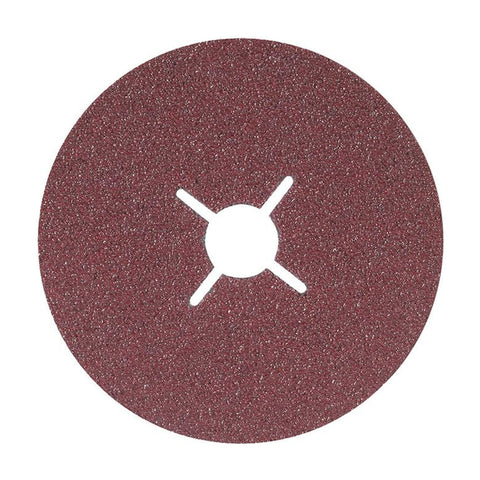 Resin Fibre Discs78 products
 Hook & Loop Discs34 products
 Quick-Change Discs40 products
 Backing & Interface Pads17 products
 2" Crimped Wire Mounted Spherical Brush, 1/4" Shank, .010" Stainless Steel
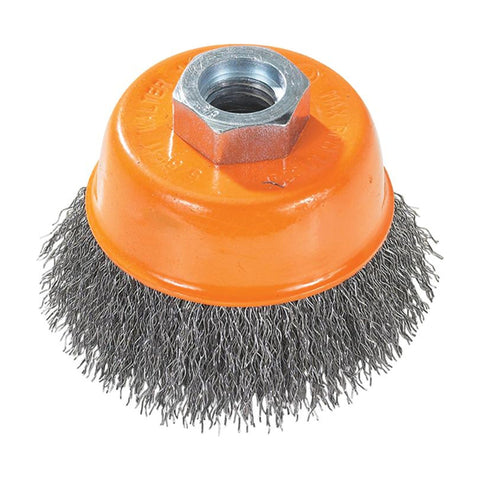
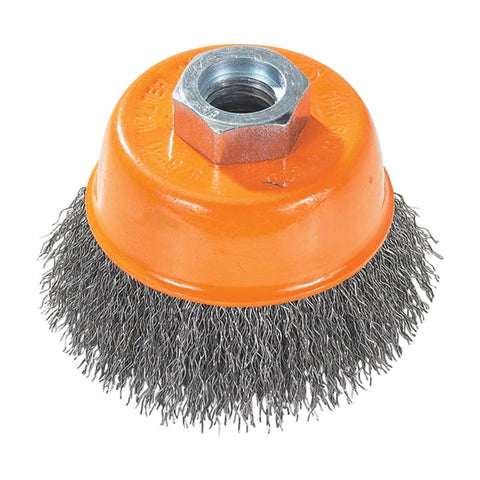 3" x 5/8"-11 Crimped Wire Cup Brush, .0118" Carbon Steel, 22 mm Trim
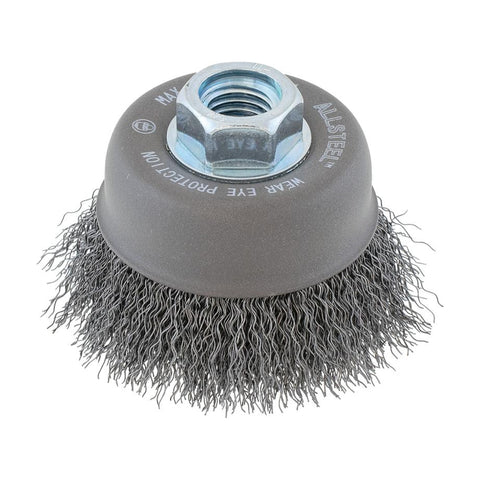 5" x 5/8"-11 ALLSTEEL Crimped Wire Cup Brush, .014" Carbon Steel
 4" x 1/4" Crimped Wire Mounted Wheel Brush, 1/4" Shank, .0118" Carbon Steel
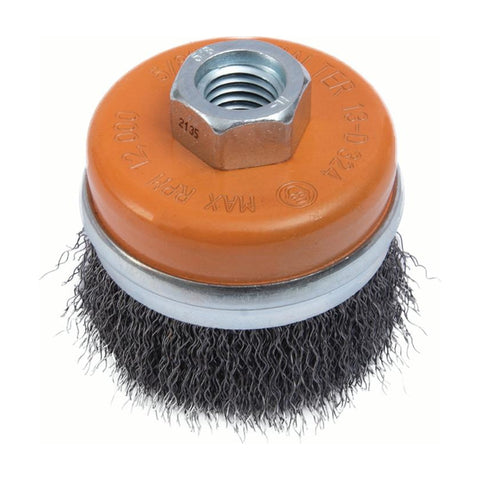 4" x 5/8"-11 Crimped Wire Cup Brush, .0118" Carbon Steel
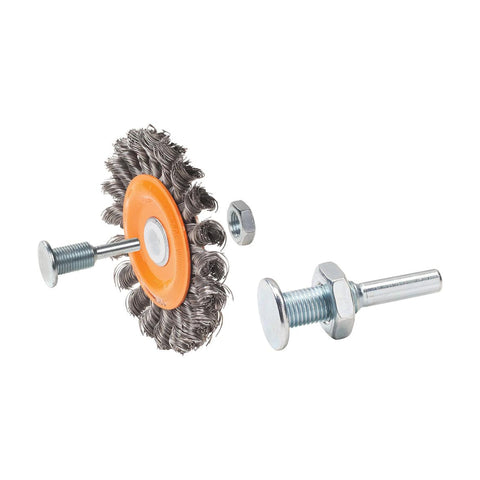 3" Double Sided Knot-Twisted Wire Mounted Wheel Brush, 3/8" Shank, .0118" Carbon Steel
 3/4" ALLSTEEL Crimped Wire Mounted End Brush, 1/4" Shank, .0118" Stainless Steel
 3" Crimped Wire Mounted Spherical Brush, 1/4" Shank, .0118" Stainless Steel
 3" x 1/4" Crimped Wire Mounted Wheel Brush, 1/4" Shank, .0118" Carbon Steel
 6" x 5/8"-11 Knot-Twisted Wire Cup Brush, .020" Carbon Steel
 2" ALLSTEEL Crimped Wire Mounted Wheel Brush, 1/4" Shank, .0118" Carbon Steel
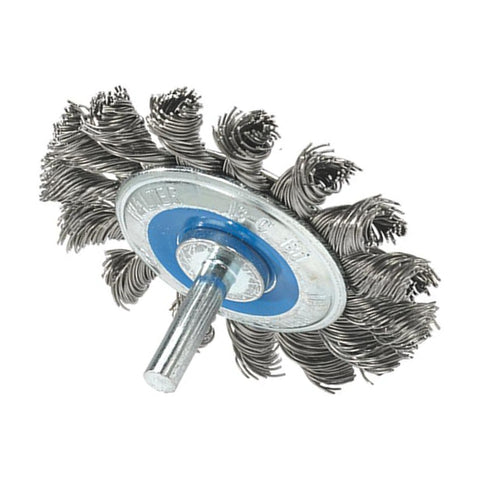 2-3/4" x 3/8" Knot-Twisted Wire Mounted Wheel Brush, 1/4" Shank, .020" Stainless Steel
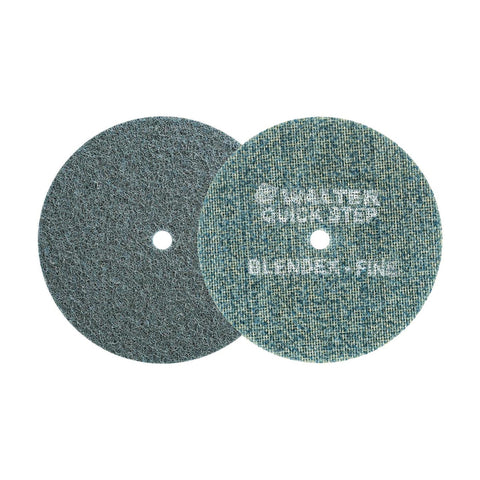 5" QUICK-STEP BLENDEX Hook & Loop Disc, Fine
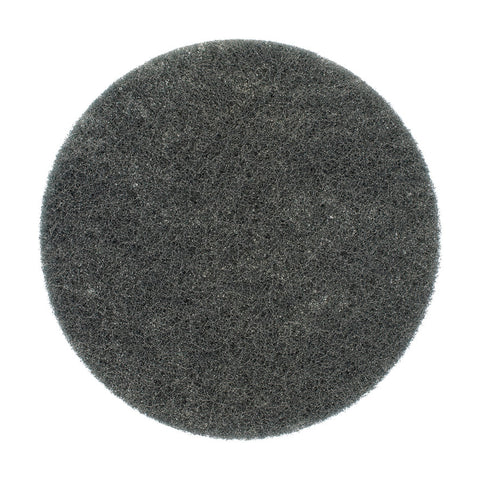 6" QUICK-STEP BLENDEX Hook & Loop Disc, Very Fine, 1000 Grit, Grey
 3" SPINLOCK Surface Conditioning Disc, Fine
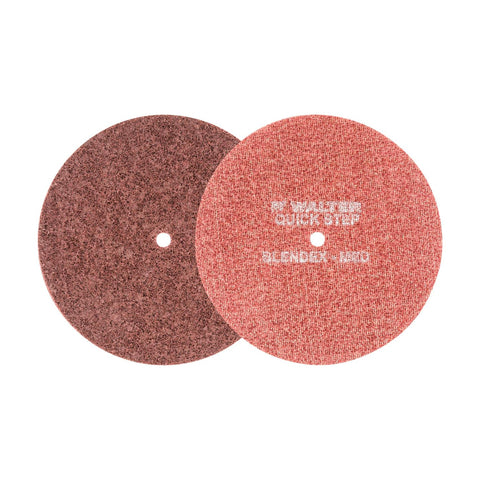 7" QUICK-STEP BLENDEX Hook & Loop Disc, Medium
 4-1/2" QUICK-STEP BLENDEX Hook & Loop Disc, Medium
 6" QUICK-STEP BLENDEX Hook & Loop Disc, Medium
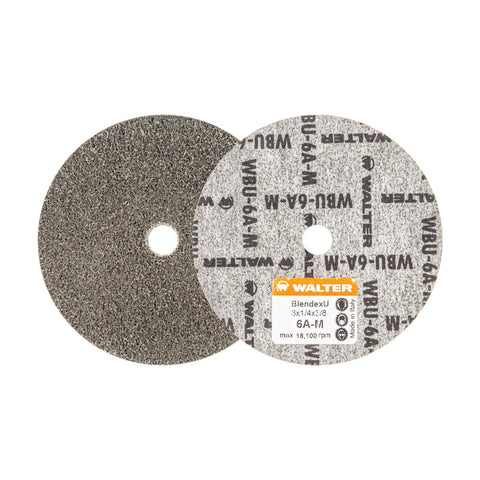 3" x 1/4" x 3/8" BLENDEX U Wheel, 6AM
 6" QUICK-STEP BLENDEX Hook & Loop Disc, Medium, 320 Grit, Black
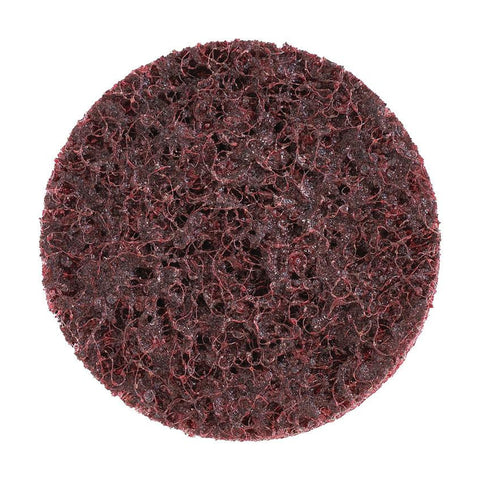 2" SPINLOCK Surface Conditioning Disc, Medium
 7" QUICK-STEP BLENDEX Hook & Loop Disc, Extra Coarse
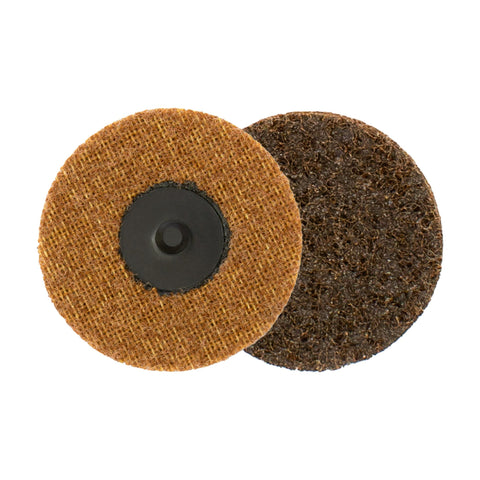 3" SPINLOCK Surface Conditioning Disc, Coarse
5" QUICK-STEP BLENDEX Hook & Loop Disc, Extra Coarse
 1/2" x 18" BLENDEX PLUS File Belt, Coarse
 1/2" x 18" INOX PLUS File Belt, 80 Grit
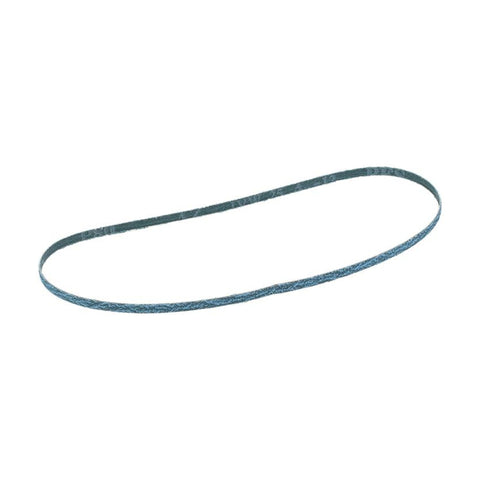 1/4" x 24" TOPCUT PLUS File Belt, 80 Grit
 3/4" x 18" TOPCUT PLUS File Belt, 60 Grit
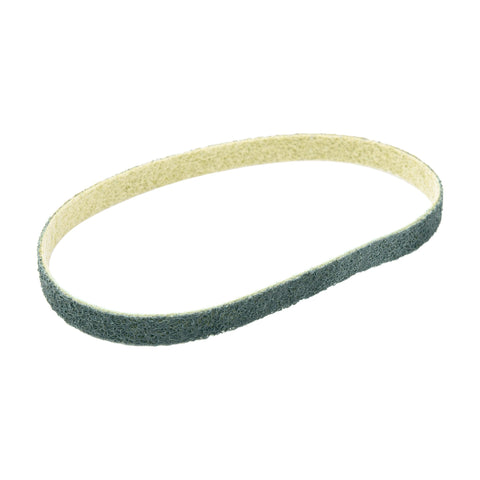 1/2" x 18" BLENDEX PLUS File Belt, Very Fine
 1/2" x 18" TOPCUT PLUS File Belt, 60 Grit
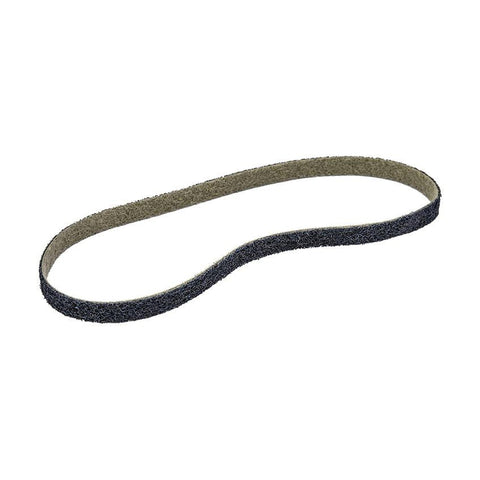 1/2" x 24" BLENDEX PLUS File Belt, Very Fine
 1/2" x 24" INOX PLUS File Belt, 60 Grit
 3/4" x 18" INOX PLUS File Belt, 120 Grit
 3/4" x 18" INOX PLUS File Belt, 36 Grit
 1/2" x 18" INOX PLUS File Belt, 120 Grit
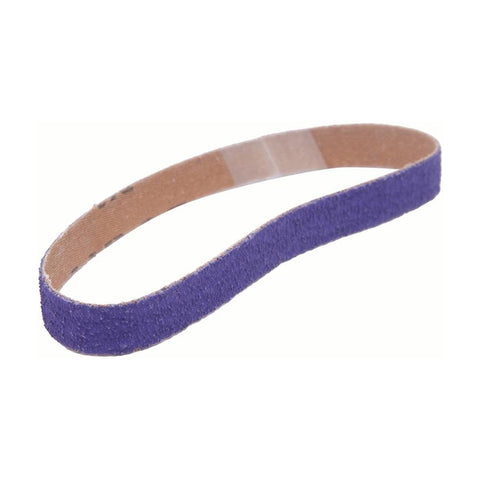 1/2" x 12" COOLCUT XX File Belt, 60 Grit
 1" x 1" A-38 Mounted Point, A-36 for Mild Steel, 1/4" Shank
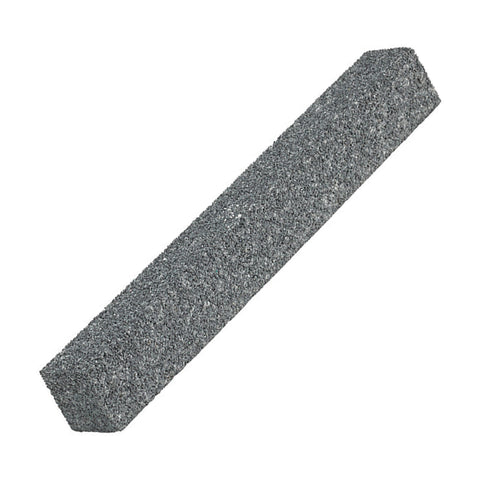 8" x 1" Dressing Stone, 24 Grit Aluminum Oxide
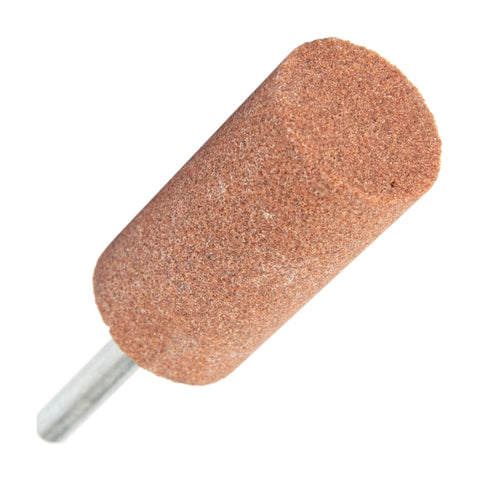 1" x 2" W-222 Mounted Point, A-60 for Tough Steel, 1/4" Shank
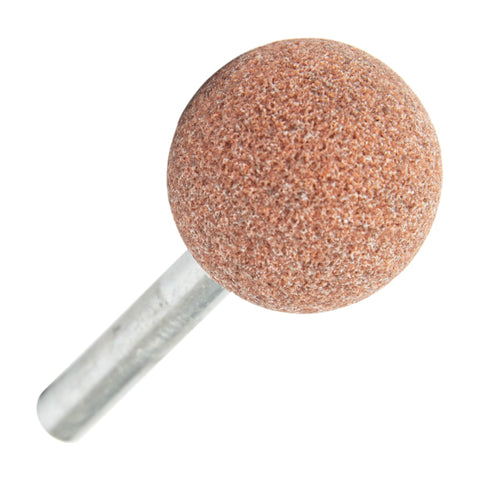 1" x 1" A-25 Mounted Point, A-60 for Tough Steel, 1/4" Shank
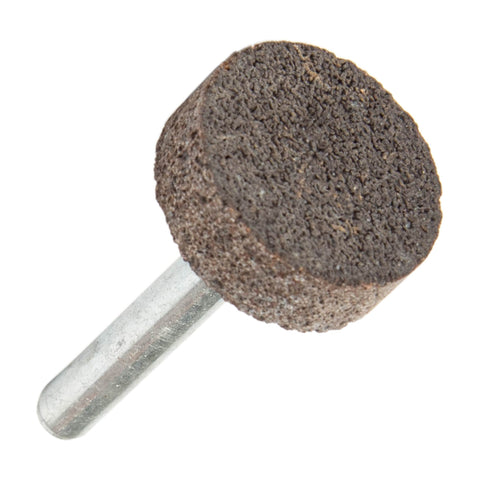 1" x 3/8" W-217 Mounted Point, A-36 for Stainless Steel, 1/4" Shank
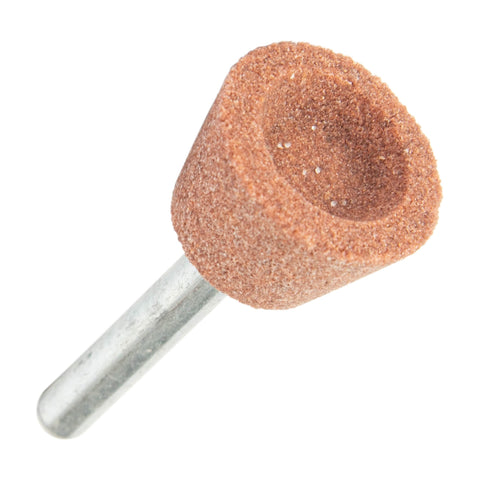 1" x 5/8" A-32 Mounted Point, A-60 for Tough Steel, 1/4" Shank
 1" x 2" W-222 Mounted Point, A-36 for Mild Steel, 1/4" Shank
 11/16" x 1-1/4" A-12 Mounted Point, A-36 for Mild Steel, 1/4" Shank
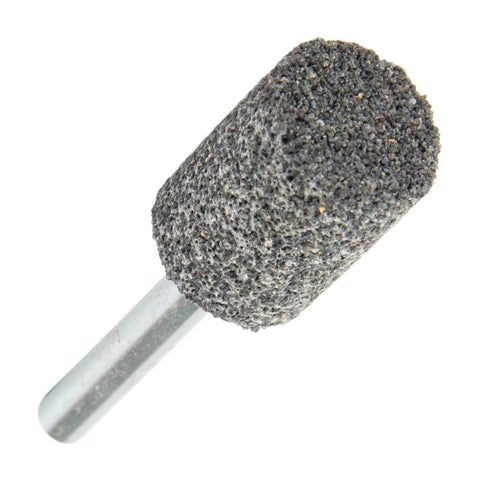 3/4" x 1" W-205 Mounted Point, A-36 for Mild Steel, 1/4" Shank
 3/4" x 1-1/8" A-5 Mounted Point, A-36 for Stainless Steel, 1/4" Shank
 3/4" x 1-1/8" A-5 Mounted Point, A-60 for Tough Steel, 1/4" Shank
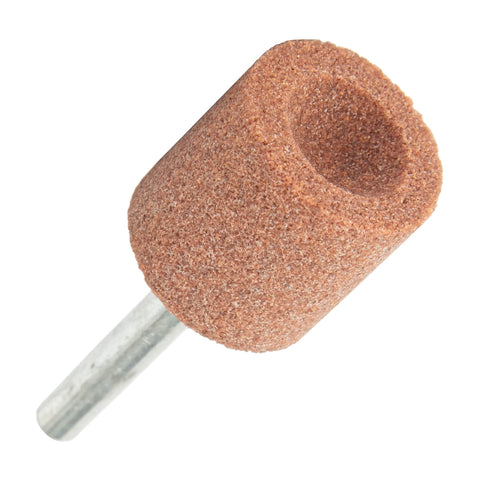 3/8" x 1-1/4" W-179 Mounted Point, A-36 for Mild Steel, 1/4" Shank
 For Angle Grinders117 products
 For Circular Saws12 products
 For Cut-Off Saws4 products
 For Tile Saws1 product
 For Masonry Saws4 products
 For Walk-Behind Saws4 products
4-1/2" x 5/32" x 7/8" PIPEFITTER Grinding Wheel, Type 27
 7" x 5/64" x 7/8" ALLSTEEL Cut-Off Wheel, Type 27
 4-1/2" x 1/8" x 5/8"-11 HP XX Hubbed Grinding Wheel, Type 27S
 1-1/8" Knot-Twisted Wire Mounted End Brush, 1/4" Shank, .020" Stainless Steel
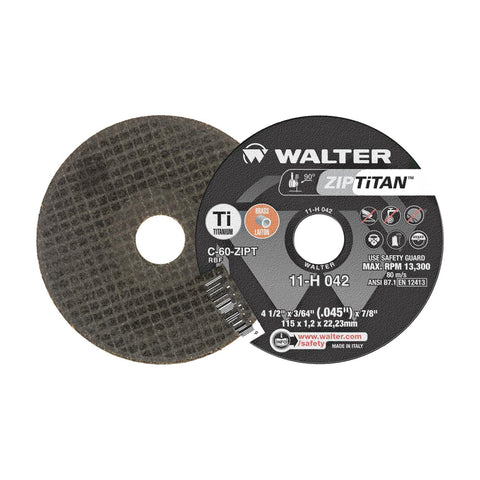 4-1/2" x 3/64" x 7/8" ZIP TITAN Cut-Off Wheel, Type 1
 3/4" x 1-1/2" W-207 Mounted Point, A-36 for Stainless Steel, 1/4" Shank
Flap Disc vs Grinding Wheel on a WeldGuide · Foundation & Basement Repair
Which Grinding Wheel for Angle Grinder WorkGuide · Foundation & Basement Repair
Cut Off Wheels: .045 vs 1/16 vs 1/8, and Stainless-SafeGuide · Electrical
Which Grinding Wheel for Angle Grinder WorkGuide · Foundation & Basement Repair
Flap Disc vs Grinding Wheel on a WeldGuide · Foundation & Basement Repair
Which Grinding Wheel for Angle Grinder WorkGuide · Foundation & Basement Repair
Diamond Blades: Segmented, Turbo, Continuous Rim, Which SawGuide · Electrical
Foundation Repair Tools: What Crews Need, Step by StepGuide · Foundation & Basement Repair
Diamond Blades: Segmented, Turbo, Continuous Rim, Which SawGuide · Electrical
Cut Off Wheels: .045 vs 1/16 vs 1/8, and Stainless-SafeGuide · Electrical
Diamond Blades: Segmented, Turbo, Continuous Rim, Which SawGuide · Electrical
Cut Off Wheels: .045 vs 1/16 vs 1/8, and Stainless-SafeGuide · Electrical
Diamond Blades: Segmented, Turbo, Continuous Rim, Which SawGuide · Electrical
Cut Off Wheels: .045 vs 1/16 vs 1/8, and Stainless-SafeGuide · Electrical
Diamond Blades: Segmented, Turbo, Continuous Rim, Which SawGuide · Electrical
Cut Off Wheels: .045 vs 1/16 vs 1/8, and Stainless-SafeGuide · Electrical
 Band Saw Blades
15
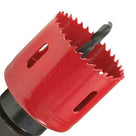 Hole Saws
170
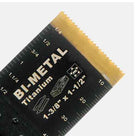 Oscillating Blades
8
 Reciprocating Saws
72
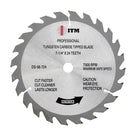 Circular Saw Blades
17
 For Milwaukee11 products
 For DeWalt9 products
 For Makita9 products
 For Bosch2 products
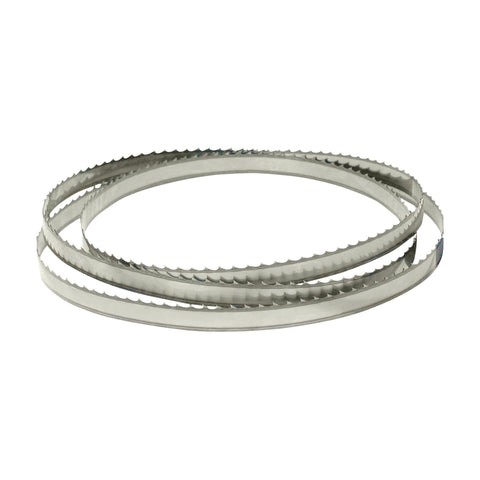 Deep Cut 44-7/8" (All Brands)5 products
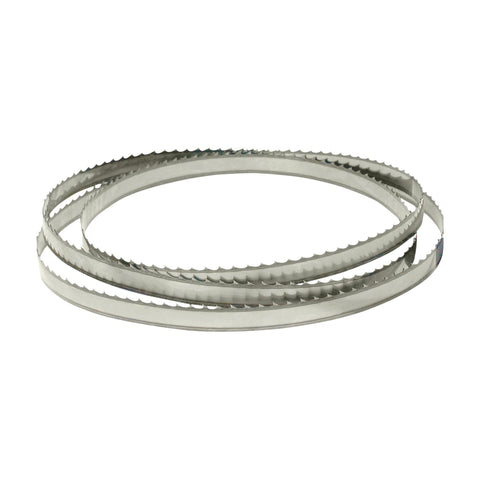
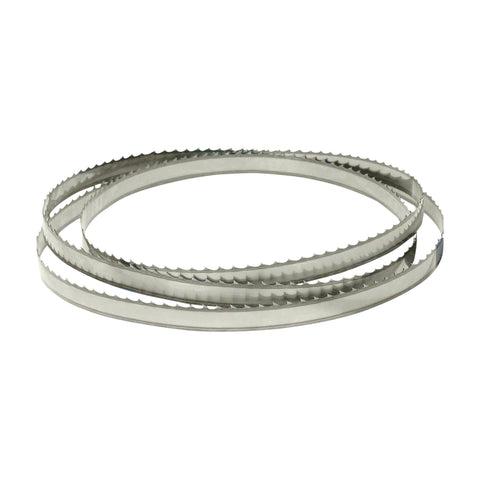 32-7/8" x 1/2" 14/18 TPI Bi-Metal Portable Band Saw Blade, Pack of 3
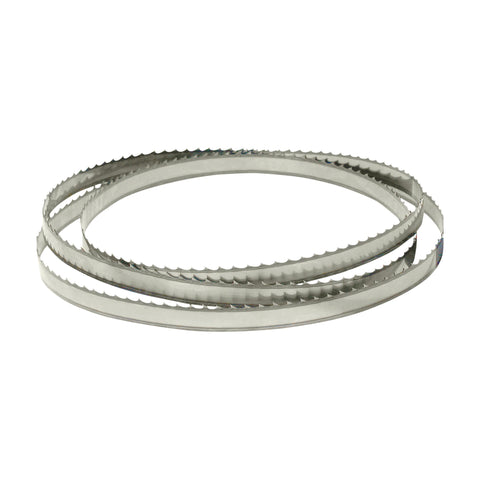 32-7/8" x 1/2" 18 TPI Bi-Metal Portable Band Saw Blade, Pack of 3
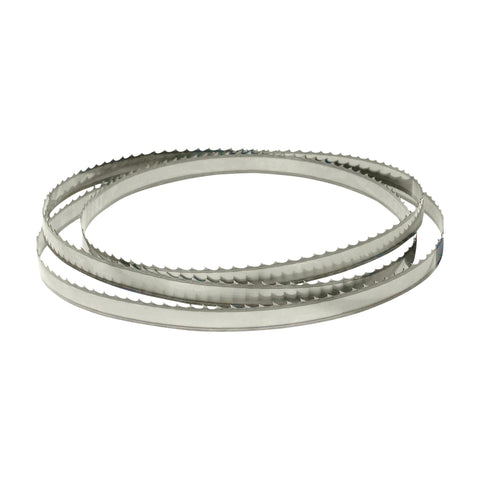 44-7/8" x 1/2" 10/14 TPI Bi-Metal Portable Band Saw Blade, Pack of 3
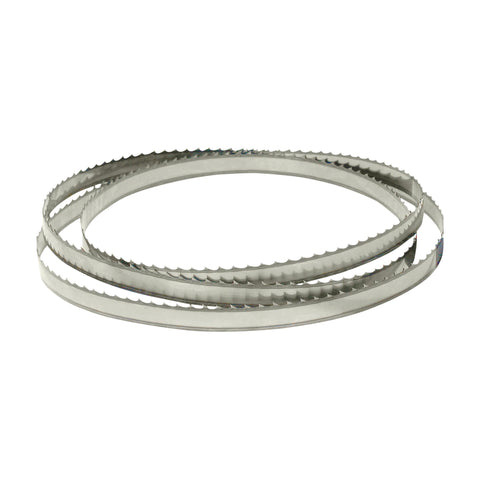 30-9/16" x 1/2" 14/18 TPI Bi-Metal Portable Band Saw Blade, Pack of 3
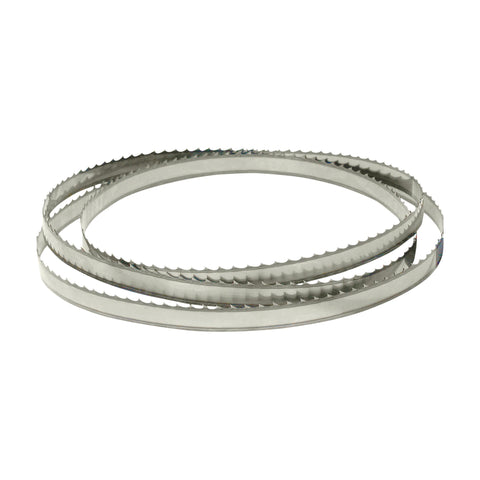 28-13/16" x 1/2" 18 TPI Bi-Metal Portable Band Saw Blade, Pack of 3
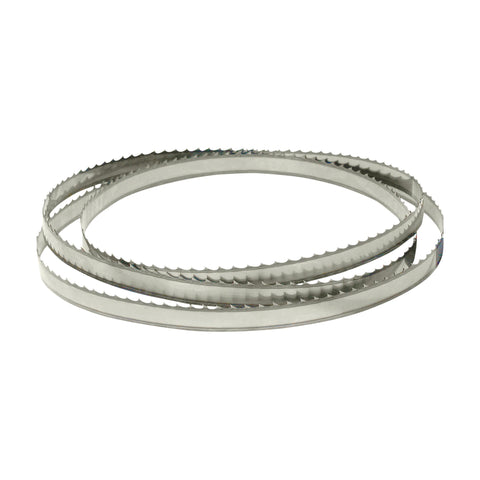 44-7/8" x 1/2" 14/18 TPI Bi-Metal Portable Band Saw Blade, Pack of 3
 Bi-Metal58 products
 Carbide Grit54 products
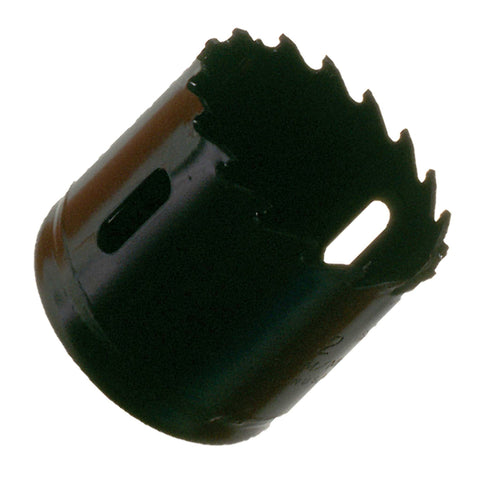 Carbide Tipped48 products
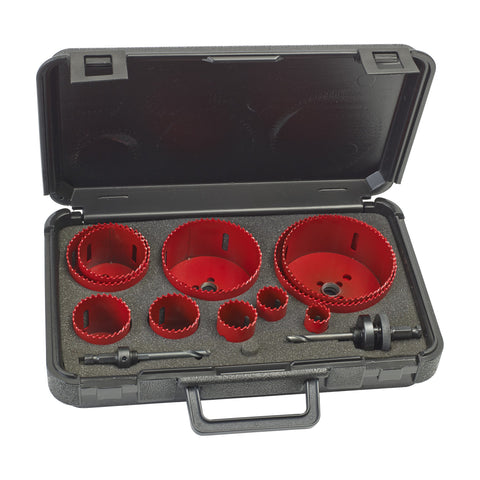 Arbors, Adapters & Kits10 products
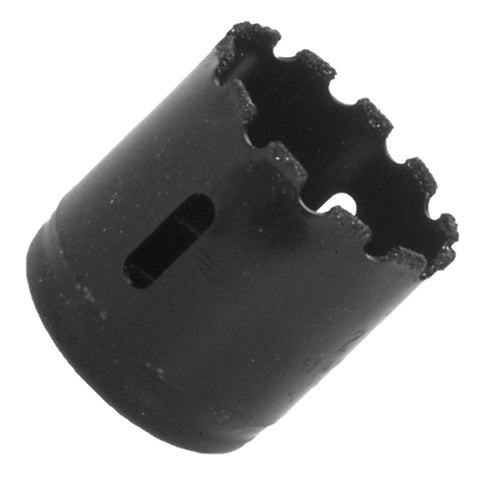 Sierras de corona con grano de carburo de 1-1/8" (28,8 mm)
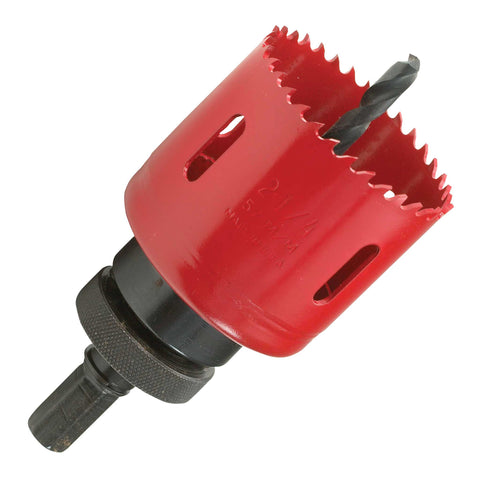 Sierra de corona de paso variable bimetálica de 45 mm (45,0 mm)
 Sierras de corona con grano de carburo de 1-5/8" (41,2 mm)
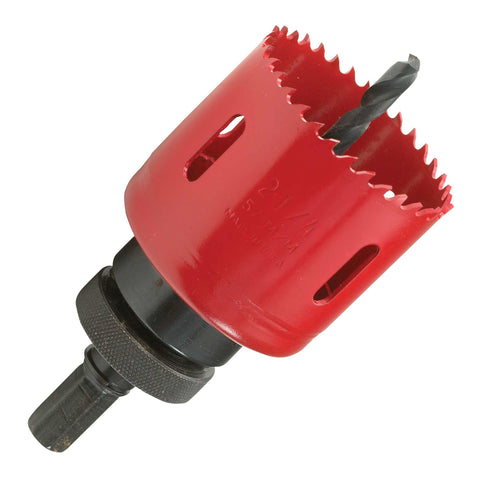 Sierra de corona de paso variable bimetálica de 3-1/2" (88,9 mm)
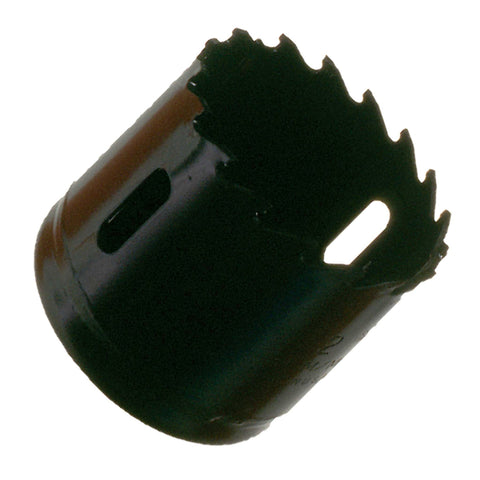 Sierras de corona con punta de carburo de 7/8" (22,2 mm)
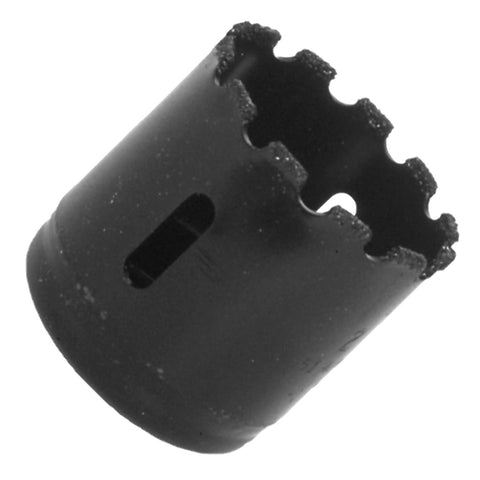 Sierras de corona con grano de carburo de 5" (127,0 mm)
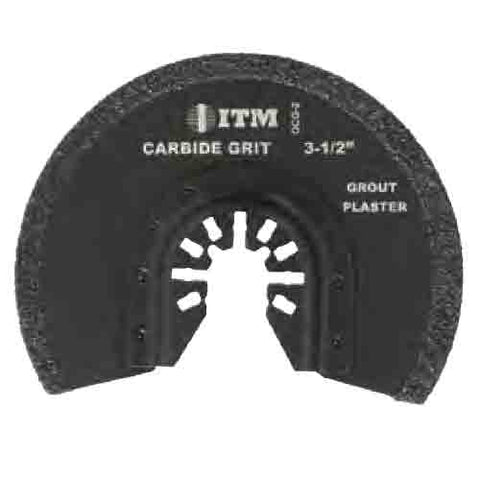 Carbide Oscillating Blade for Grout - 3-1/2" (10 pack)
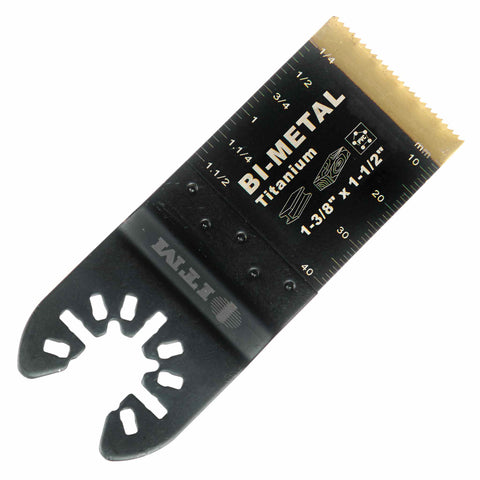 Oscillating Blades for Metal - Open Shank - 1-3/8" x 1-1/2" (10 pack)
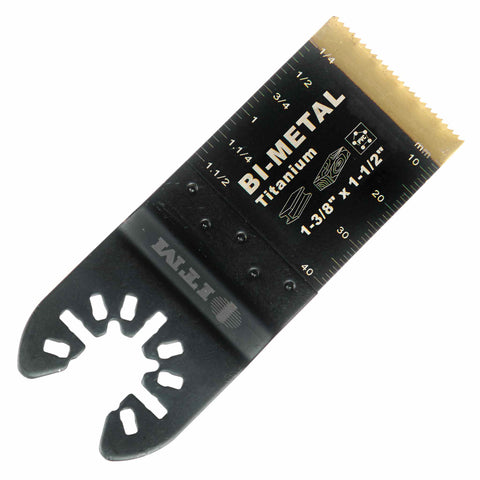 Oscillating Blades for Metal - Open Shank - 1-3/8" x 1-1/2" (5 pack)
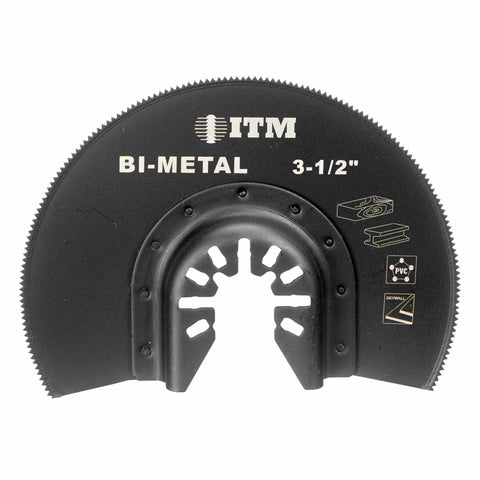 Oscillating Blades for Drywall - Open Shank - 3-1/2" (10 pack)
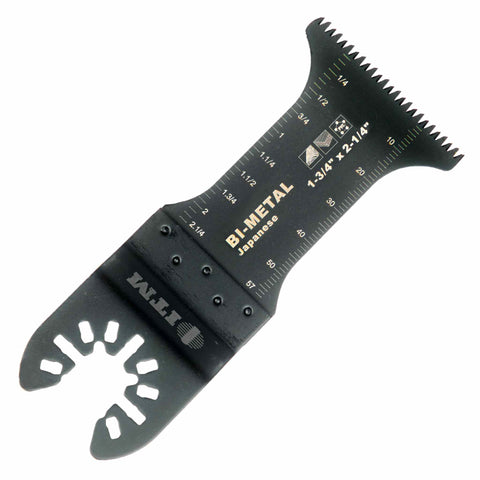 Oscillating Blades for Wood - Open Shank - 1-3/4" x 2-1/4" (10 pack)
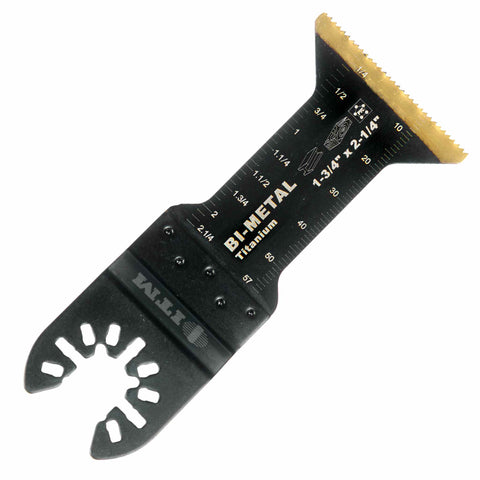 Oscillating Blades for Metal - Open Shank - 1-3/4" x 2-1/4" (5 pack)
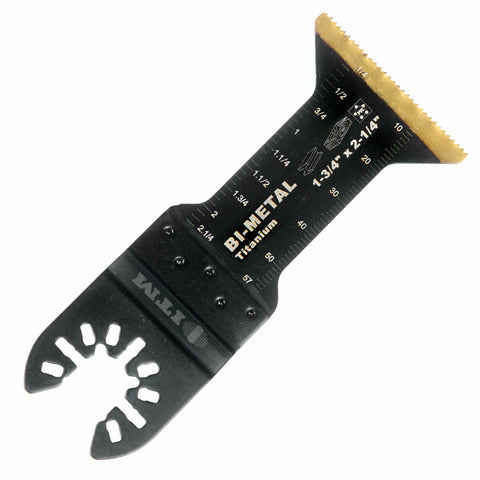 Oscillating Blades for Metal - Open Shank - 1-3/4" x 2-1/4" (10 pack)
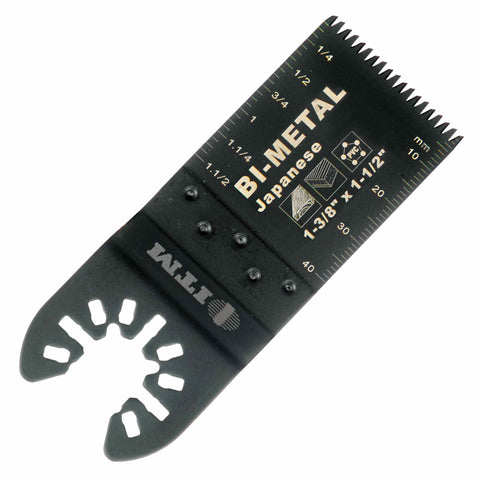 Oscillating Blades for Wood - Open Shank - 1-3/8" x 1-1/2" (10 pack)
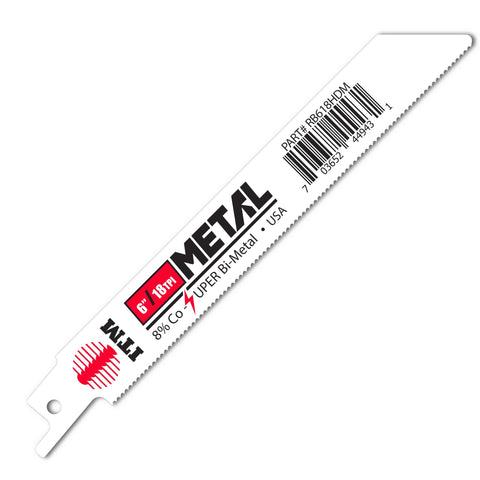 Recipientes metálicos de 6" (18T) (paquete de 50)
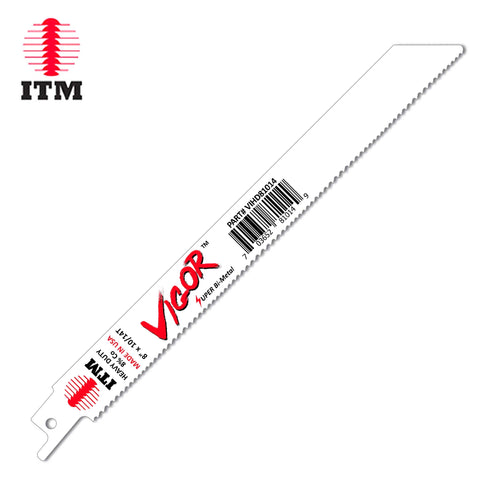 6" x 3/4" x 0,050" HD Recip. 10/14T - (paquete de 50)
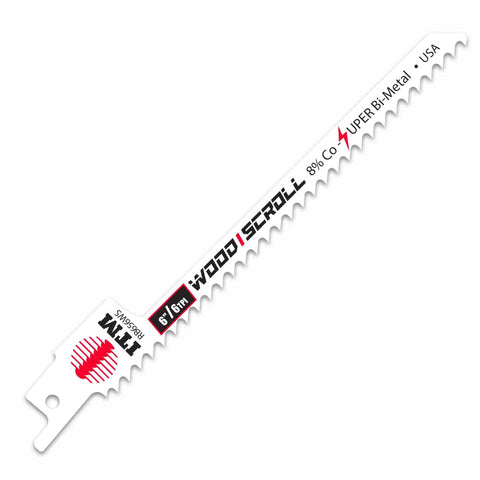 Recetas para pergaminos de madera y clavos de 6" (6T) (paquete de 50)
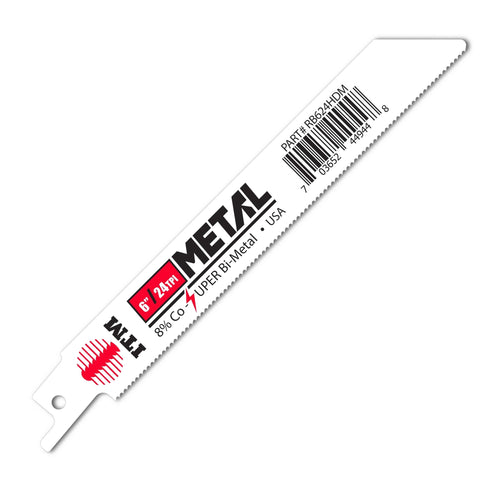 Recipientes metálicos de 6" (24 dientes) (paquete de 50)
 Recipientes para demolición de 6" (6T) (paquete de 3)
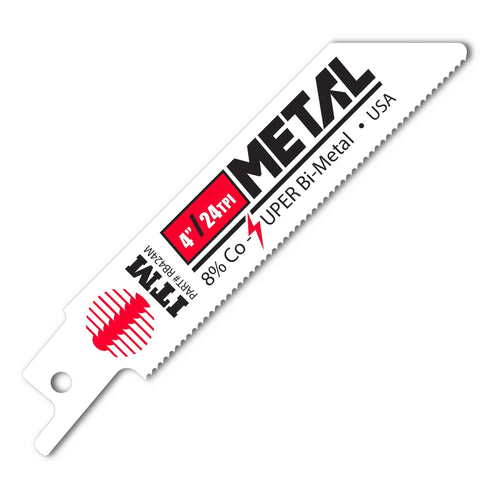 Recipientes metálicos de 4" (24 dientes) (paquete de 5)
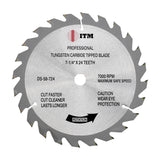
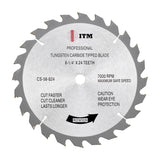
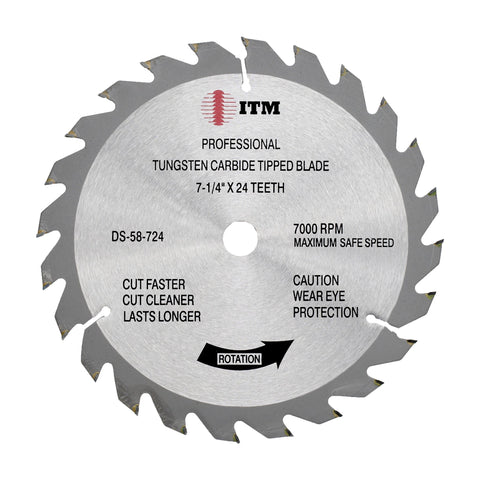 7-1/4" x 24T Carbide Tipped Circular Saw Blade
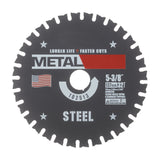
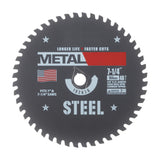
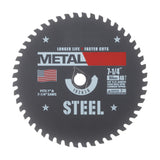
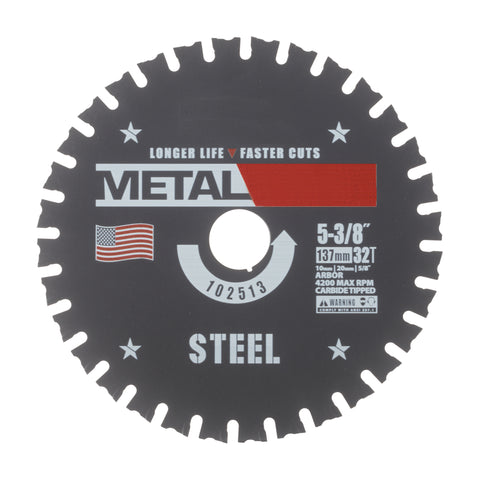 5-3/8" x 32T Metal-Cutting Circular Saw Blade for Steel
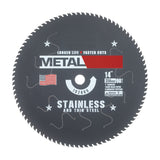
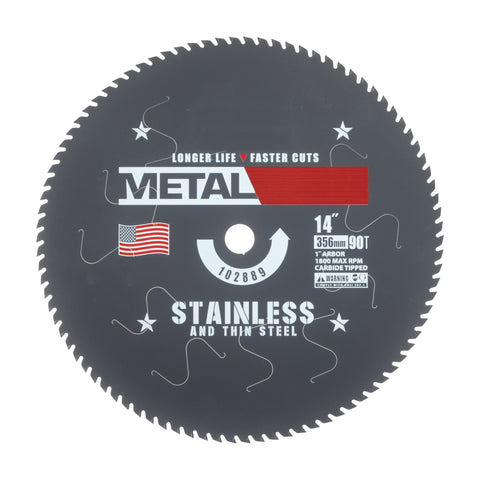 14" x 90T Metal-Cutting Circular Saw Blade for Stainless Steel
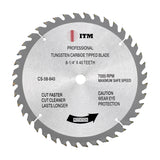
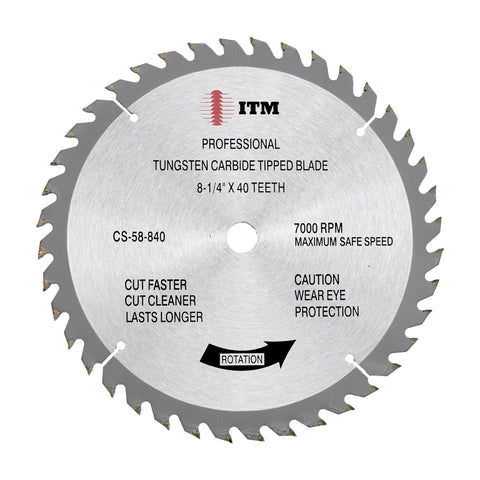 8-1/4" x 40T Carbide Tipped Circular Saw Blade
 5-3/8" x 32T Metal-Cutting Circular Saw Blade for Steel, Box of 10
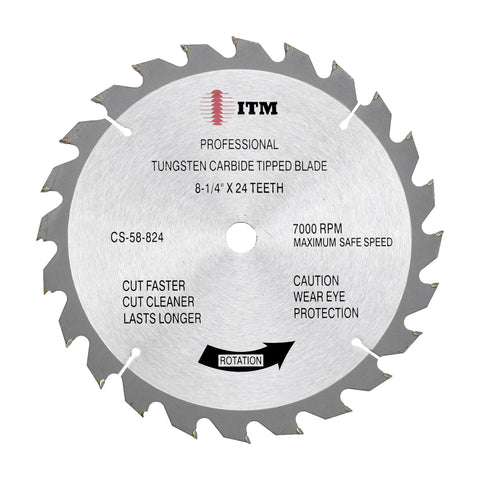 8-1/4" x 24T Carbide Tipped Circular Saw Blade
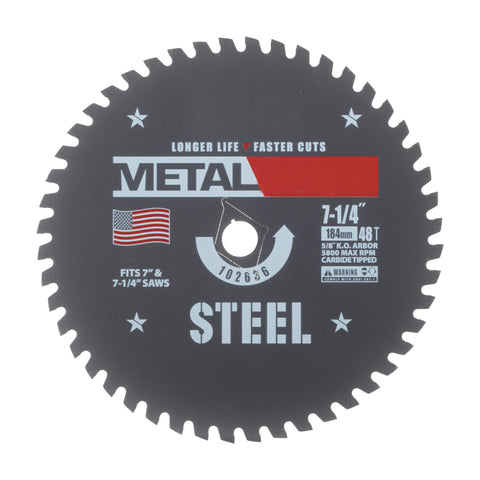 7-1/4" x 48T Metal-Cutting Circular Saw Blade for Steel, 5/8" Arbor, Box of 10
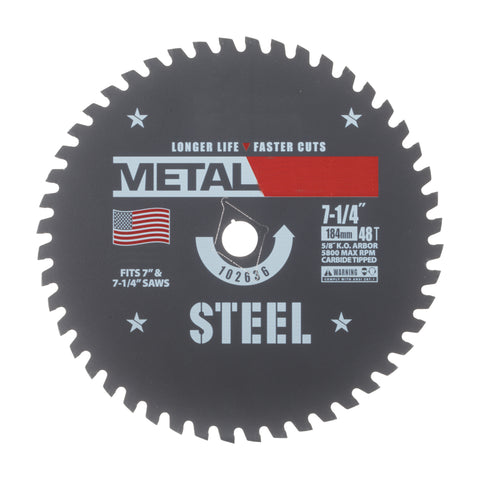 7-1/4" x 48T Metal-Cutting Circular Saw Blade for Steel, 20mm Arbor
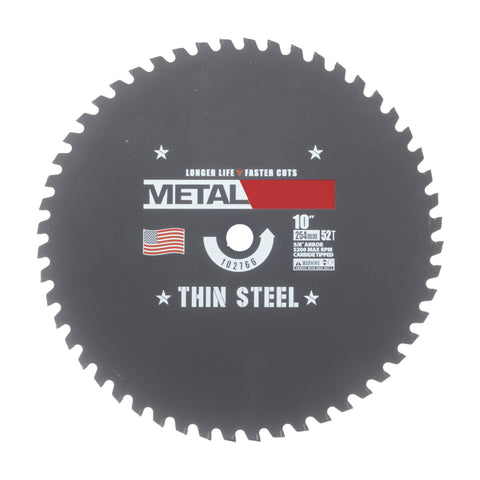 10" x 52T Metal-Cutting Circular Saw Blade for Thin Steel
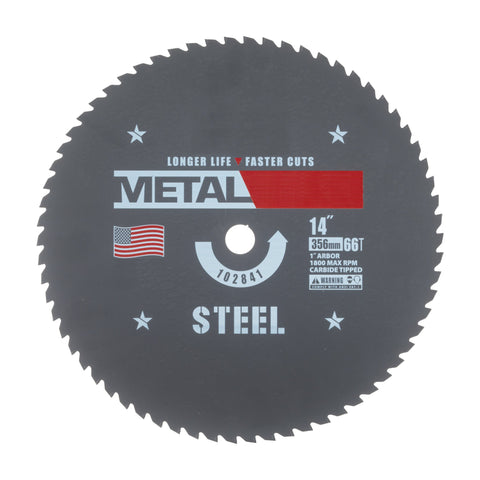
 14" x 66T Metal-Cutting Circular Saw Blade for Steel
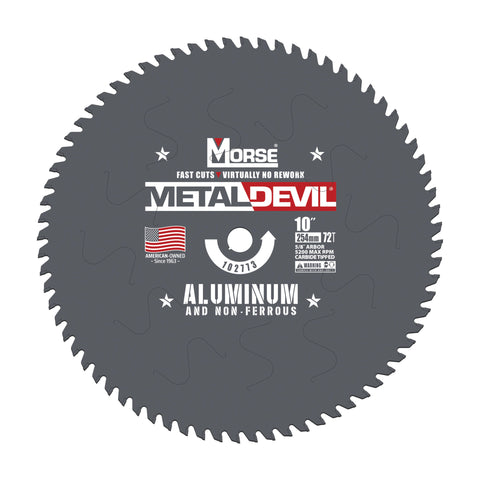 10" x 72T Metal-Cutting Circular Saw Blade for Aluminum
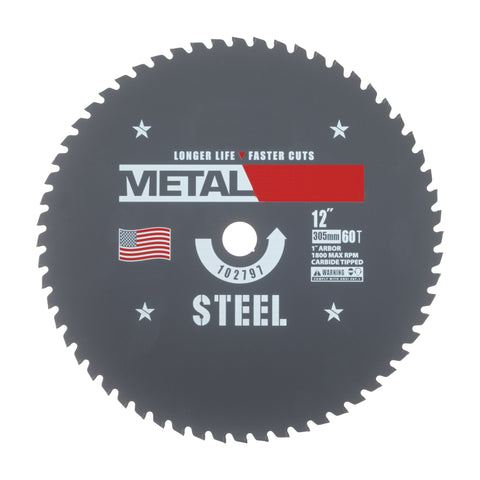 12" x 60T Metal-Cutting Circular Saw Blade for Steel
 Portable Band Saw Blade Sizes: Which Blade Fits Your SawGuide · Electrical
 Metal-Cutting Circular Saw Blades: Teeth, Dry-Cut, What FitsGuide · Electrical
Drill Speed Chart: The Right RPM, and Why Heat Kills BitsGuide · Metal Fabrication
Types of Drill Bits Explained: Which Bit for Which MaterialGuide · Electrical
Metal-Cutting Circular Saw Blades: Teeth, Dry-Cut, What FitsGuide · Electrical
Portable Band Saw Blade Sizes: Which Blade Fits Your SawGuide · Electrical
 Bit Tips
159
 Bit Tip Holders
18
 Magnetic Nut Setters
33
 Adapters
13
 Cleaners & Degreasers
17
 Welding Chemicals
5
 Respiratory Protection
75
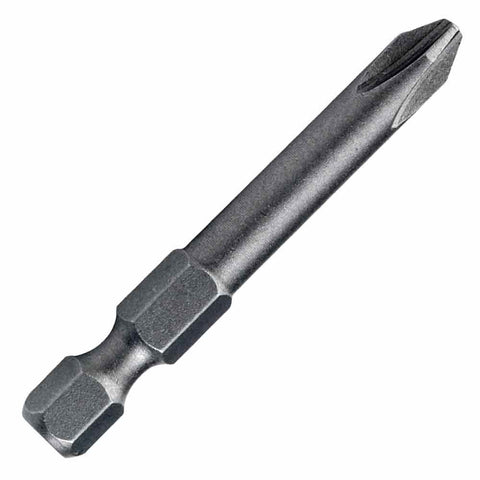 Phillips45 products
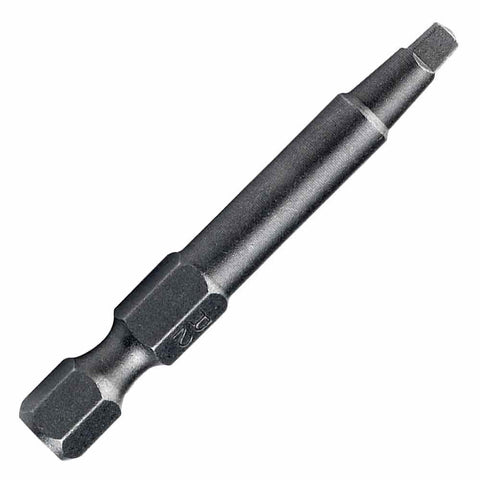 Square25 products
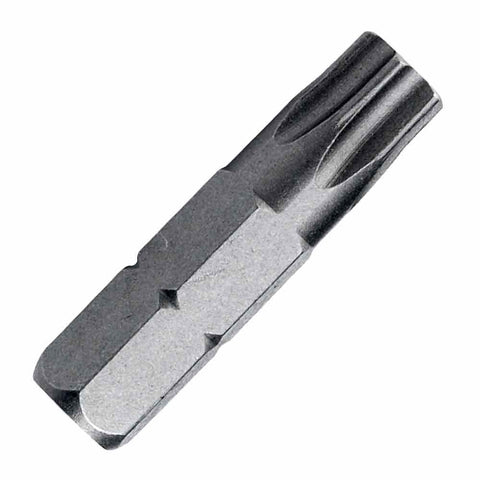 Torx / Star30 products
 Slotted10 products
 Hex9 products
 Pozidriv7 products
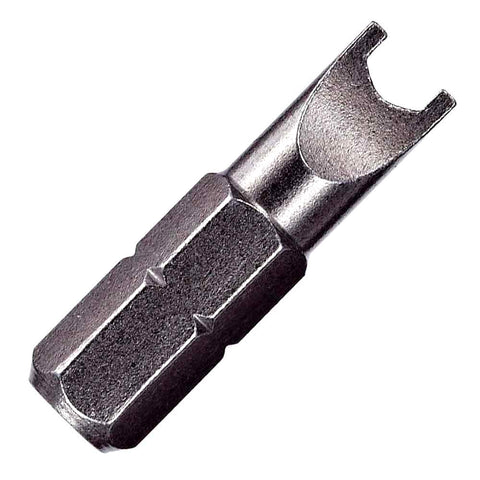 Tamper-Proof & Specialty33 products
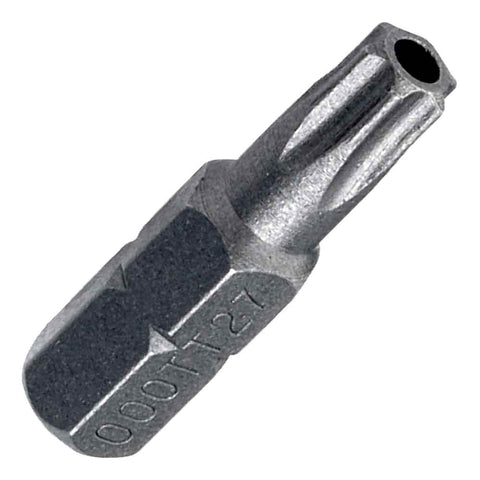 Puntas de apisonamiento Torx T55 x 1-1/4" (paquete de 25)
Puntas de potencia cuadradas n.° 3 x 2-3/4" (paquete de 25)
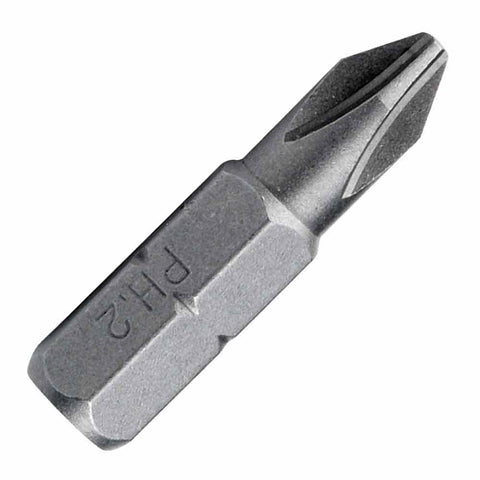 Puntas de inserción Phillips n.° 0 x 1", vástago hexagonal de 1/4" (paquete de 25)
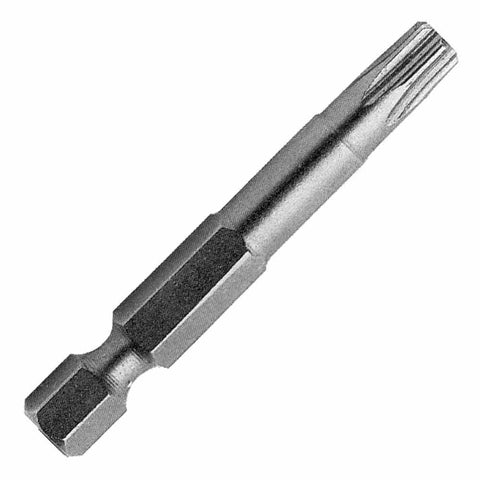 Puntas Torx T27 x 2" (paquete de 25)
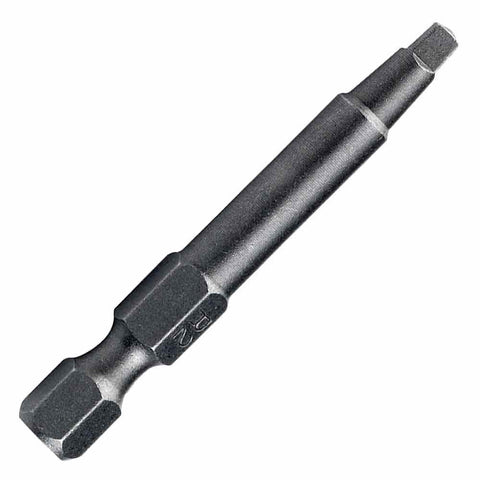 Puntas de potencia cuadradas n.° 2 x 6" (paquete de 25)
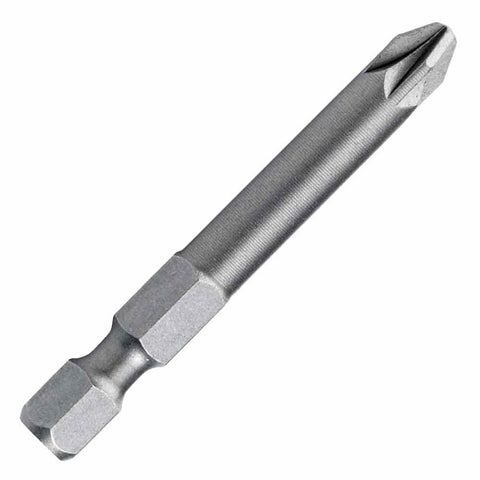 Puntas de potencia Posidrive n.° 1 x 2" (paquete de 25)
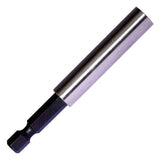
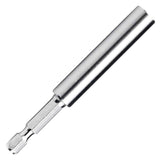
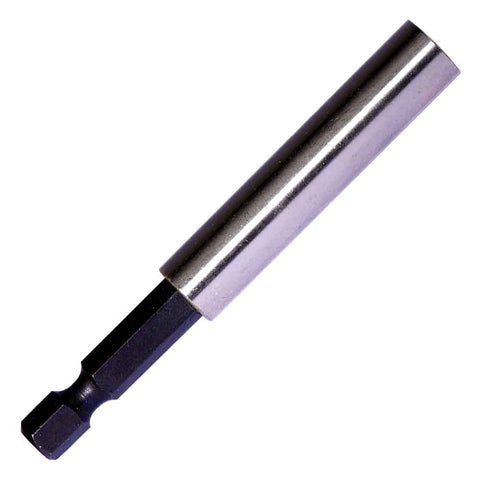 Portapuntas magnético de 3"
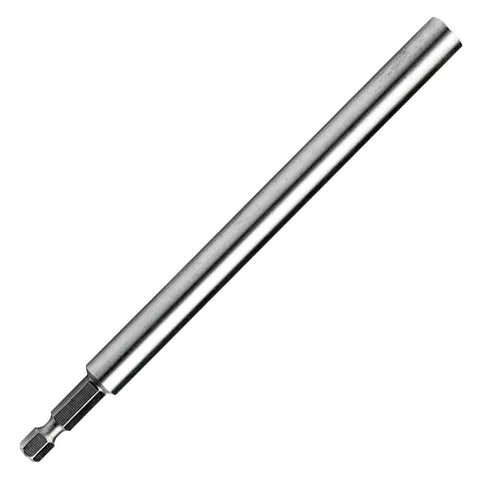 Portapuntas magnético de 6"
 Portapuntas magnético de 1-3/4"
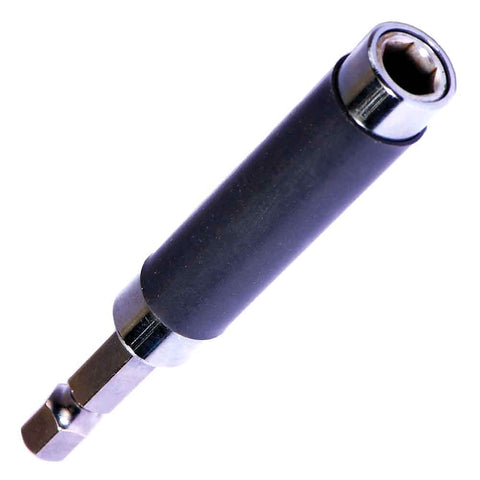 Portapuntas magnético guiado con funda de 5"
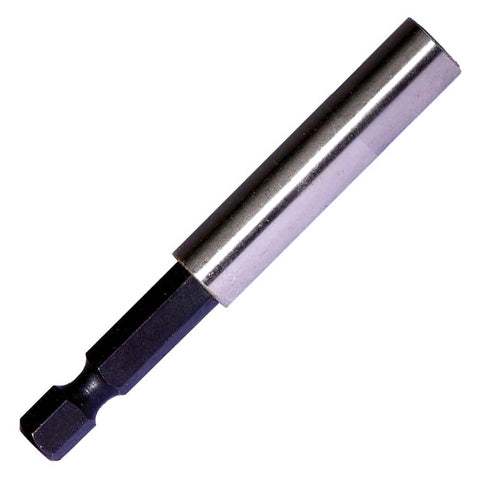 Portabrocas magnético de 2-5/8"
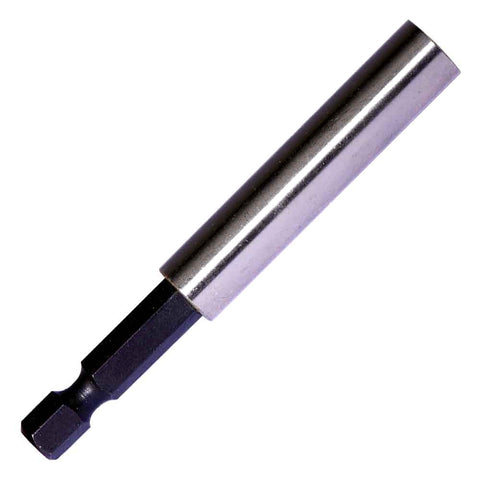 Portapuntas magnético de 3"
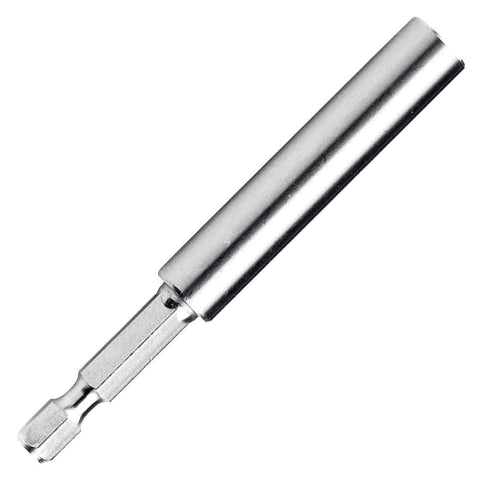 Portapuntas magnético de 4" con anillo
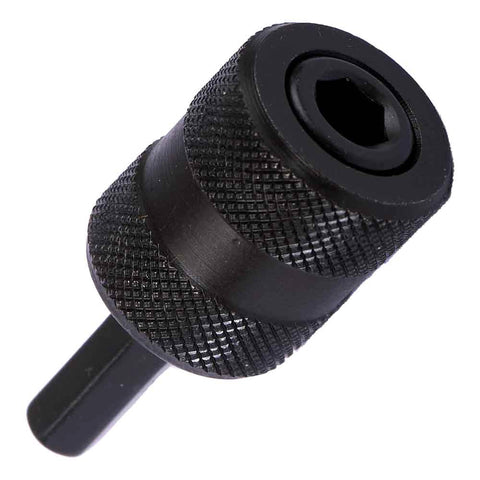 Portapuntas magnético de metal/con resorte
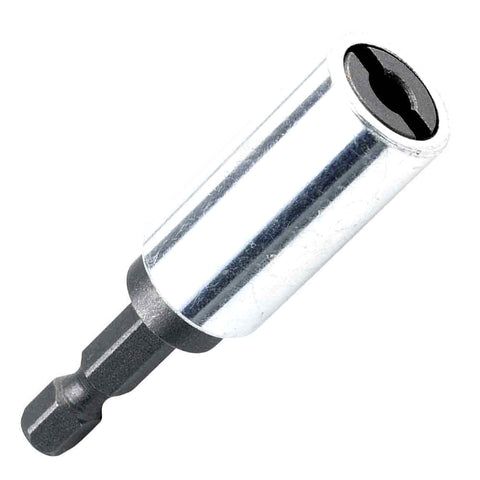 Destornillador de 7/16" con manguito
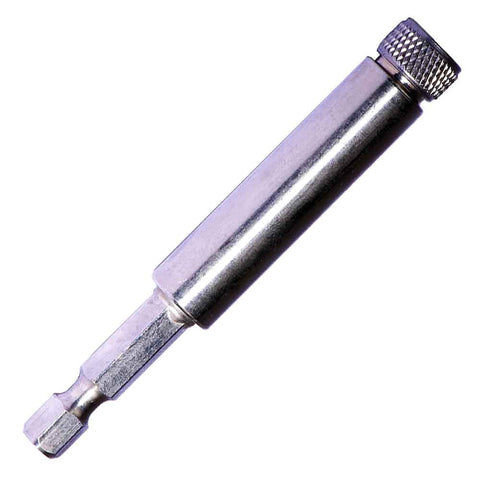 Portapuntas magnético roscado de 3"
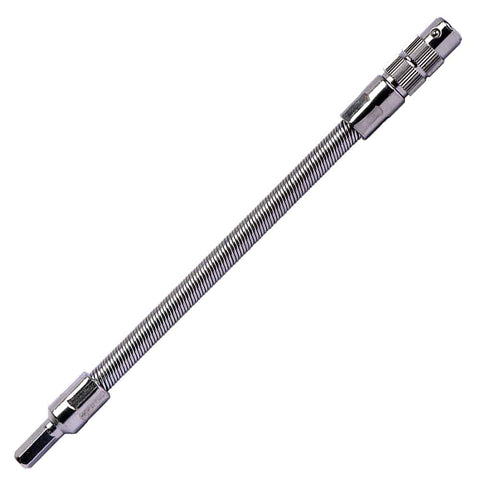 Portapuntas magnético flexible de 7-1/4"
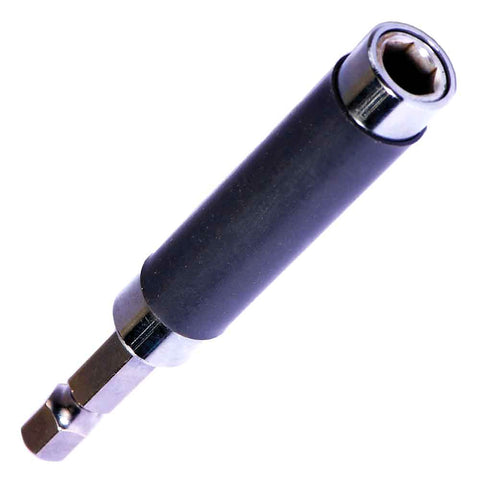 Portapuntas magnético guiado con funda de 3"
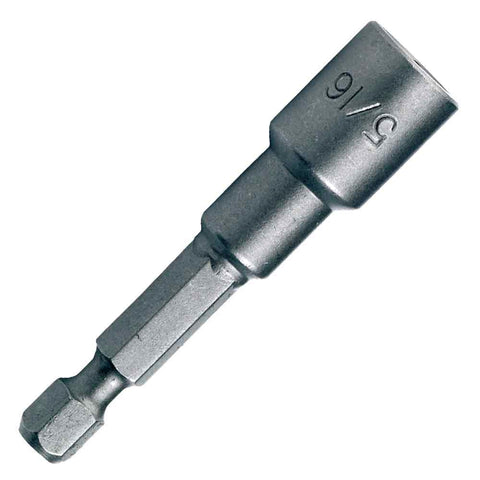 Aprietatuercas magnético de 3/8" x 2-1/8" (paquete de 10)
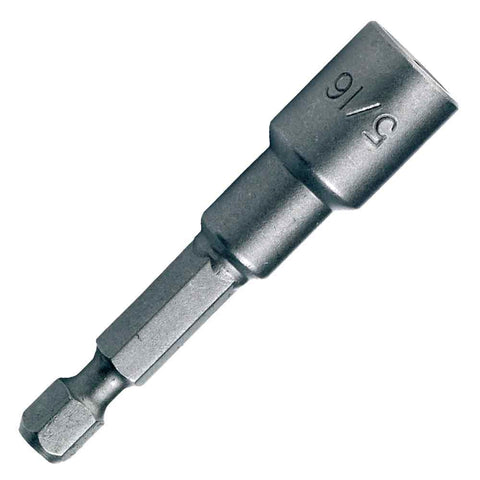 Aprietatuercas magnético de 1/4" x 4" (paquete de 5)
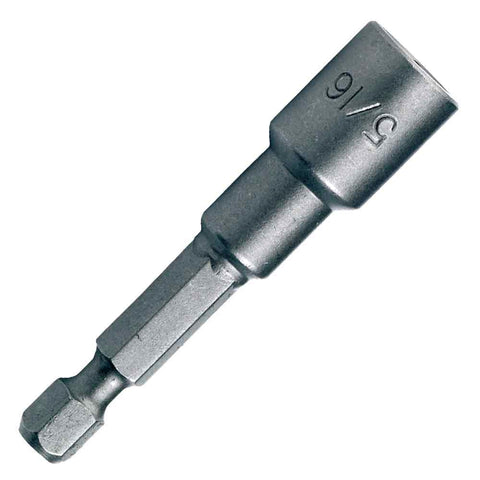 Aprietatuercas magnético de 7/16" x 1-3/4" (paquete de 5)
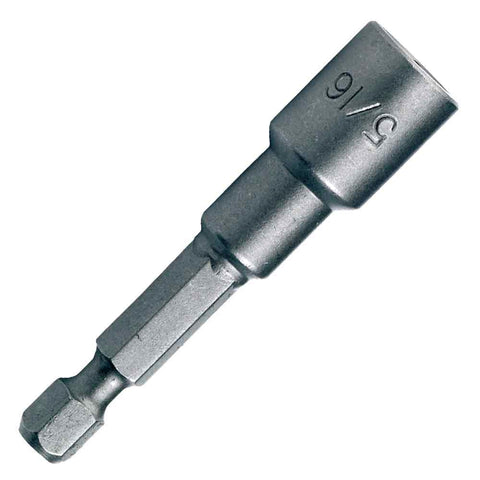 Aprietatuercas magnético de 5/16" x 1-3/4" (paquete de 10)
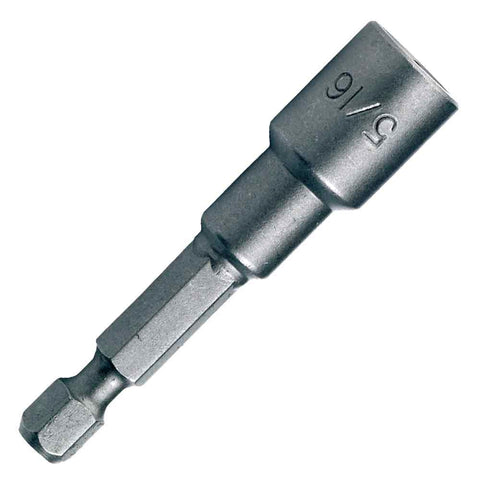 Aprietatuercas magnético de 1/4" x 1-3/4" (paquete de 10)
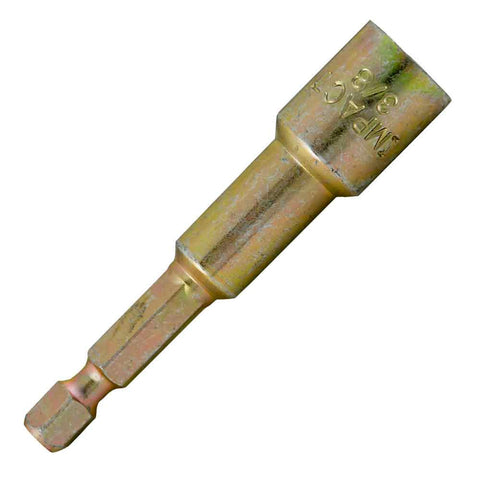 Aprietatuercas de impacto magnético de 3/8" x 1-3/4" (paquete de 10)
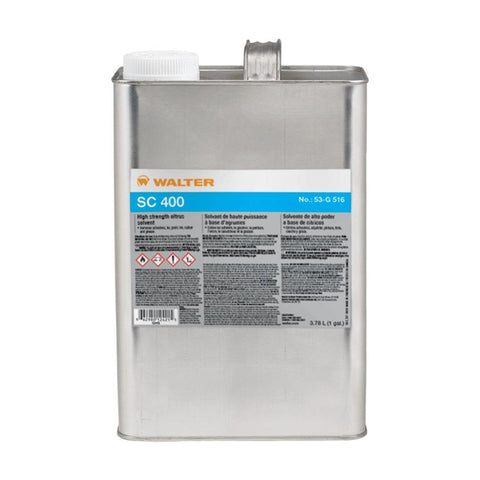 SC 400 High-Strength Citrus Degreaser, 3.78 L (1 gal) Jug
 BIO-RUST Rust and Mineral Remover, 500 mL (16.9 oz) Sprayer Bottle
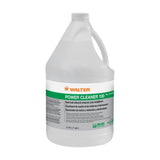
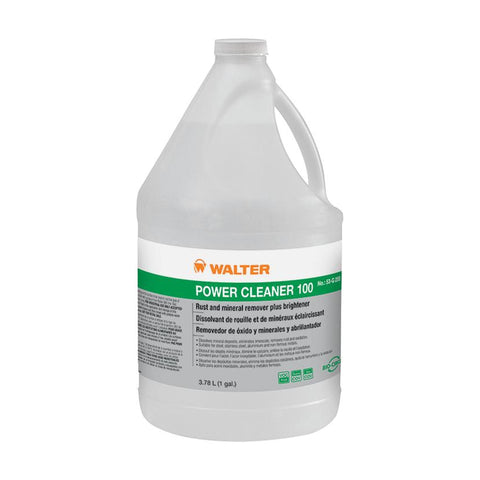 POWER CLEANER 100 Rust and Mineral Remover and Brightener, 3.78 L (1 gal) Jug
 CB 100 Ultra-Strength Parts Washing Solution, 500 mL (16.9 oz) Sprayer Bottle
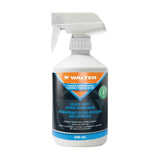
 Heavy-Duty Citrus Degreaser, Asphalt and Tar Remover, 500 mL (16.9 oz) Sprayer Bottle
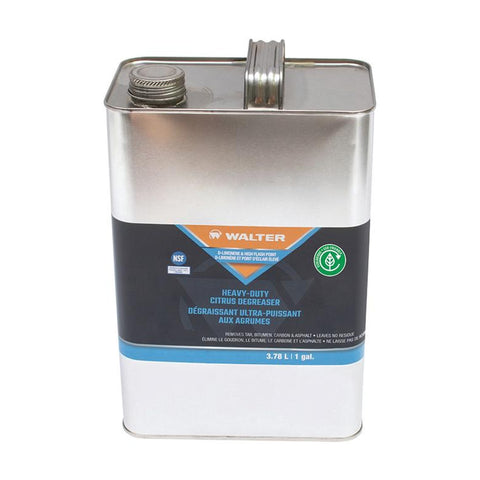 Heavy-Duty Citrus Degreaser, Asphalt and Tar Remover, 3.78 L (1 gal) Jug
 UNO S Concentrated Foaming Cleaner and Degreaser, 500 mL (16.9 oz) Sprayer Bottle
 ALL-SEASON All-Weather Tar and Bitumen Degreaser, 3.78 L (1 gal) Jug
 POWER CLEANER 100 Rust and Mineral Remover and Brightener, 500 mL (16.9 oz) Sprayer Bottle
 PRO CLEAN Natural Solvent Adhesive and Paint Remover, 500 mL (16.9 oz) Sprayer Bottle
 PRO CLEAN Natural Solvent Adhesive and Paint Remover, 3.78 L (1 gal) Jug
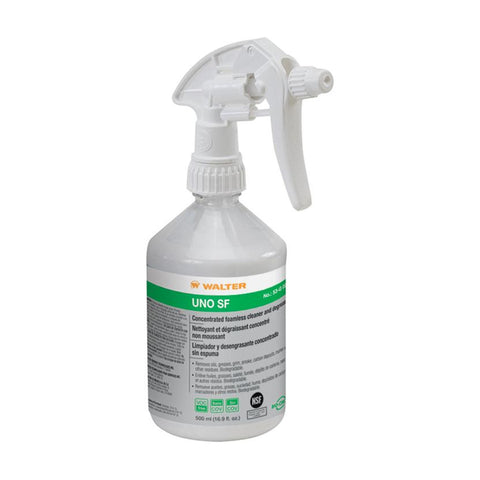 UNO SF Concentrated Foamless Cleaner and Degreaser, 500 mL (16.9 oz) Sprayer Bottle
 SPATTER BLOCK HT High-Temperature Anti-Spatter Solution, 3.78 L (1 gal) Jug
 SPATTER BLOCK Anti-Spatter Emulsion, 3.78 L (1 gal) Jug
 SPATTER BLOCK Anti-Spatter Emulsion, 500 mL (16.9 oz) Sprayer Bottle
 SPATTER BLOCK HT High-Temperature Anti-Spatter Solution, 500 mL (16.9 oz) Sprayer Bottle
 SPATTER BLOCK Anti-Spatter Gel for Welding Nozzles and Contact Tips, 200 g Canister
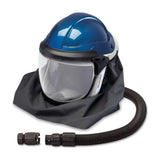
 Allegro Deluxe Supplied Air Shield/Helmet with Flow Control Valve
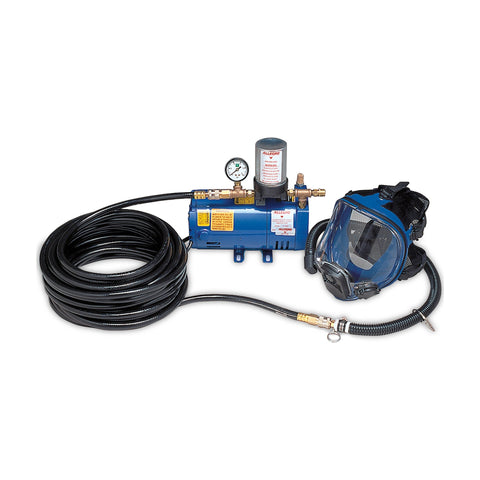
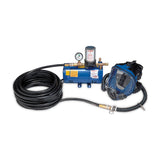
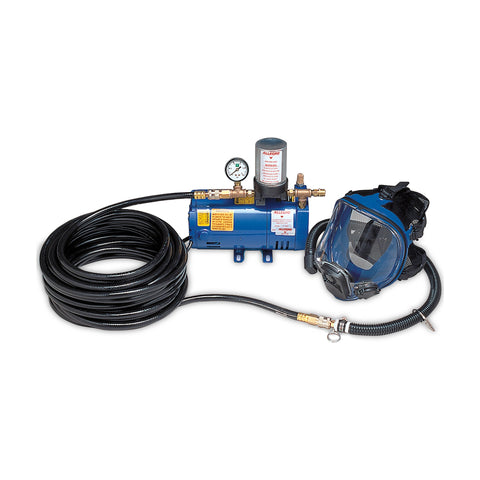 Allegro Full Mask Supplied-Air Respirator System, 1-Worker, 100' Hose
 Allegro Deluxe Supplied Air Shield/Helmet with Air Temperature Controller
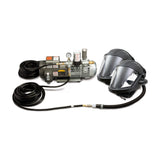
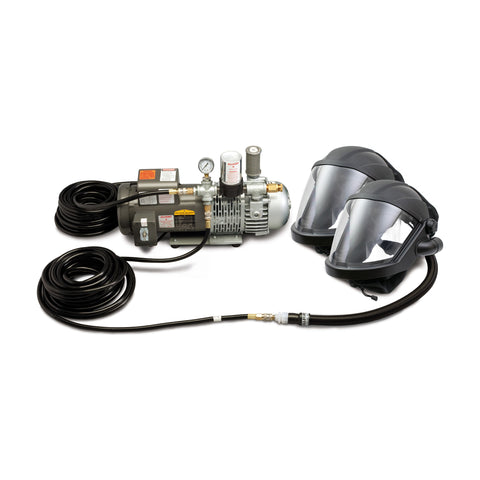 Allegro MAXSHIELD Supplied Air Shield System, 2-Worker, Two 50' Hoses
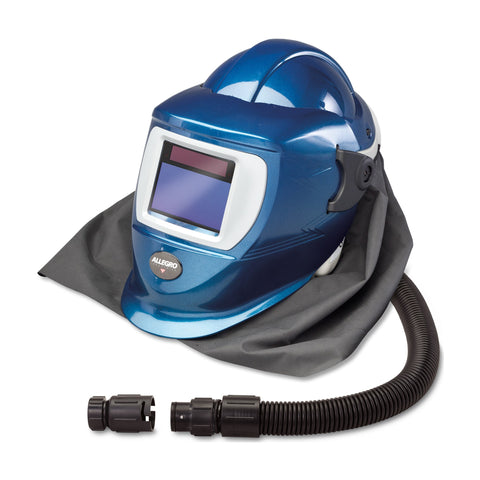 Allegro Deluxe Supplied Air Shield and Blue Welding Helmet (ADF Lens) with No Flow Valve
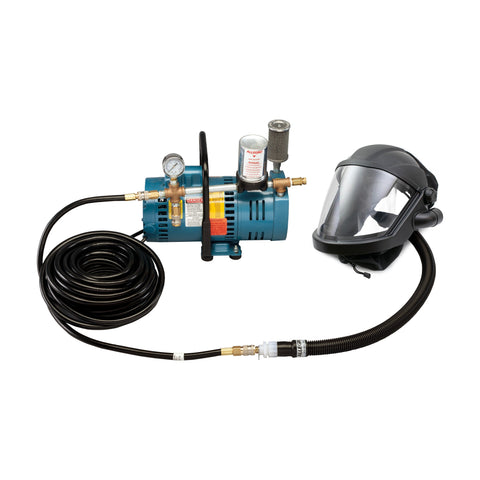 Allegro MAXSHIELD Supplied Air Shield System, 1-Worker, 50' Hose
 Allegro Deluxe Supplied Air Shield and Black Welding Helmet (#10 Lens) with No Flow Valve
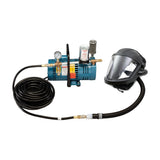
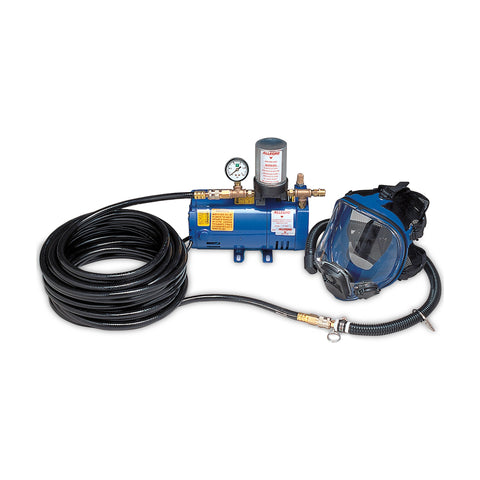 Allegro Full Mask Supplied-Air Respirator System, 1-Worker, 50' Hose
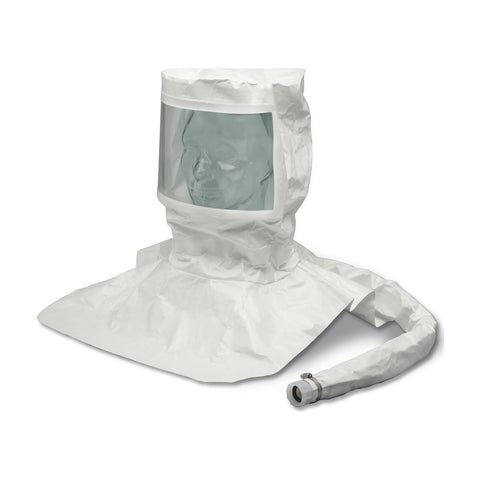 Allegro Maintenance Free Saran Hood Assembly with Low Pressure Flow Adapter and Suspension
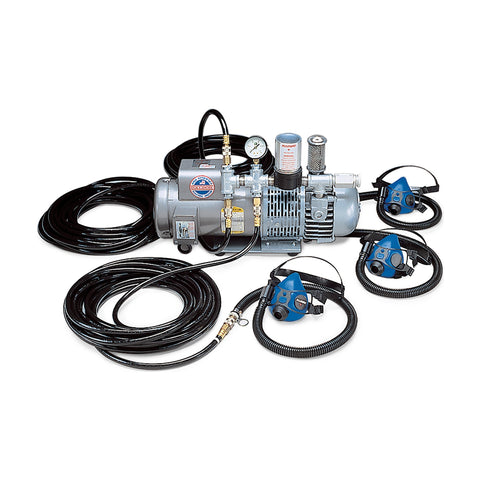 Allegro Half Mask Supplied-Air Respirator System, 3-Worker, Three 50' Hoses
 Allegro Replacement Maintenance Free Double Bib Tyvek Hood
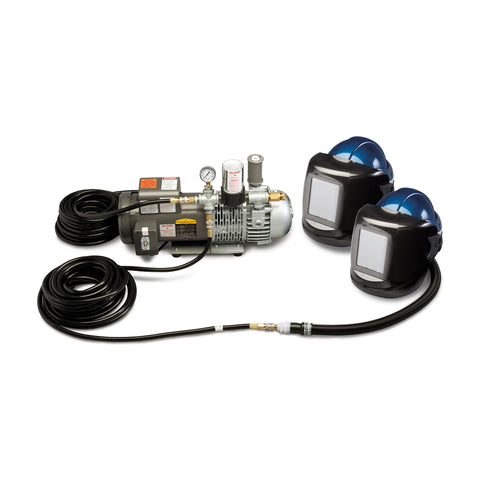 Allegro Deluxe Supplied Air Shield and Black Welding Helmet System, 2-Worker, Two 50' Hoses
 Impact vs Regular Bit Tips: Precision and PerformanceGuide
SDS Max Extension and Adapter Guide: What Breaks BitsGuide · Electrical
Impact vs Regular Bit Tips: Precision and PerformanceGuide
SDS Max Extension and Adapter Guide: What Breaks BitsGuide · Electrical
Impact vs Regular Bit Tips: Precision and PerformanceGuide
SDS Max Extension and Adapter Guide: What Breaks BitsGuide · Electrical
SDS Max Extension and Adapter Guide: What Breaks BitsGuide · Electrical
SDS Plus vs SDS Max: Which Shank for the JobGuide · Electrical
SDS Max Extension and Adapter Guide: What Breaks BitsGuide · Electrical
SDS Plus vs SDS Max: Which Shank for the JobGuide · Electrical
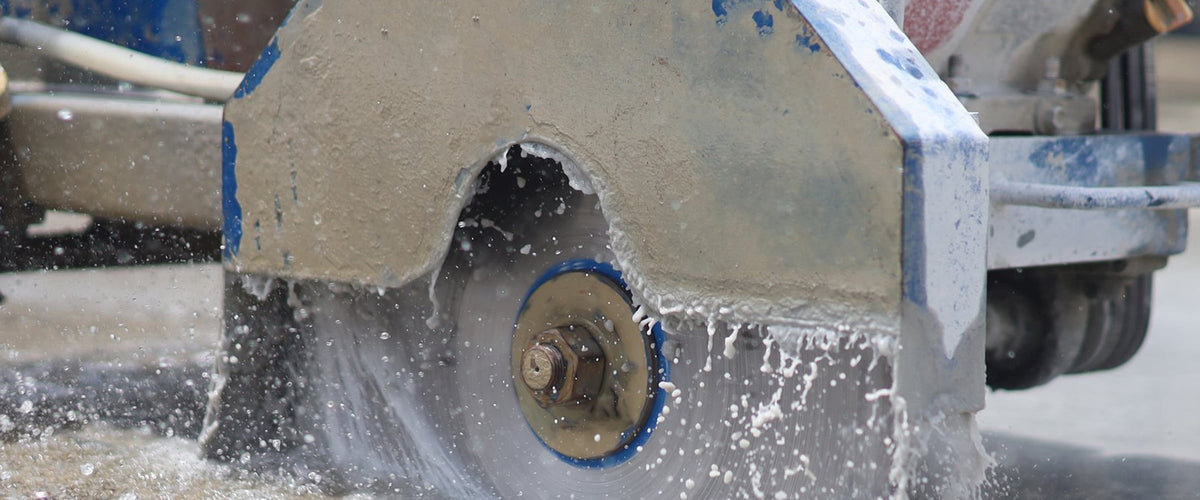
Segmented, turbo or continuous rim: the diamond blade for concrete, tile and stone, and the size that fits your grinder, tile saw or cut-...
Cut Off Wheels: .045 vs 1/16 vs 1/8, and Stainless-SafeGuide · Electrical
Flap Disc vs Grinding Wheel on a WeldGuide · Foundation & Basement Repair
Which Grinding Wheel for Angle Grinder WorkGuide · Foundation & Basement Repair
Drill Bits for Hardened Steel: Carbide-Tipped vs CobaltGuide · Foundation & Basement Repair
Metal-Cutting Circular Saw Blades: Teeth, Dry-Cut, What FitsGuide · Electrical
SDS Max Extension and Adapter Guide: What Breaks BitsGuide · Electrical
HomePor especialidadMetal Fabrication & Welding
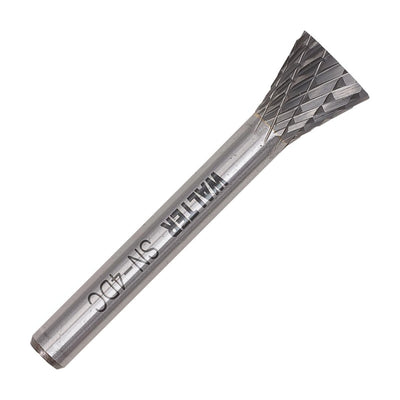
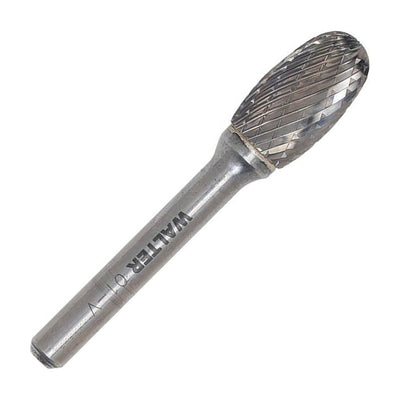
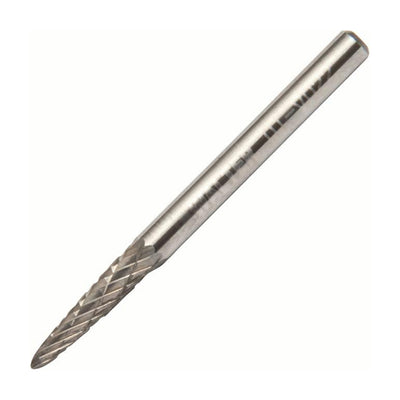
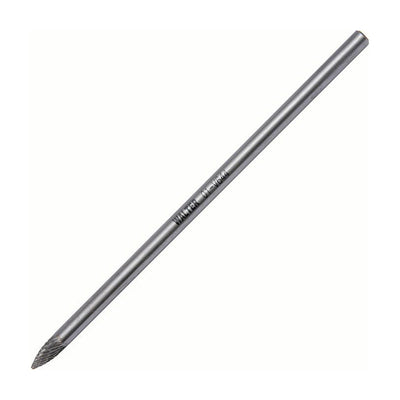
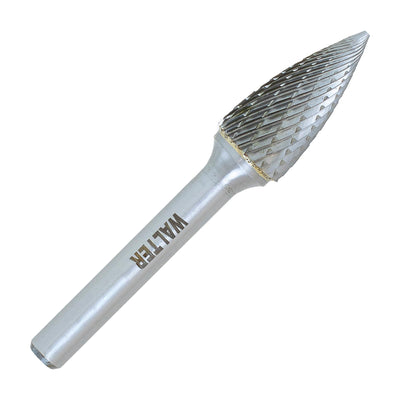
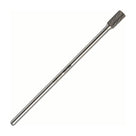
Walter and Drillco solid carbide burrs. Double cut for steel and stainless, aluminum cut for soft metals, hard alloy for 45-60 Rc. 1/4" and 1/8" shanks, a 6" long series, sets, and the DIALSPEED point grinder to run them in.
Solid tungsten carbide burrs for deburring, weld blending, die work and shaping metal. We stock Walter's heavy-duty 01V range and Drillco's 7000 sets, in double cut for steel and stainless, aluminum cut for soft metals, and a harder grade for hardened alloy.
Picking a cut. Double cut has two sets of crossed flutes: it breaks the chip small, grabs less and leaves a finer finish, which is why it is the default on ferrous metal. Single cut has one set of flutes and takes a bigger bite, for faster removal where finish matters less. Aluminum cut has widely spaced open flutes so soft metal clears instead of welding itself into the tool — use it on aluminum, brass, copper, magnesium and zinc.
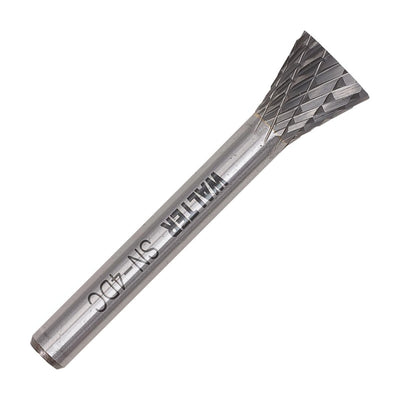
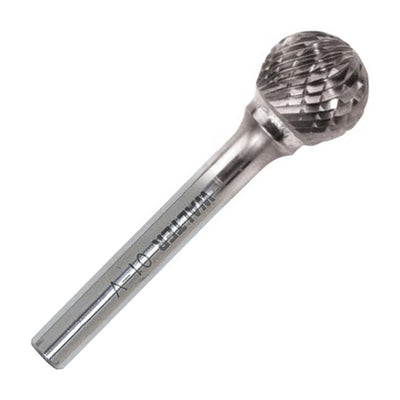
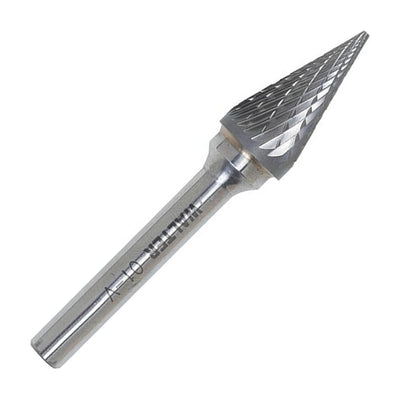
Picking a head. SA cylindrical for flat work and deburring, SB for interior contours, SC ball nose for surface milling, SD ball and SE egg for cavities, SF and SG tree shapes for narrow contour work, SH flame for curves, SL and SM cones for angles, SN inverted cone for cutting from behind, SK for countersinking.
Speed is set by the burr diameter, not the grinder: 70,000 RPM at 1/4" down to 40,000 RPM at 5/8". The 6" long series runs at half those figures and must never go below 20,000 RPM. Keep the feed light and let the flutes cut — pushing a burr blues the work and rounds the teeth off.
Free shipping on orders over $200. Trade accounts can reorder in a click from My Toolbox, or call (833) 438-6657.
Single cut has one set of flutes and removes metal faster, leaving a coarser finish. Double cut has two sets crossing each other, which breaks the chip small, grabs far less and finishes better. Double cut is the one most shops run on steel and stainless.
Soft metals smear and weld into a standard burr until it stops cutting and starts rubbing. An aluminum cut burr has widely spaced, single-direction flutes with a lot of chip clearance, so the chip throws clear. Use it on aluminum, brass, copper, magnesium, zinc and carbon fibre.
By diameter, not by what the grinder will do: 70,000 RPM at 1/4", 68,000 at 5/16", 66,000 at 3/8", 58,000 at 7/16", 50,000 at 1/2" and 40,000 at 5/8". Halve all of those for the 6" long series, and never run a 6" burr below 20,000 RPM.
1/4" is standard and fits any die grinder. 1/8" is for pencil grinders and detail work. Match the shank to the collet you have.
SA cylindrical for flat surfaces and deburring; SC ball nose for surface milling and contours; SD ball and SE egg for cavities; SF and SG tree shapes for narrow contour work; SH flame for curves; SL and SM cones for angled work; SN inverted cone to cut from behind; SK for countersinking.
Call 833-438-6657, 8 AM to 4 PM MST. We know the parts, not just the part numbers.