























































HomeBlog & GuidesGuidesElectrical
What Is a Reamer? Car, Bridge and Pipe Reamers Explained
What a reamer does, how car and bridge reamers line up bolt holes, the reamer size for each bolt, how fast to run one, and pipe reamers for conduit and copper, with priced picks.
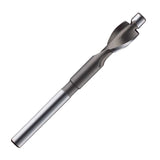
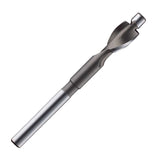
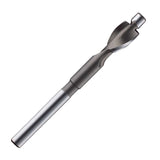
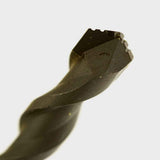
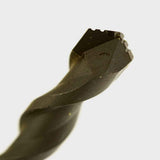
Quick answer: A reamer is a cutting tool that enlarges, straightens or finishes a hole that is already drilled. In construction and steel work, the reamer you want is a car reamer or bridge reamer: a tapered, spiral-fluted reamer that lines up bolt holes in two pieces of steel. Size it to the bolt hole, not the bolt: a 3/4 in. bolt takes a 13/16 in. reamer. Run it at about half the speed of a drill the same size, with oil, and never in reverse. For pipe and conduit, a pipe reamer cleans the burr off a cut end.
What is a reamer, and how is it different from a drill bit?
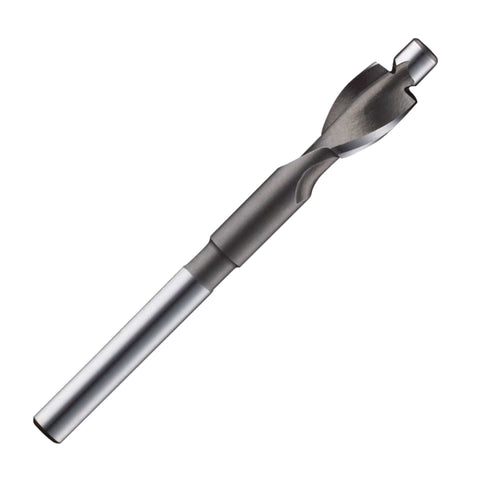
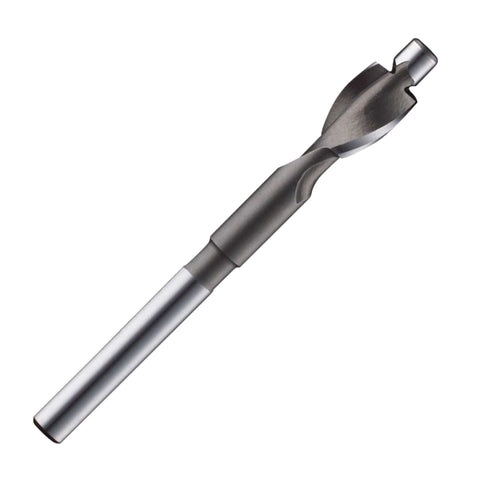
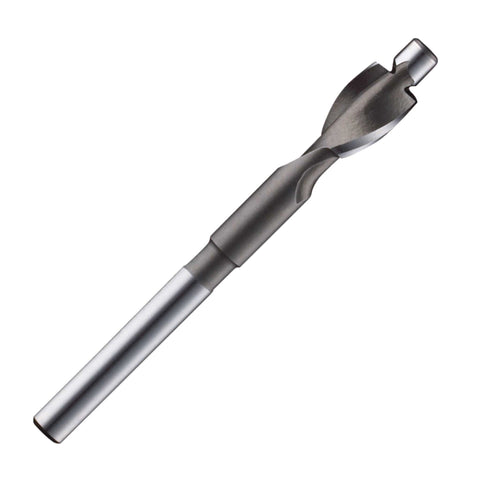
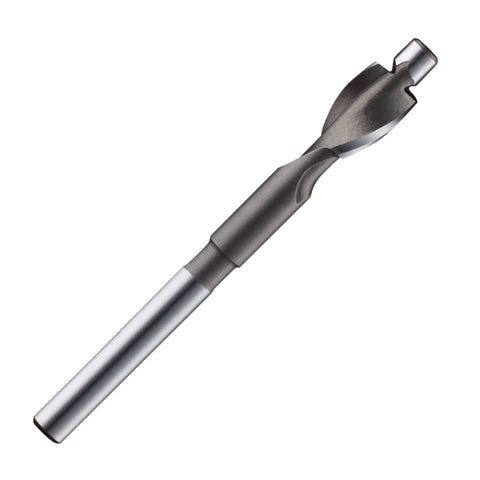
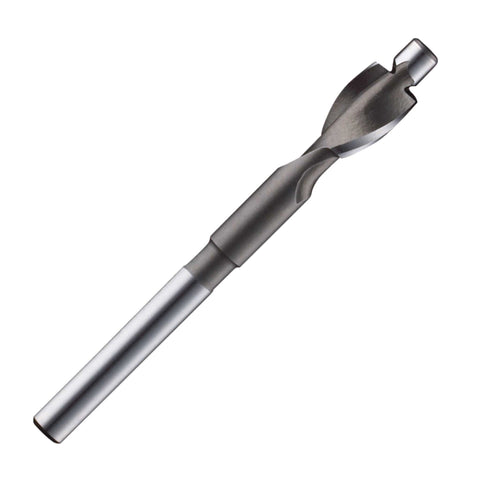
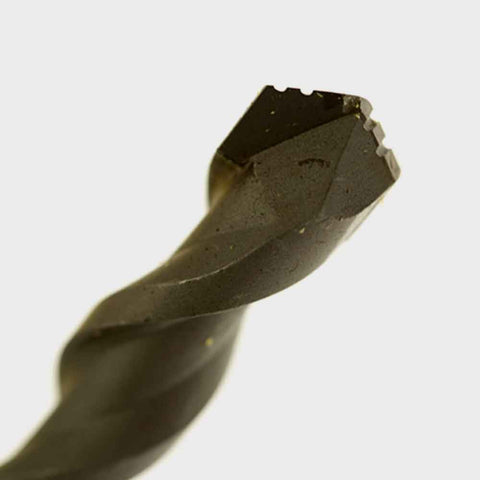
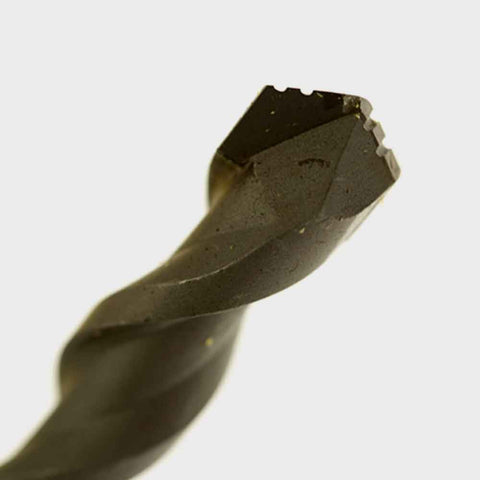
A reamer is a cutting tool that takes a small amount of metal out of an existing hole to make it larger, rounder, straighter or better lined up. A drill bit makes a new hole from solid material. A reamer cannot start a hole; it needs one to follow. Reamers have many straight or spiral cutting edges along the side, which is why they leave a smoother, truer hole than a drill.
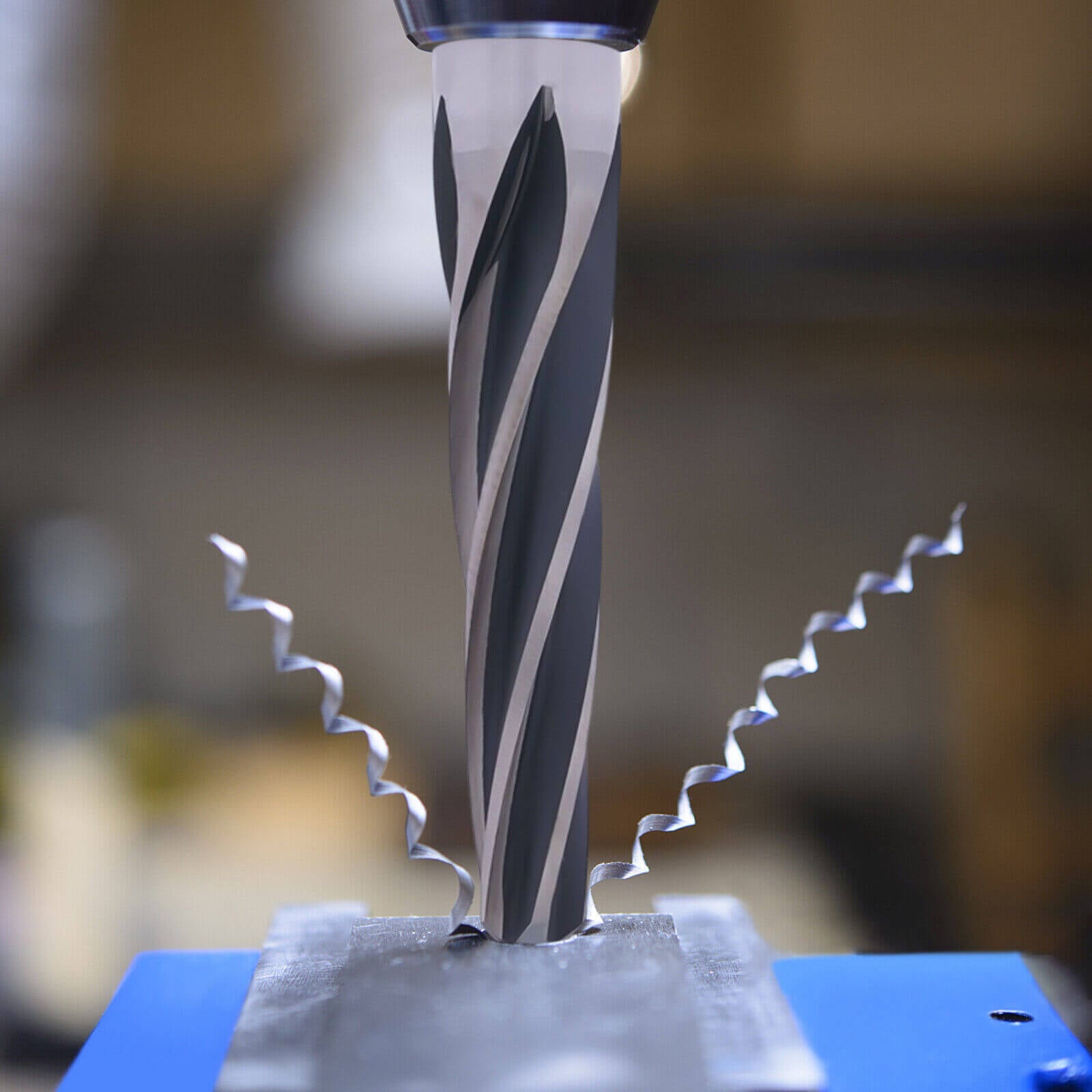
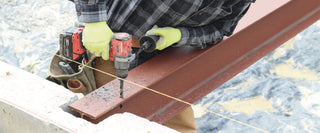
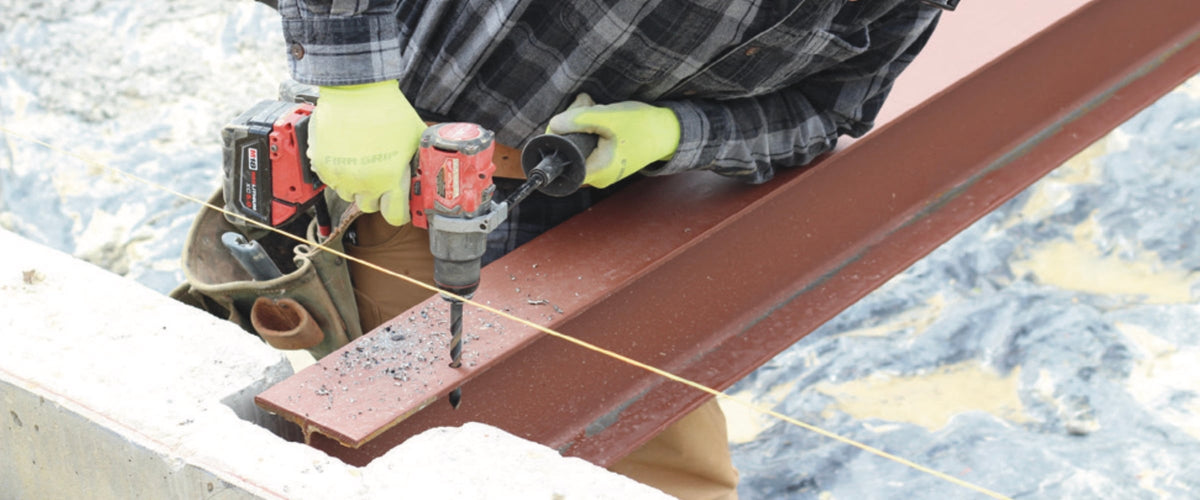
On a job site, reaming usually means one thing: two plates or a beam and a clip whose bolt holes don't quite line up. A tapered reamer runs through both holes at once and leaves one round hole the bolt slides through.
What are the types of reamers?
Reamers fall into two groups: construction reamers for lining up bolt holes in the field, and machine reamers for precise holes in a machine shop. This table lists the common types of reamers and what each one is for.
Type of reamer |
What it does |
Where it is used |
We stock it |
|---|---|---|---|
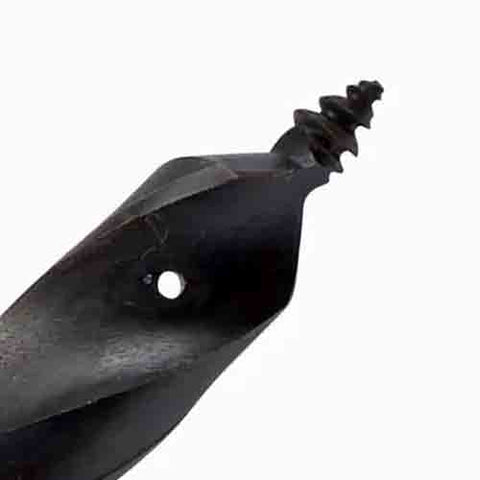
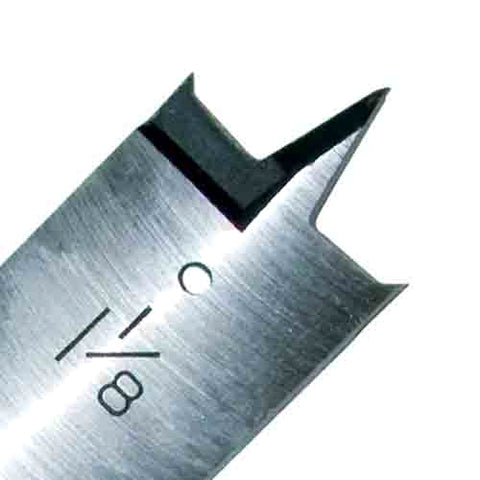
Car reamer (construction reamer) |
Tapered point, spiral flutes. Lines up and enlarges bolt and rivet holes |
Structural steel, trailers, truck frames, rail cars |
|
Bridge reamer |
Same job as a car reamer, with a longer flute for thicker stacks of steel |
Bridges, heavy structural connections |
|
Pipe reamer (inner rim) |
Removes the burr inside a cut pipe or conduit |
Electrical conduit, copper, steel pipe |
|
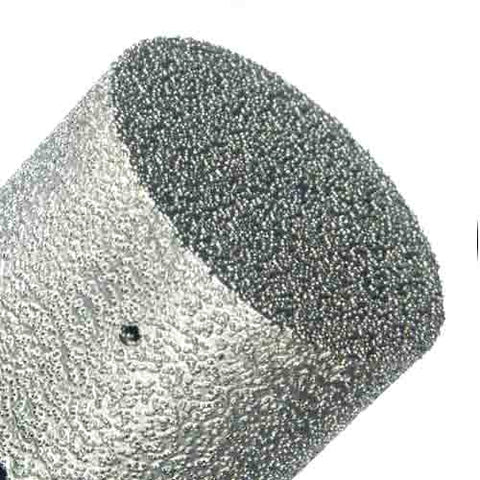
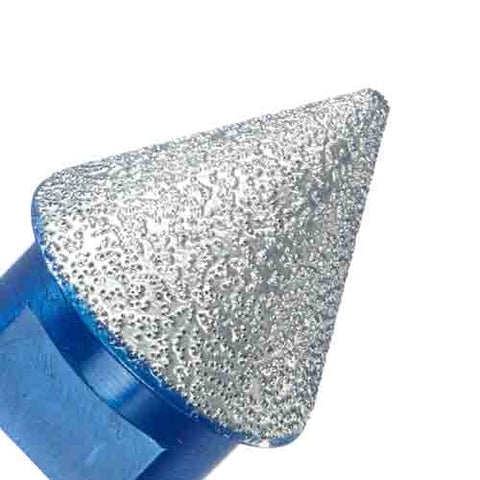
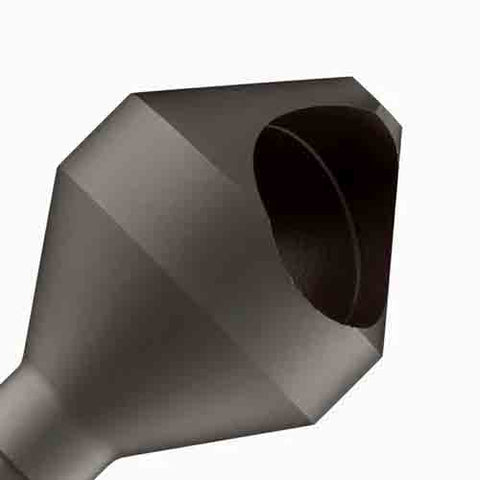
Outer chamfer reamer |
Chamfers the outside edge of a pipe, rod or bolt |
Plumbing, fabrication, cut threaded rod |
|
Hand reamer |
Straight flutes, turned by hand with a tap wrench for a precise size |
Machine shops, repairs |
No |
Chucking (machine) reamer |
Straight or spiral flutes, run in a drill press, lathe or mill to a tight tolerance |
Machine shops |
No |
Adjustable or expansion reamer |
Blades that open up to ream odd sizes |
Repairs, bushings |
No |
Taper pin reamer |
Reams a tapered hole to fit a taper pin |
Machinery |
No |
We focus on the reamers contractors and fabricators use. For hand, chucking and taper pin reamers, a machine shop supplier is the right call.
Car reamer vs bridge reamer: what is the difference?
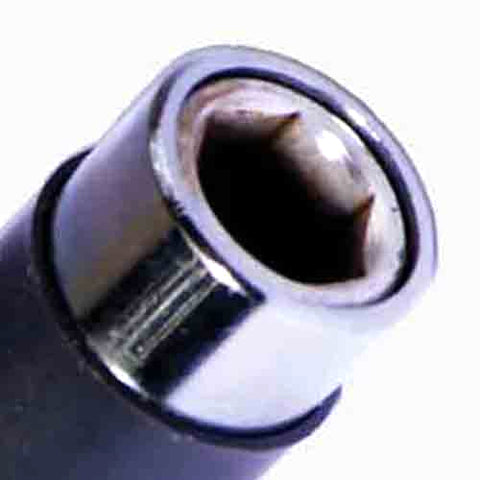
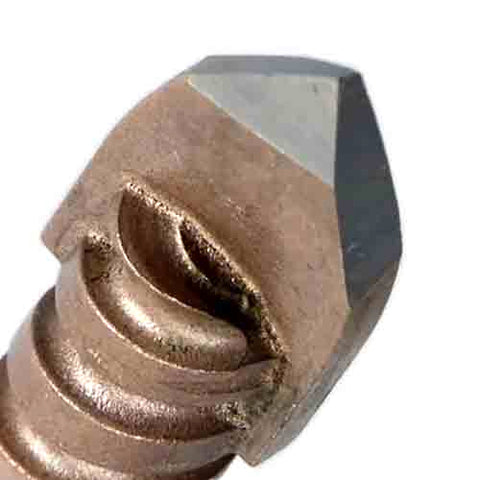
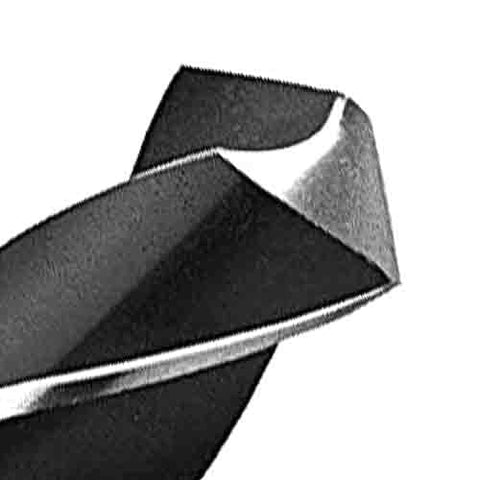
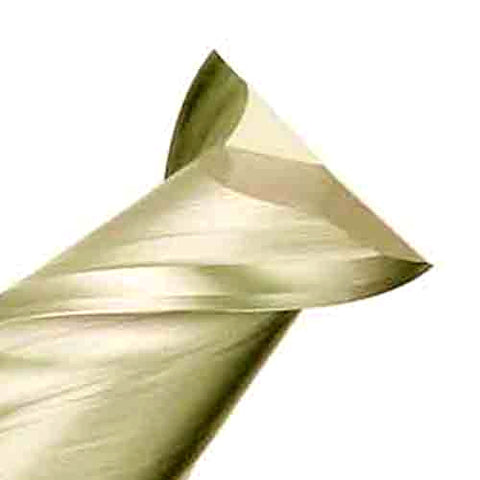
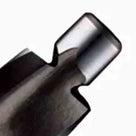
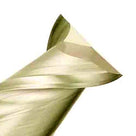
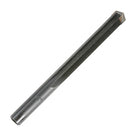
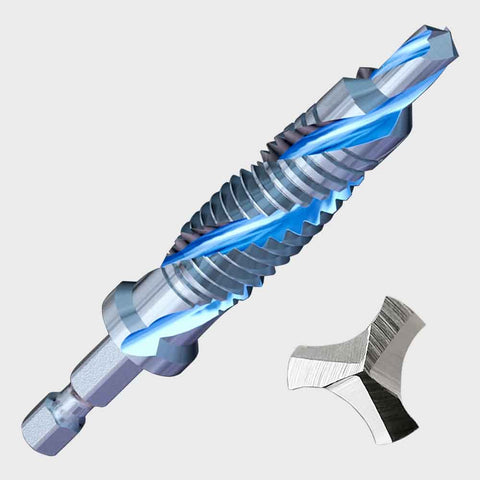
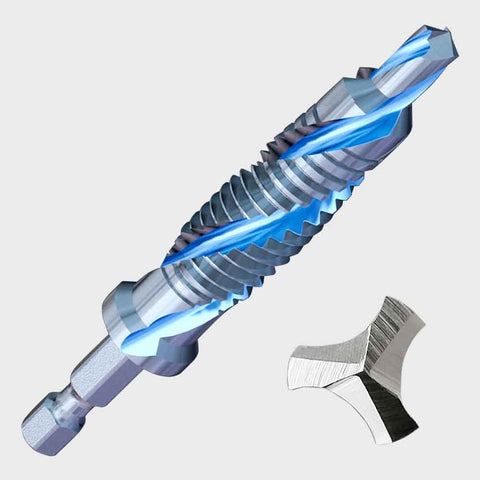
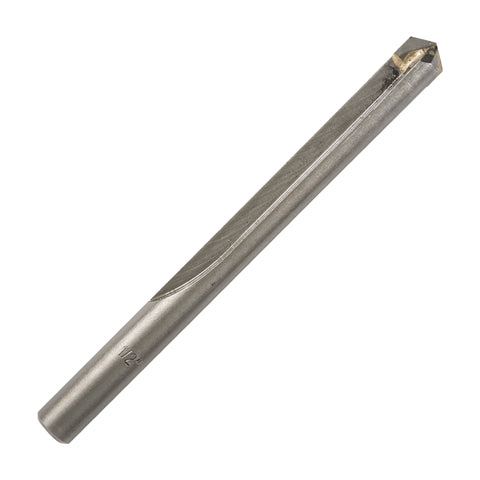
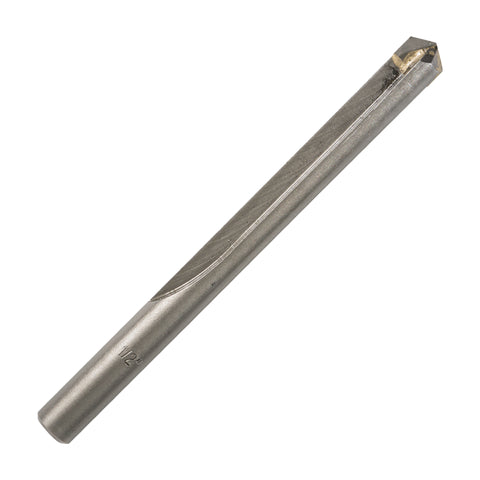
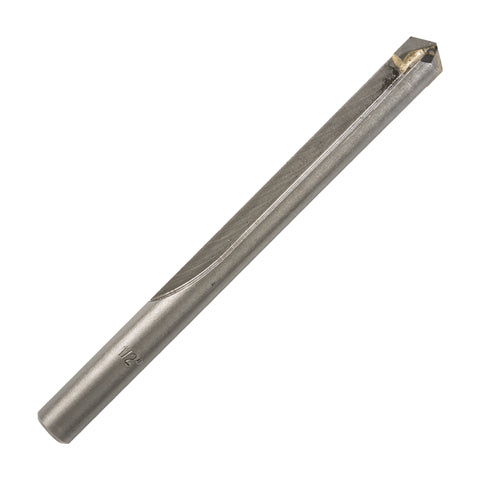
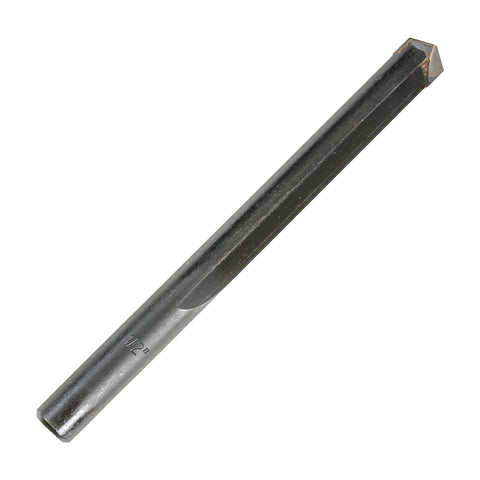
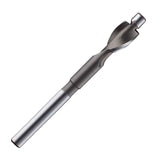
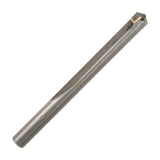
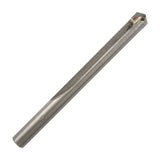
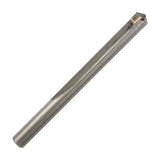
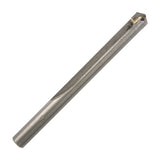
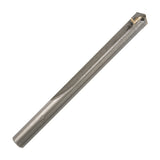
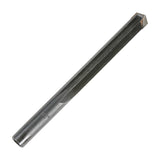
A bridge reamer has a longer flute than a car reamer, so it can ream through a thicker stack of steel in one pass. Both have a long tapered point that starts in a misaligned hole, a left-hand spiral that keeps the reamer from screwing itself into the work, and a right-hand cut. Pick a car reamer for most connections and a bridge reamer for thick plate or multi-ply stacks.
13/16 in. reamer |
Flute length |
Overall length |
Point diameter |
Shank |
|---|---|---|---|---|
5 in. |
7 in. |
0.468 in. |
Hex nut |
|
5 in. |
7-1/4 in. |
0.468 in. |
1/2 in. 3-flat |
|
7-3/8 in. |
9-3/8 in. |
0.468 in. |
Hex nut |
The point diameter is the smallest opening the reamer will start in. A 13/16 in. reamer has a 0.468 in. point, so it will enter any gap between two holes that is at least 15/32 in. across, then cut both holes round as it feeds in.
What size reamer do I need for a bolt?
Size the reamer to the bolt hole, not the bolt. A standard hole for a structural bolt is the bolt diameter plus 1/16 in. (AISC 360, Table J3.3), so a 3/4 in. bolt takes a 13/16 in. reamer. This table gives our three most common reamers for each bolt size.
Bolt |
Standard hole and reamer |
Hex car reamer |
Car reamer, 3-flat |
Hex bridge reamer |
|---|---|---|---|---|
5/8 in. |
11/16 in. |
CHX-4464, $66.05 each |
CRF-4464, $60.96 each |
CBB-4464, $79.67 each |
3/4 in. |
13/16 in. |
CHX-5264, $71.16 each |
CRF-5264, $74.55 each |
CBB-5264, $100.67 each |
7/8 in. |
15/16 in. |
CHX-6064, $84.59 each |
CRF-6064, $93.36 each |
CBB-6064, $119.66 each |
Store prices on Oct 2, 2026. Reamers are sold one at a time.
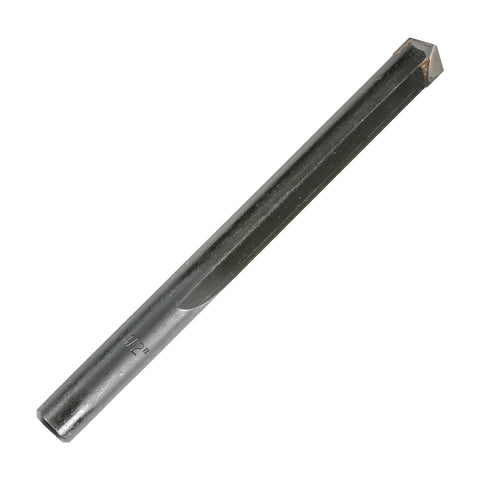
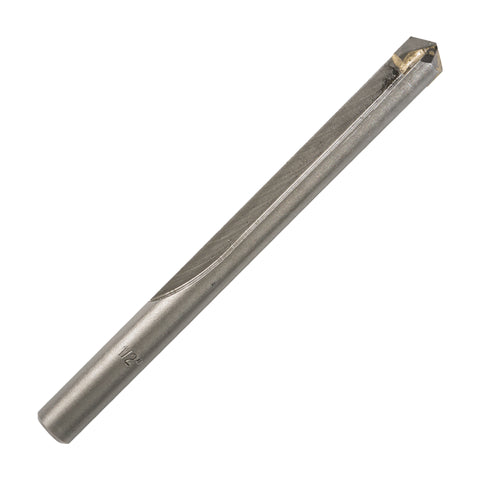
For 1 in. bolts, the current AISC specification calls for a 1-1/8 in. standard hole, and older drawings often show 1-1/16 in. We stock 1-1/16 in. reamers (CHX-6864, $109.83 each) and car reamers up to 1-1/4 in. Always ream to the hole size on the drawings. Reaming a hole past its standard size makes an oversized hole, which needs the engineer of record's OK on structural work.
Which reamer line should I buy?
All six of our car and bridge reamer lines are ITM, made of M2 high-speed steel, with a tapered point and left-hand spiral. They differ by shank, flute and where they are made. Prices are for the 13/16 in. size.
Line |
Shank |
What sets it apart |
13/16 in. price |
|---|---|---|---|
1/2 in. 3-flat |
The value pick for a 1/2 in. drill or magnetic drill chuck |
$74.55 each |
|
Hex nut |
Hex shank that can't spin in the driver |
$71.16 each |
|
Hex nut |
Longer 7-3/8 in. flute for thick stacks |
$100.67 each |
|
1/2 in. 3-flat |
Made in the USA |
$134.68 each |
|
1/2 in. 3-flat |
Made in the USA. Fast spiral clears chips quicker |
$148.28 each |
|
Hex nut |
Made in the USA |
$154.08 each |
If the reamer goes in a 1/2 in. drill or a magnetic drill with a chuck, buy a 3-flat shank. If your crew runs hex-drive reamers, buy the hex line. Pay for USA-made when the job specs it or the reamer will see daily use.
"When the holes don't line up, don't reach for the torch. A car reamer cleans up both plates in one pass and leaves a round hole the bolt will actually fit."
David Castro, President, Eldorado Tools
How do you use a car reamer?
Run a car reamer slowly, with steady pressure and cutting oil, and always forward. Reaming takes far less metal than drilling, so the reamer should cut, not rub.
Clamp or bolt the pieces. Pin the connection with drift pins or a few bolts so the plates can't shift while you ream.
Run about half drill speed. A reamer runs at about half the RPM of a drill bit the same size. See the table below.
Use cutting oil. Oil on steel and stainless keeps the edges cool and the hole smooth.
Feed steadily through. Let the taper pull the holes into line. Don't force it sideways.
Never run it in reverse. Backing a reamer out in reverse drags chips across the edges and dulls them. Pull it out while it turns forward, or stop it and lift it out.
Reamer size |
Mild steel |
Stainless steel |
|---|---|---|
11/16 in. |
250 RPM |
110 RPM |
13/16 in. |
210 RPM |
90 RPM |
15/16 in. |
180 RPM |
80 RPM |
1-1/16 in. |
160 RPM |
70 RPM |
Starting speeds use half the drilling surface speed from our drill speed chart: 45 surface feet per minute in mild steel and 20 in stainless. Most corded 1/2 in. drills have a low gear in this range.
What is a pipe reamer?
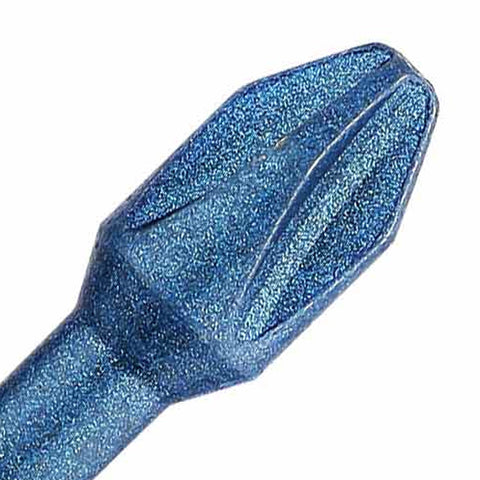
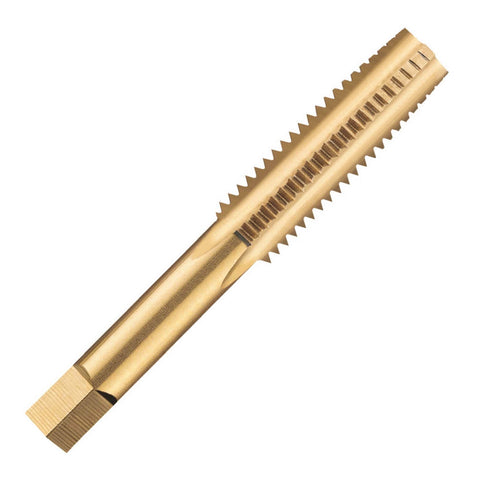
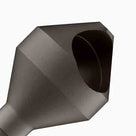
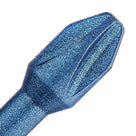
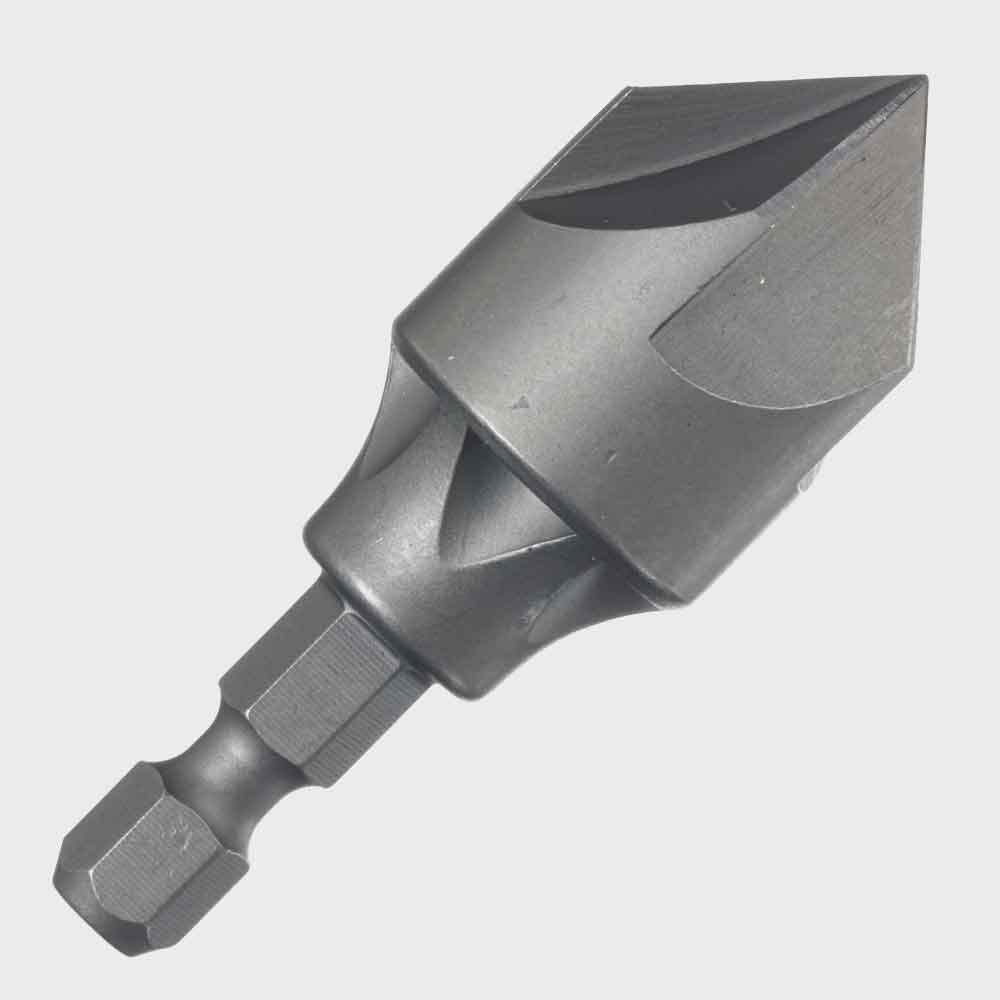
A pipe reamer removes the sharp burr a saw or cutter leaves inside a cut pipe or conduit. The burr chokes flow in a pipe and cuts wire insulation in conduit, and the electrical code requires the cut ends of EMT conduit to be reamed (NEC 358.28). Our pipe reamers have hex shanks (1/4 in. on the small sizes), so they run in a drill or impact driver.
Pipe reamer |
Size range |
Cutting edge |
Our pick |
|---|---|---|---|
Inner rim reamer, small |
1/8 to 3/4 in. |
M2 HSS, 90° |
RIM-01, $20.75 each (min. 2) |
Inner rim reamer, large |
3/16 to 7/8 in. |
M2 HSS, 90° |
RIM-02, $29.52 each (min. 2) |
Outer chamfer, small |
1/8 to 3/4 in. |
M2 HSS |
BAR-01, $24.98 each (min. 2) |
Outer chamfer, small |
1/8 to 3/4 in. |
Carbide |
BAR-01C, $42.86 each |
Outer chamfer, medium |
1/2 to 1-3/8 in. |
Carbide |
BAR-02C, $83.94 each |
Outer chamfer, large |
1-3/8 to 2-1/8 in. |
Carbide |
BAR-03C, $149.56 each |
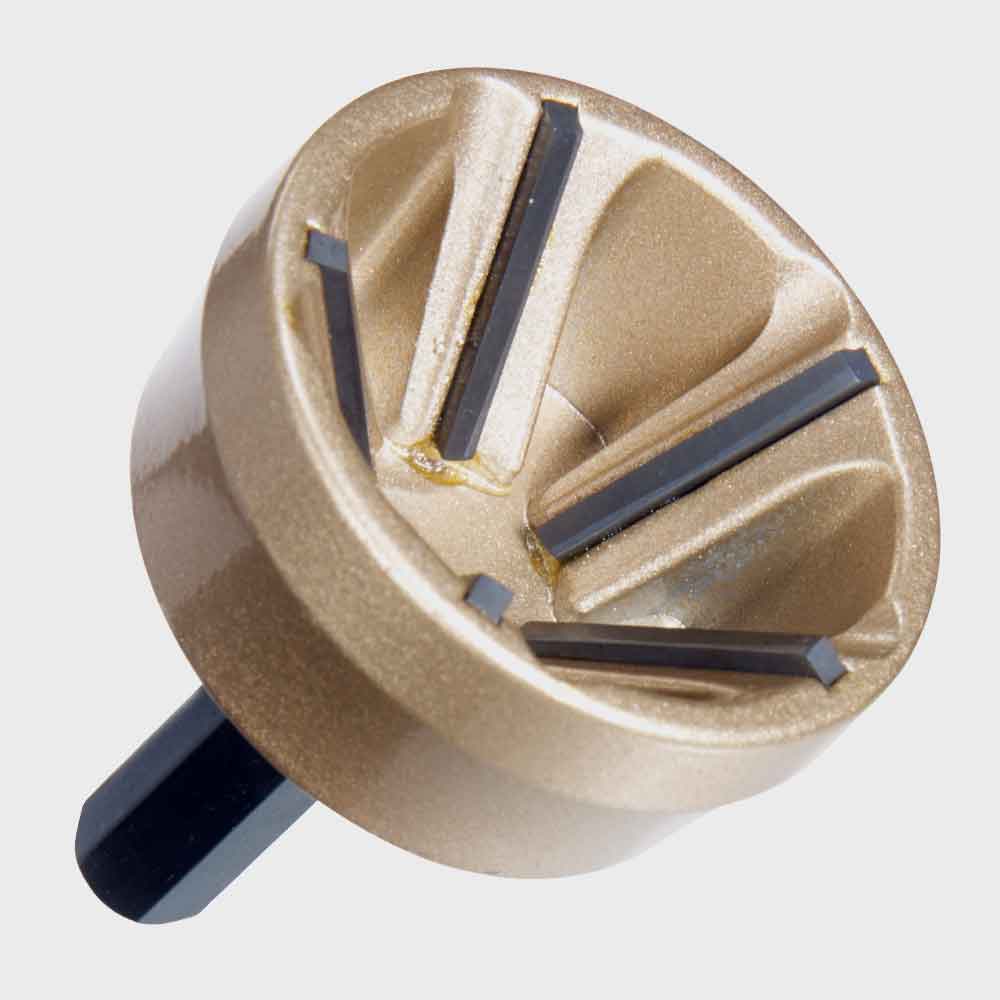
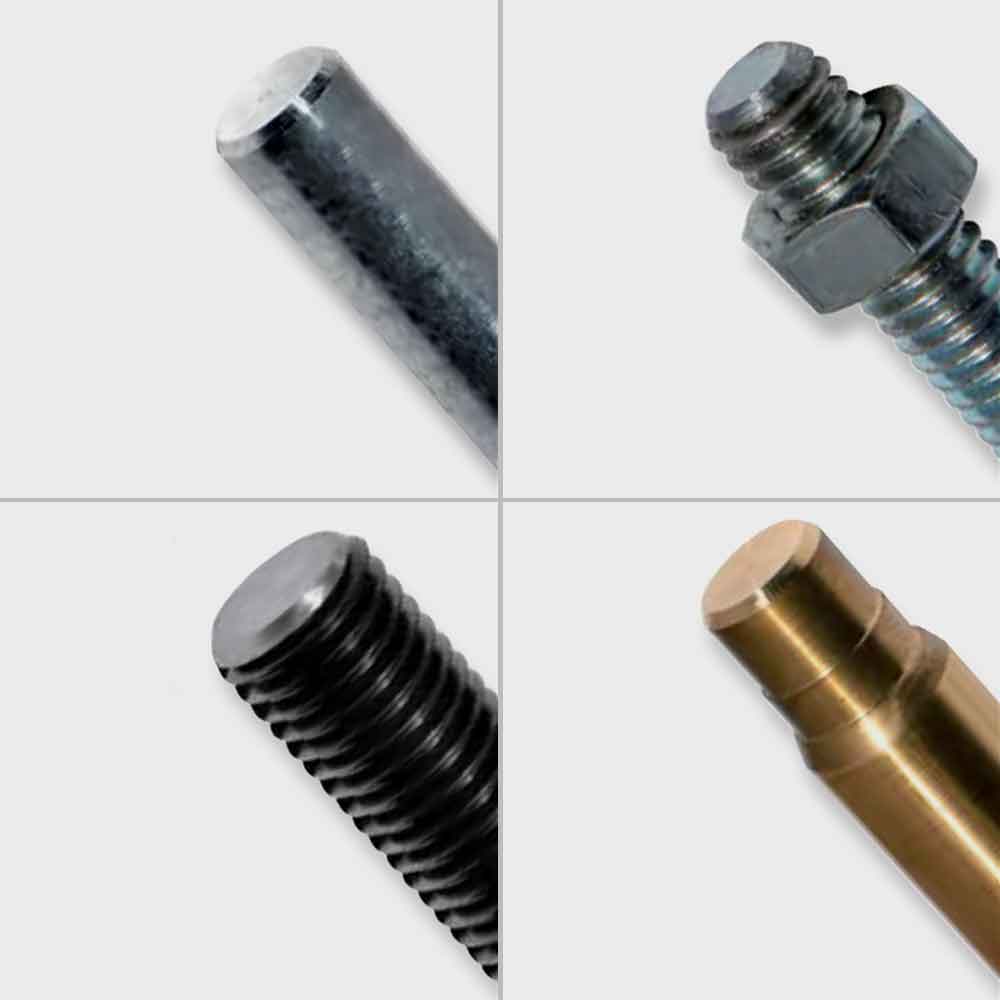
An outer chamfer reamer bevels the outside edge of a pipe, rod or bolt so a fitting slides on and a nut threads onto cut threaded rod. Pick carbide blades for stainless steel and daily use, and HSS for occasional work in mild steel, copper and plastic.
Why won't my reamer cut?
A reamer that won't cut is usually running too fast, has been run in reverse, or is trying to remove too much metal. This table covers the common problems.
Problem |
Likely cause |
Fix |
|---|---|---|
Reamer squeals and stops cutting |
Too fast, no oil, or edges dulled by running in reverse |
Slow to about half drill speed, add oil, replace a dull reamer |
Reamer grabs and stalls the drill |
Too much offset between the holes, or feeding too hard |
Drill a pilot through both pieces first, then ream with steady pressure |
Hole comes out oval or rough |
Plates moving, or the drill wobbling off axis |
Pin or bolt the connection tight and keep the reamer square |
Hole ends up oversized |
Wrong reamer size, or reaming too far up the taper |
Match the reamer to the hole size on the drawings |
Reamer won't start in the hole |
Gap between the holes is smaller than the point |
Use a smaller reamer or drill first; a 13/16 in. reamer needs about 15/32 in. |
FAQ
Can you use a reamer in a regular drill?
Yes. A car reamer with a 1/2 in. 3-flat shank fits any 1/2 in. drill chuck. Use a drill with a low gear, since a reamer runs at about half drill speed.
Can you run a reamer in reverse?
No. Running a reamer backward drags chips over the cutting edges and dulls them fast. Always turn it forward, in and out.
How much should a reamer remove?
A construction reamer can clean up holes that are offset by a fraction of an inch, as long as the gap is bigger than its point. A machine reamer removes only a few thousandths of an inch.
What is a left-hand spiral, right-hand cut reamer?
The flutes spiral the opposite way to the cut. That pushes chips ahead of the reamer and stops it from pulling itself into the hole, so it feeds smoothly.
Is a reamer the same as a deburring tool?
Not quite. A pipe reamer is a kind of deburring tool for the inside of a pipe. A car or bridge reamer cuts the full length of a hole to enlarge and align it.
Are ITM reamers made in the USA?
Our ASF, AFC and ACX reamer lines are made in the USA by ITM. The CRF, CHX and CBB lines are ITM's value lines.
Drilling the holes first? See How to Choose Drill Bits for Metal and Types of Drill Bits Explained. Questions about a job? Call our team at (833) 4-ETOOLS or email sales@eldoradotools.com.
First published June 12, 2023. Rewritten Oct 2, 2026 with bolt-size, speed and pipe reamer tables and priced picks.