










































































































































































HomeBlog & GuidesGuidesGlass & Shower
Deburring Tool for Metal: 82° vs 90°, Flutes, and Hole Size
How to pick a deburring tool for metal holes: 82° or 90°, single flute vs zero flute, hex shank for impacts, and which Weldon tool fits each hole size.
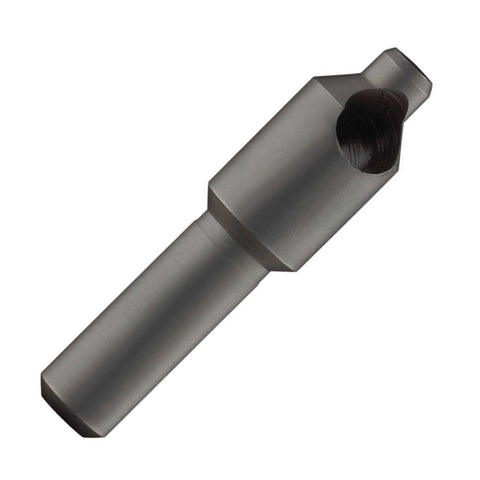
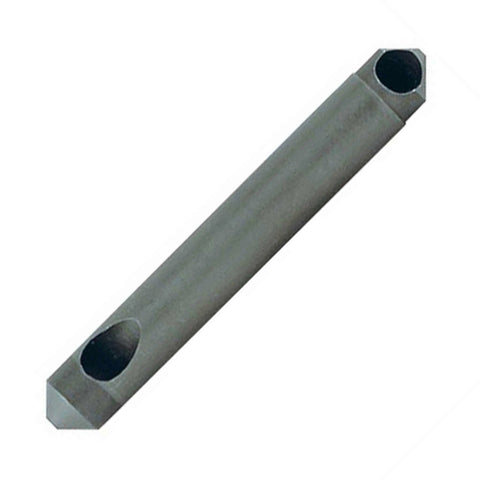
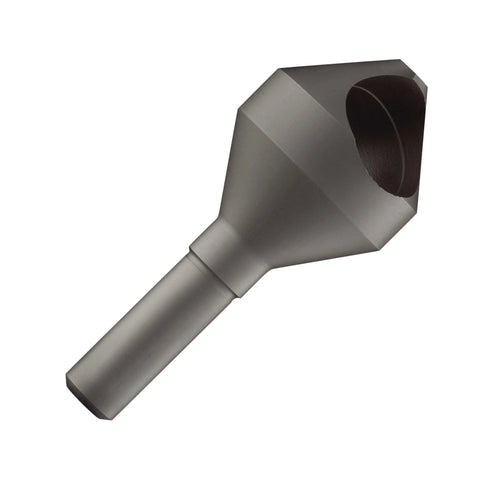
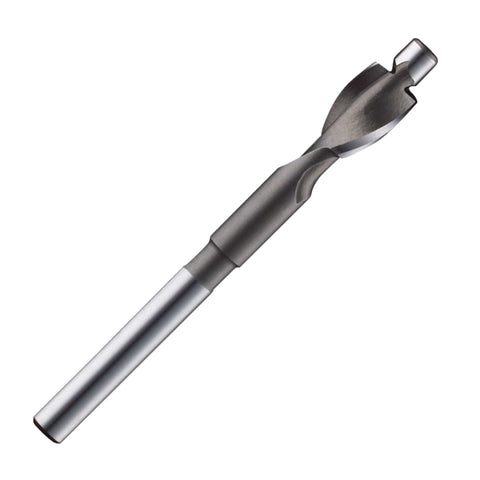
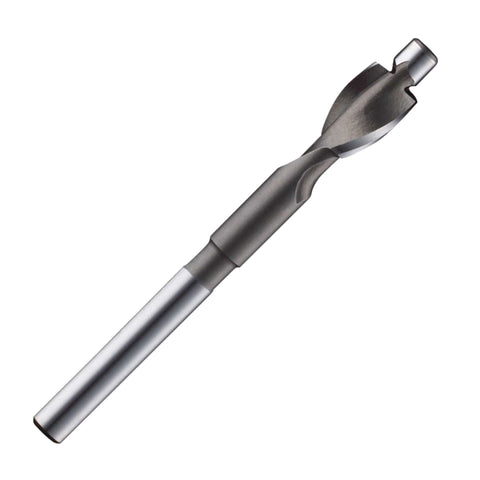
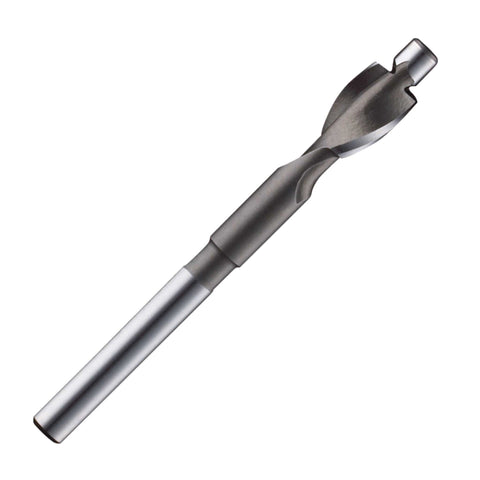
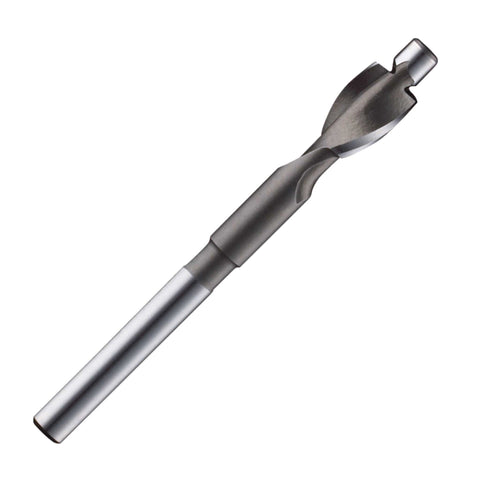
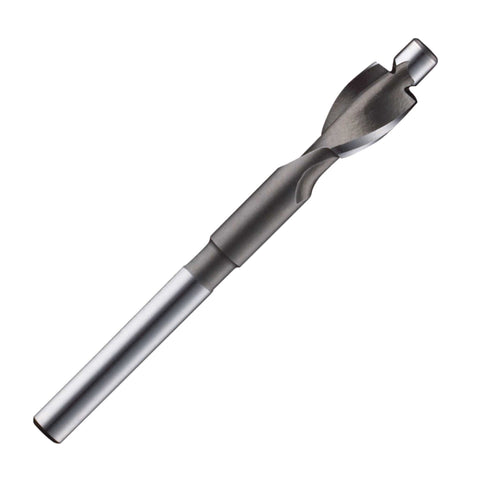
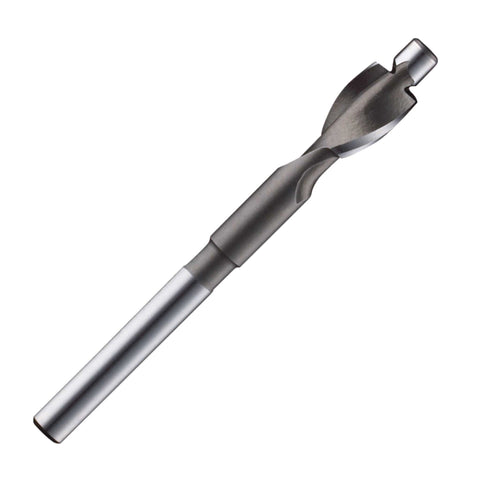
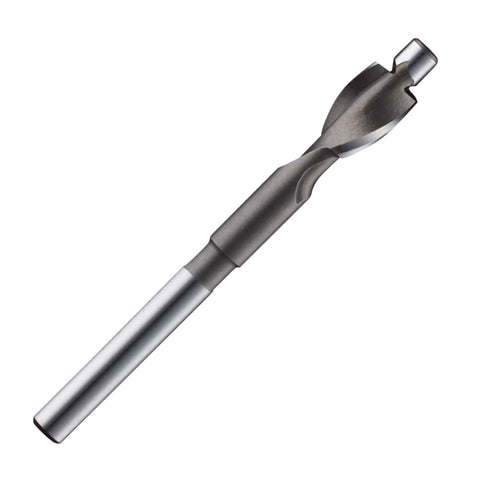
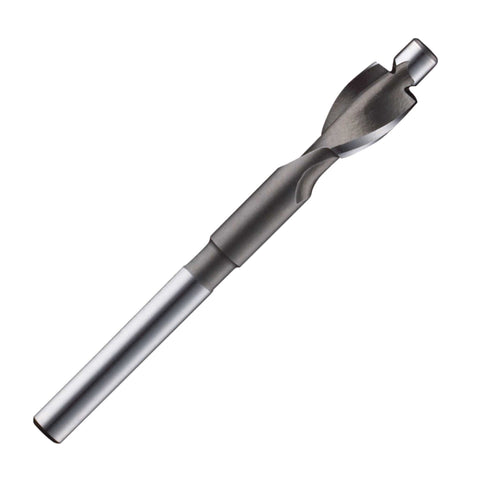
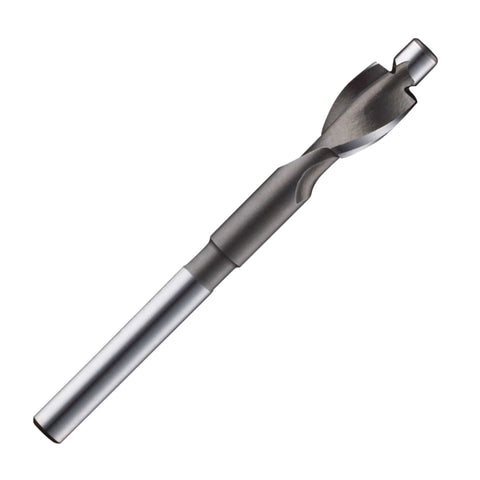
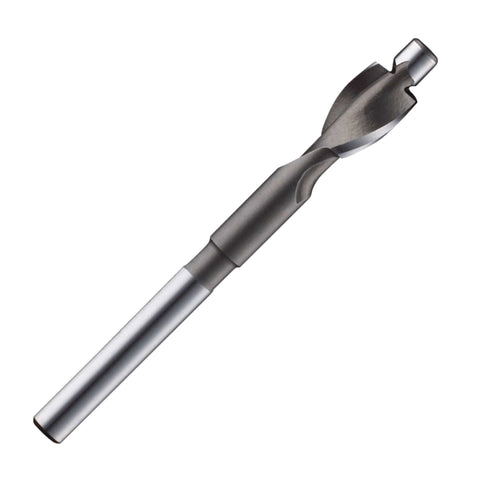
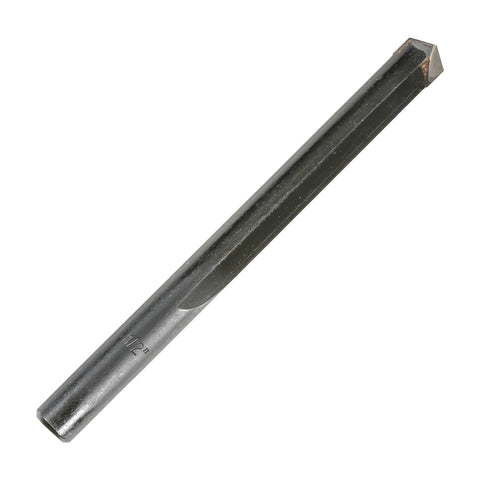
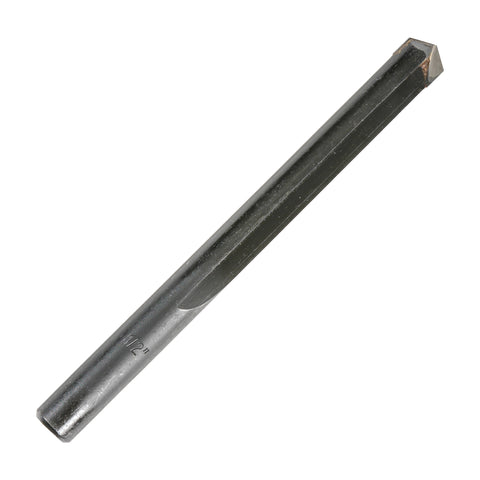
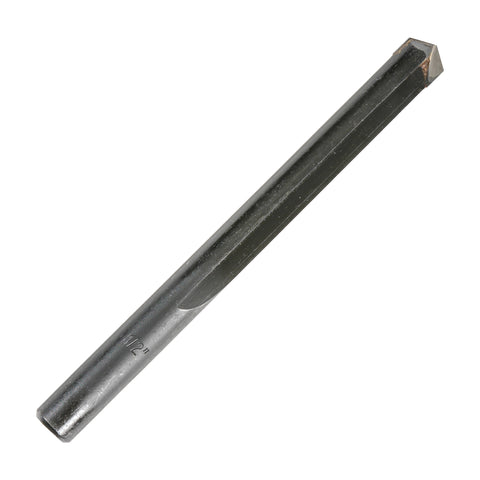
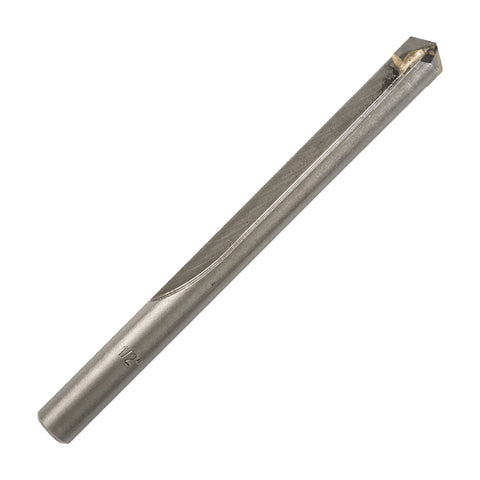
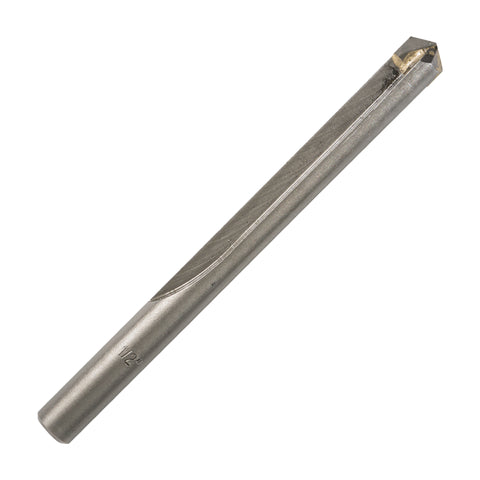
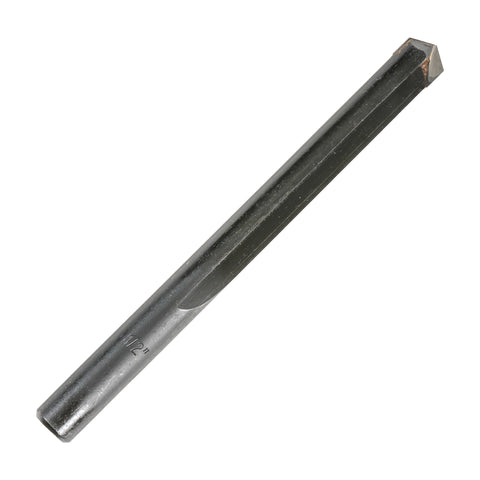
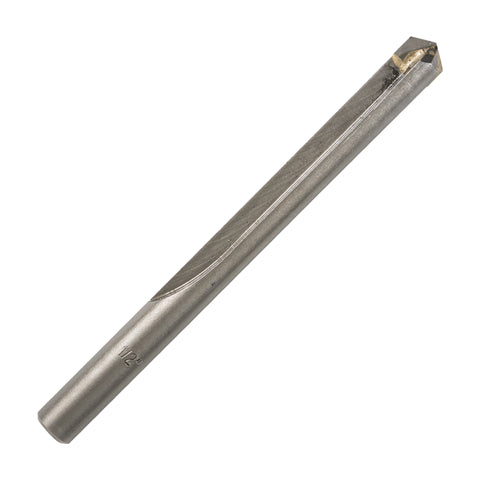
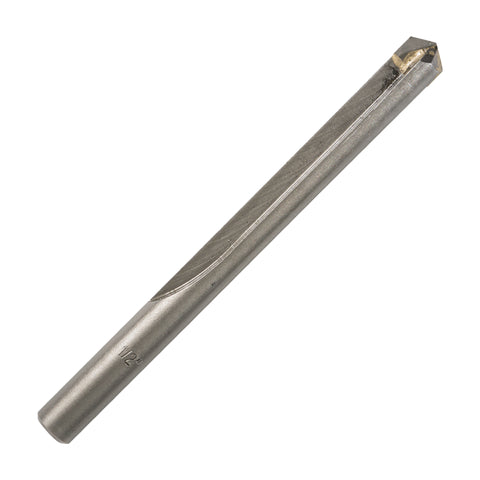
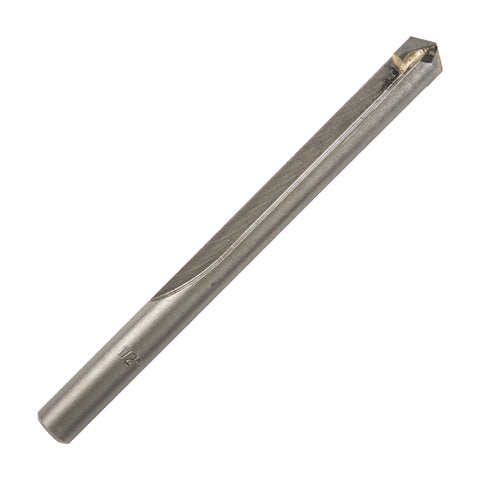
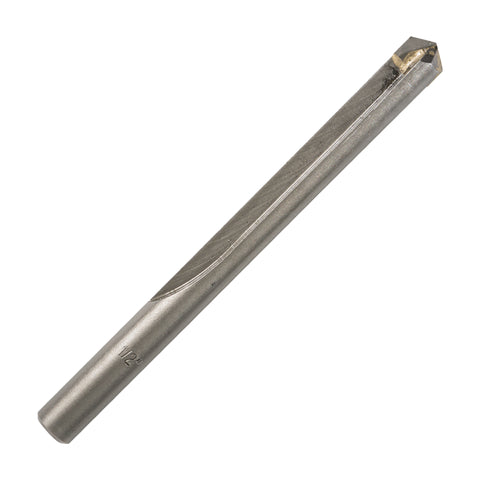
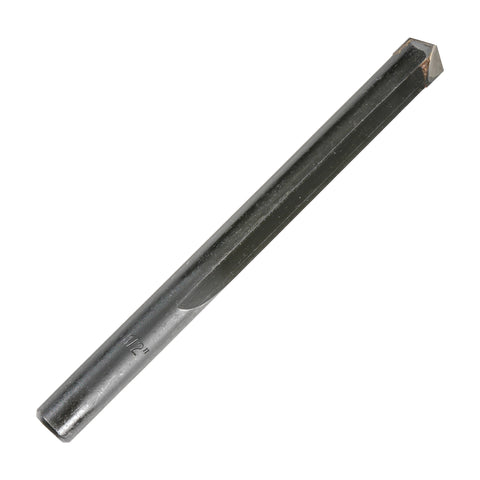
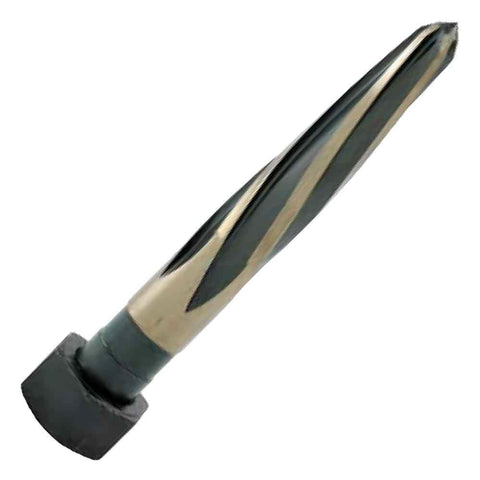
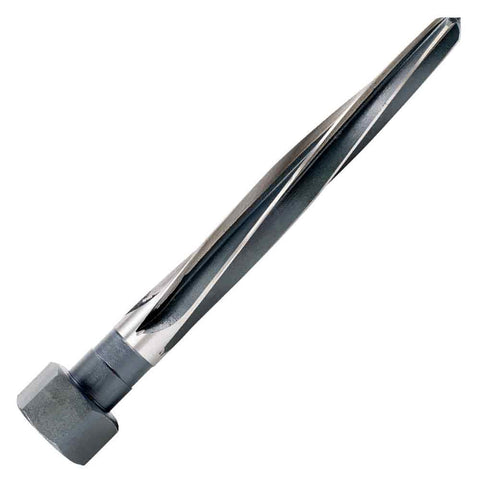
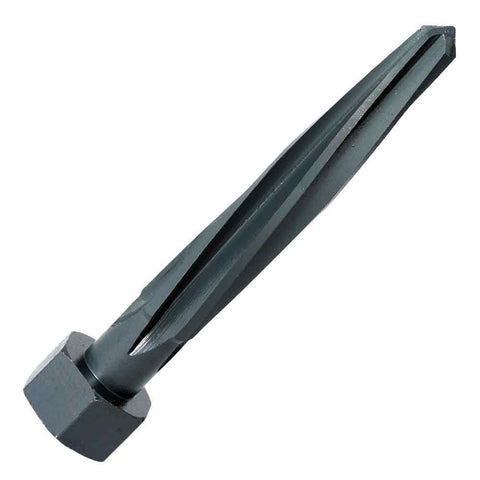
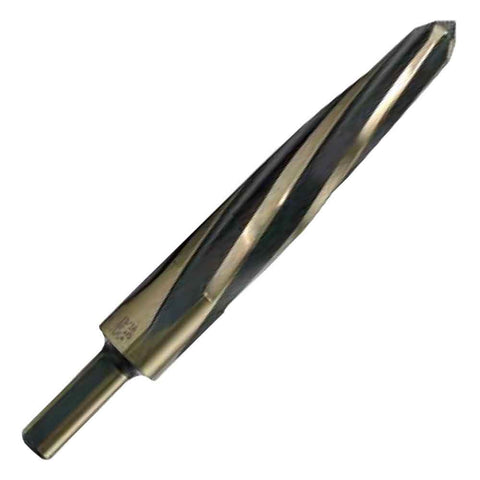
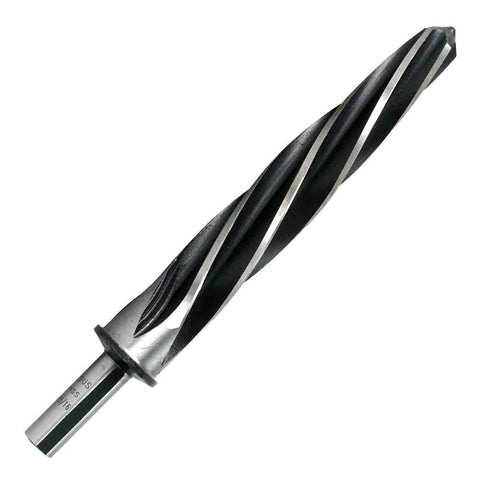
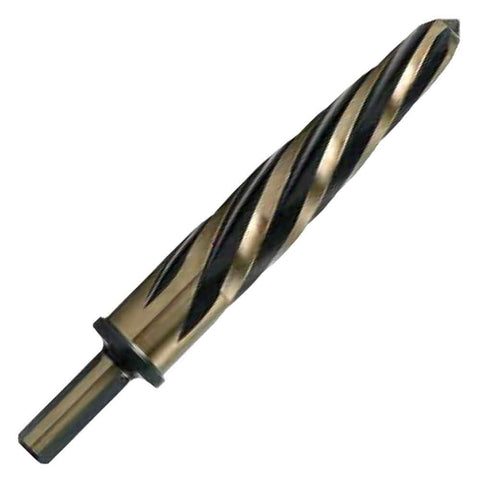
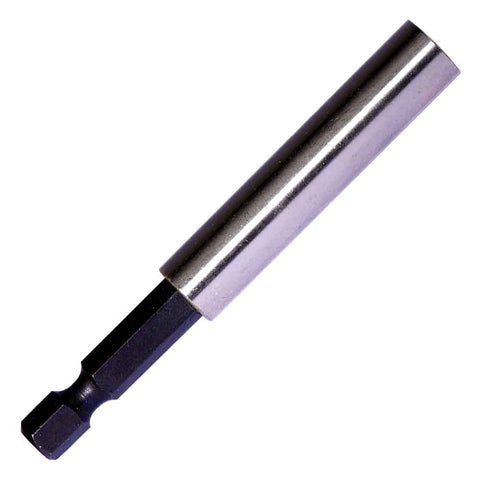
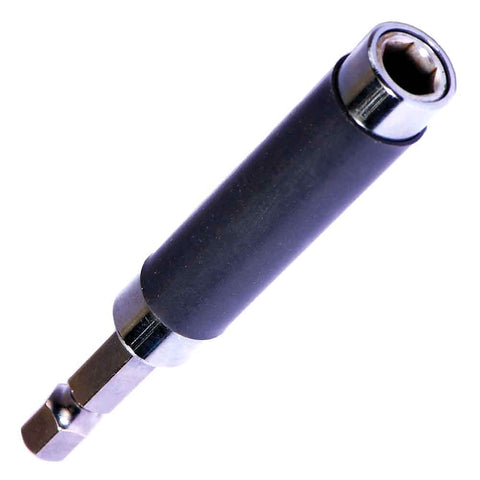
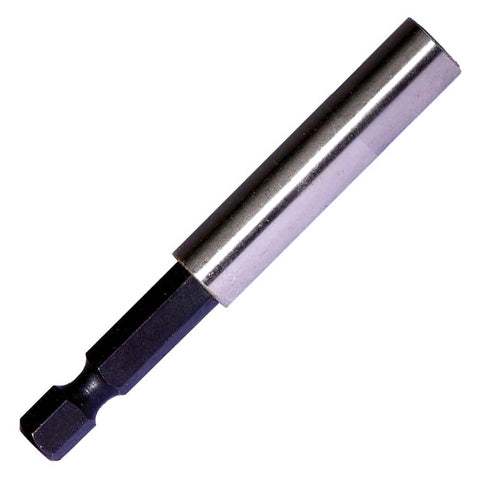
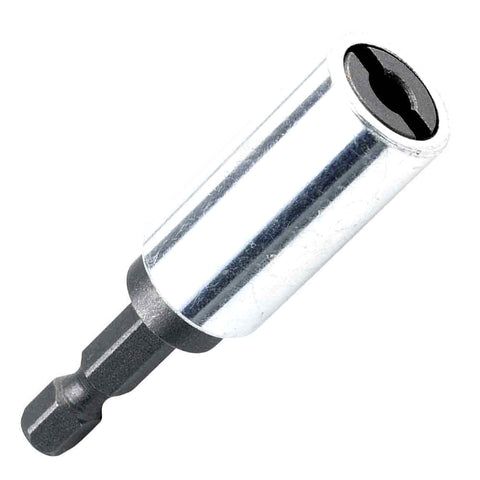
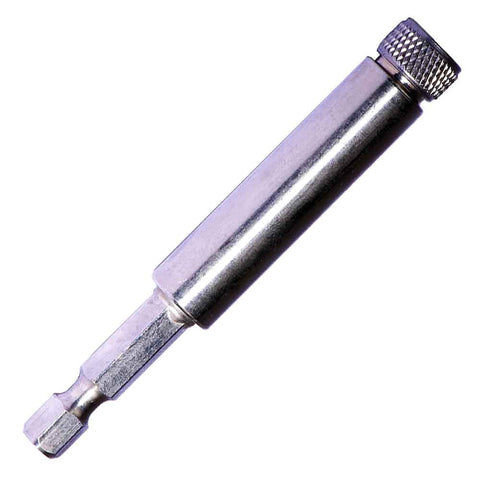
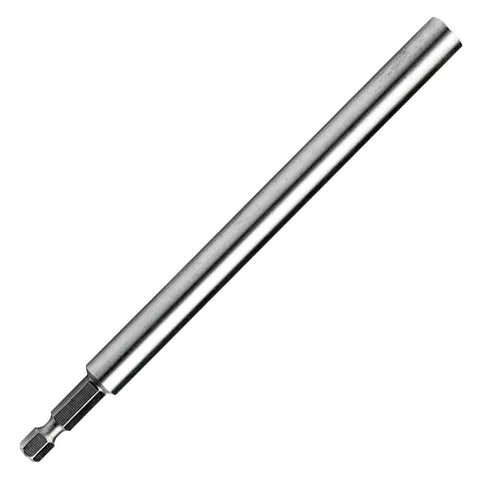
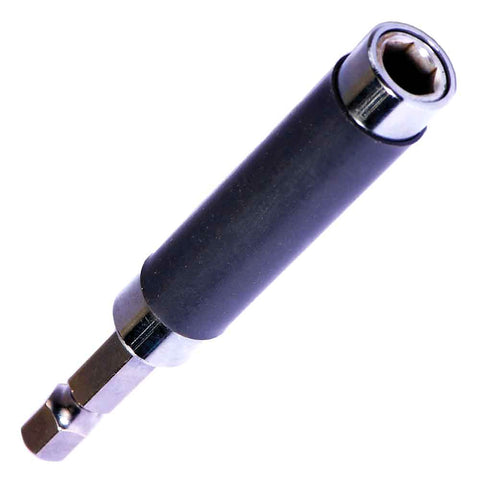
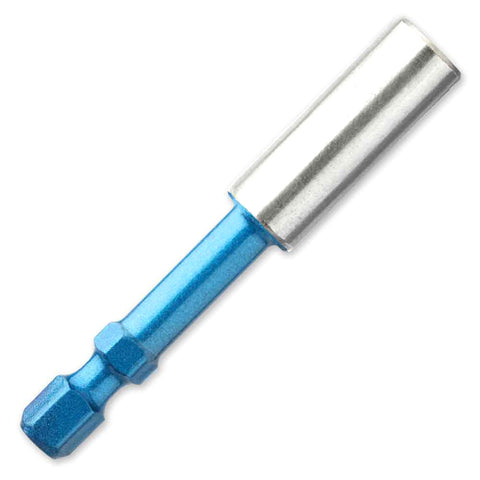
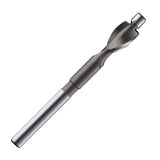
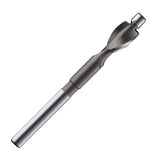
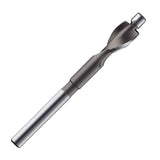
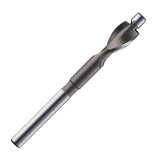
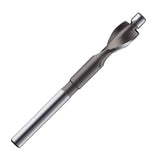
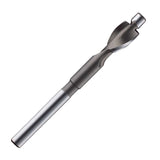
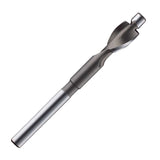
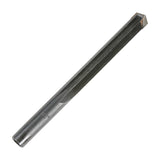
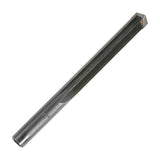
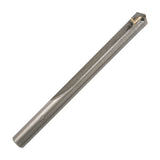
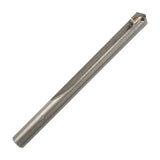
Quick answer: the best deburring tool for metal holes is a pointless Weldon-style countersink (no pilot tip, one cutting edge) run slowly in a drill. One tool cleans every hole inside its range. For holes from 3/16 to 15/32 in. that is the Weldon CS-18 ($18.04 each, minimum order 10), or CS-18H with a hex shank for an impact driver. Buy 82° if you also set US flat-head screws, so one tool does both jobs. Buy 90° (the Weldon DB series) when a drawing calls for a 45° edge break or the screws are metric.
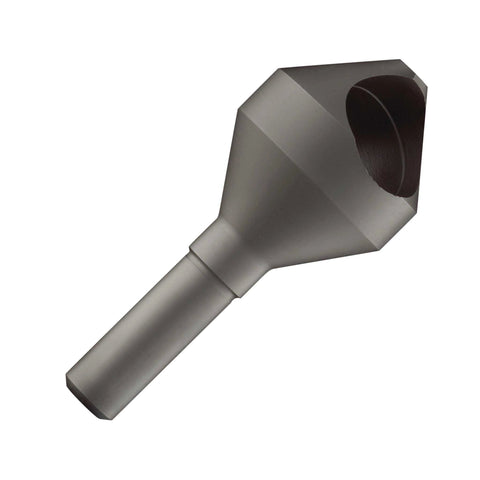
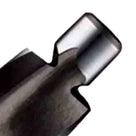
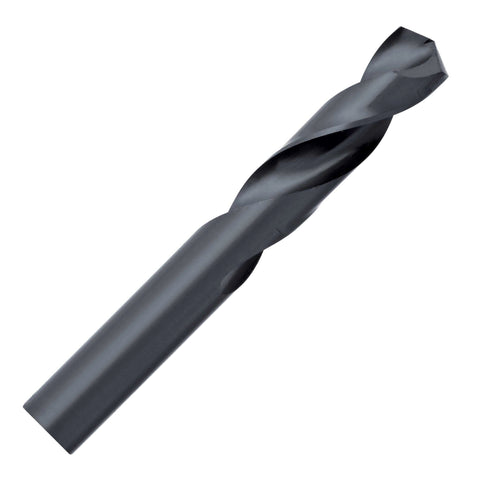
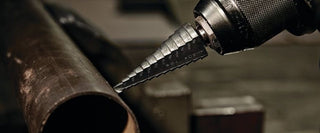
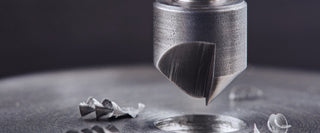
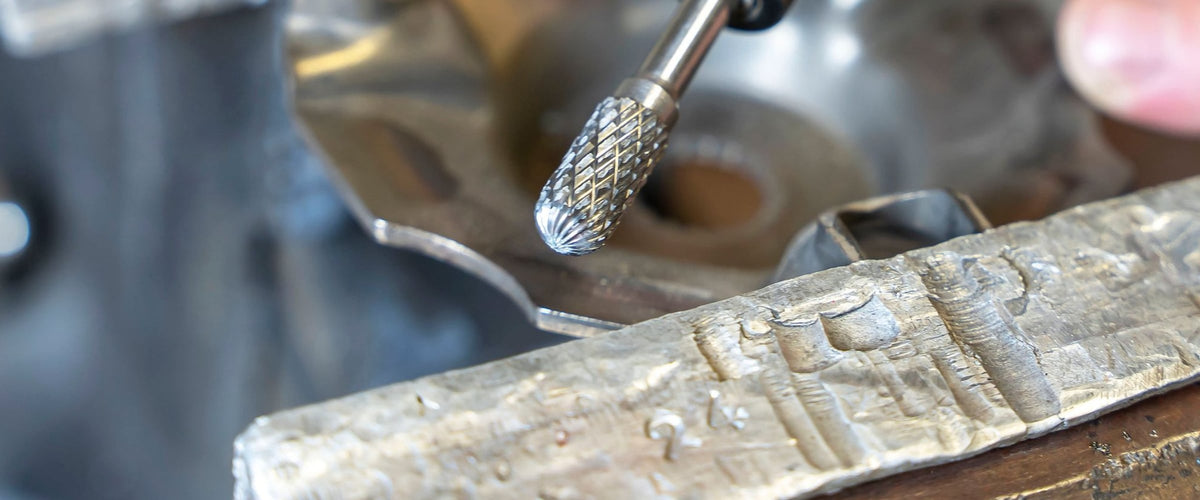
Every drilled hole leaves a lip. The deburring tool for metal that most shops keep in the drill is a countersink: a single-edge cone that shaves the burr and leaves an even ring around the hole. Choosing one takes three calls: the angle, the hole size, and what's spinning it. Tap your hole size below and the gauge shows the tool to buy.
How do you choose a deburring tool for metal?
Make three calls, in this order.
What is the hole for?
If a flat-head screw goes in it, match the screw: 82° for US inch screws, 90° for metric. If it only needs the sharp lip gone, either angle works. A 90° tool cuts the 45° edge break most drawings call for.How big is the hole?
A pointless countersink is sold by range: the smallest hole its tip will enter, and the widest chamfer it can cut. Your hole has to be at least the small number, and the hole plus the chamfer on both sides has to stay under the large one.What's spinning it?
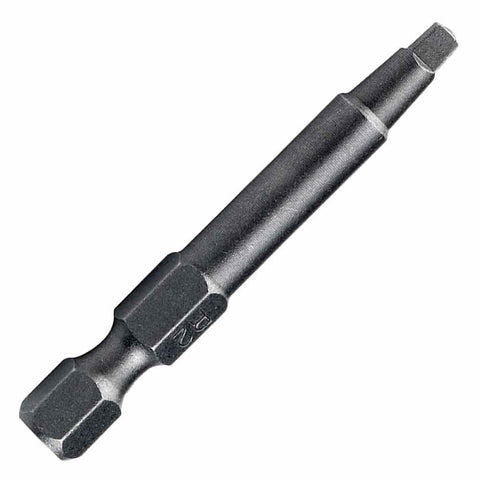
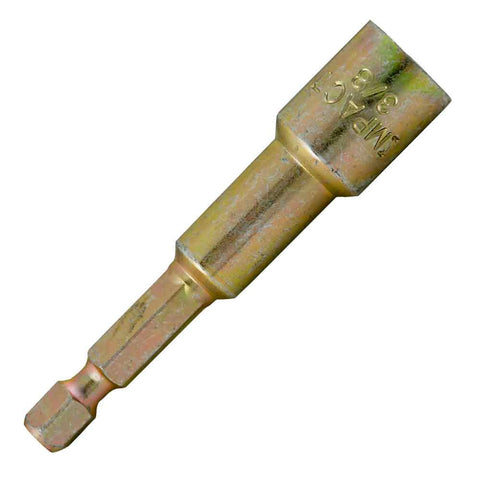
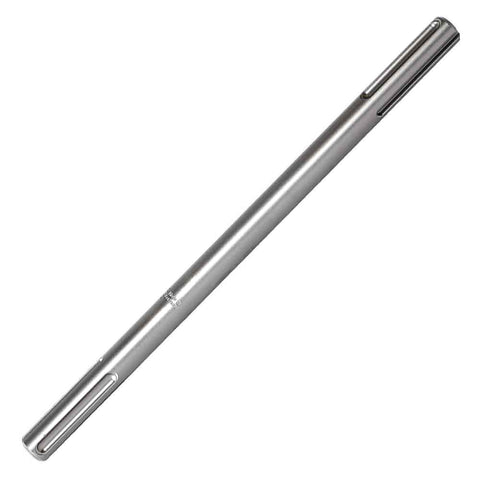
Round shanks go in a drill or drill press. The H tools (CS-3H, CS-8H, CS-18H) have a hex shank for quick-change chucks and impact drivers.
Should you deburr with an 82° or a 90° countersink?
Either angle takes the burr off. The difference is how deep the tool sinks to make the same ring, and which screw head fits the cone afterward. A narrower angle has to go deeper to cut the same width, so it removes more metal from a thin wall.
Chamfer width (each side) |
60° sinks |
82° sinks |
90° sinks |
|---|---|---|---|
Light edge break, 1/64 |
.027 |
.018 |
.016 |
Standard, 1/32 |
.054 |
.036 |
.031 |
Heavy, 1/16 |
.108 |
.072 |
.063 |
Our arithmetic: depth = chamfer width ÷ tan(half the angle), in inches.
Our customers buy far more 82° tools: about 14,800 Weldon 82° countersinks since 2001, against fewer than 300 of the 90° deburring tools. If you also set US flat-head screws, buy 82°, because one CS-18 does both jobs. Buy 90° when the print reads something like .02 × 45°, when the screws are metric, or when the tool is only ever for deburring. Why US screws use 82° is covered in our counterbore vs countersink guide, along with the screw-by-screw countersink table.
The 60° Weldon DC tools cut a steeper bevel. For the same depth, the ring on the face stays narrower.
Single flute, zero flute or three flute: which countersink chatters least?
Chatter is the tool bouncing, and it leaves a wavy, many-sided ring instead of a smooth cone. Flute style matters, but so do speed, feed and how rigid the setup is. The Weldon tools in this guide are zero flute, so they suit deburring and flush screws in aluminum. For heavy countersinking in hard steel or stainless, call us first.
Style |
How it cuts |
Best for |
Do we stock it? |
|---|---|---|---|
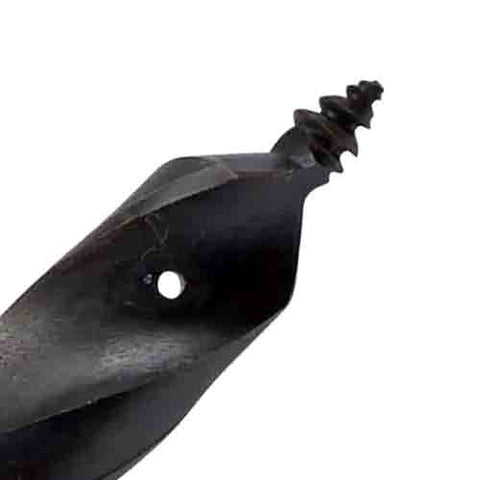
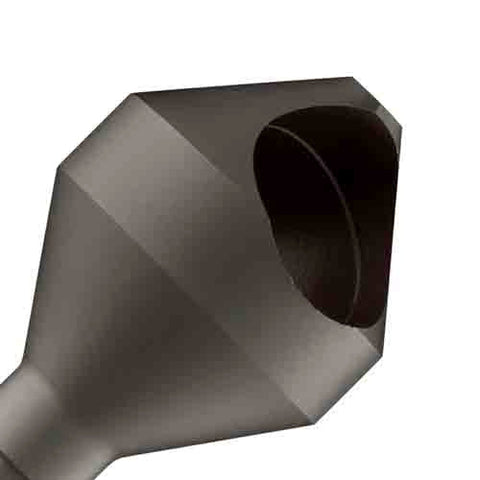
Zero flute (cross hole), also called Weldon style |
The edge of a hole through the side of the cone |
Deburring, and countersinking aluminum, wood and plastic |
Yes: the Weldon tools in this guide |
Single flute |
One fluted cutting edge |
Holes too small for multi-flute tools, or when multi-flute tools chatter |
Not as a separate line |
Three or four flute |
Several edges taking turns |
General countersinking in hand drills and drill presses |
No |
Three things stop chatter with any countersink. Run at about a third of the speed you'd drill a hole that size: for a 1/4 in. countersink that's roughly 1,150 RPM in aluminum, 585 in mild steel and 380 in stainless. Keep steady pressure, because too light a feed invites chatter. And keep the setup short and rigid, with a drop of cutting oil in steel. Our drill speed chart lists drilling RPM by size.
Can you deburr holes with a countersink in an impact driver?
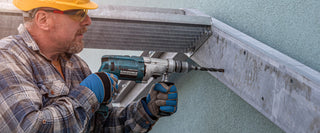
Yes, with a hex-shank tool and a light trigger. Run it the way you'd start a screw: low speed, light pressure, and stop before the impact hammer starts. Hammering can chip the edge and rough up the ring. If your driver has a drill mode, use it. On a strut run or a row of hanger brackets, CS-18H covers every hole from 3/16 to 15/32 in. without a chuck change.
Which countersink fits which hole size?
Every Weldon pointless countersink and deburring tool we stock is in this table, priced by the piece, most with a minimum order of 5 or 10. The largest cut has to fit the hole plus the chamfer on both sides, so for a standard 1/32 in. chamfer the largest hole is 1/16 in. under the largest cut.
SKU |
Angle |
Shank |
Smallest hole |
Largest chamfer |
Largest hole, 1/32 chamfer |
Price per piece |
Min. order |
|---|---|---|---|---|---|---|---|
82° |
Round, 1/4 |
.073 |
15/64 |
11/64 |
$14.15 |
10 |
|
82° |
Hex |
5/64 |
15/64 |
11/64 |
$11.46 |
10 |
|
82° |
Hex |
1/8 |
11/32 |
9/32 |
$11.46 |
10 |
|
82° |
Round, 1/4 |
3/16 |
15/32 |
13/32 |
$15.11 |
10 |
|
82° |
Round, 1/4 |
3/16 |
17/32 |
15/32 |
$18.04 |
10 |
|
82° |
Hex |
3/16 |
17/32 |
15/32 |
$18.04 |
10 |
|
82° |
Round, 1/4 |
.307 |
25/32 |
23/32 |
$31.83 |
5 |
|
82° |
Round, 1/2 |
.307 |
25/32 |
23/32 |
$31.83 |
5 |
|
82° |
Round, 1/2 |
.431 |
7/8 |
13/16 |
$54.09 |
1 |
|
82° |
Round, 1/2 |
1/2 |
1-15/32 |
1-13/32 |
$123.44 |
1 |
|
90° |
Round, 3/16 |
1/64 |
11/64 |
7/64 |
$22.59 |
5 |
|
90° |
Round, 3/16 |
1/16 |
11/64 |
7/64 |
$11.85 |
5 |
|
90° |
Round, 1/4 |
1/8 |
15/64 |
11/64 |
$12.45 |
5 |
|
90° |
Round, 1/4 |
5/32 |
13/32 |
11/32 |
$14.35 |
5 |
|
90° |
Round, 1/4 |
3/16 |
17/32 |
15/32 |
$17.74 |
5 |
|
90° |
Round, 1/4 |
5/16 |
25/32 |
23/32 |
$31.40 |
2 |
|
90° |
Round, 1/2 |
5/16 |
25/32 |
23/32 |
$31.40 |
2 |
|
90° |
Round, 1/2 |
9/16 |
1-3/32 |
1-1/32 |
$53.56 |
1 |
|
90° |
Round, 1/2 |
1/2 |
1-15/32 |
1-13/32 |
$122.11 |
1 |
|
90° |
See product page |
1-1/16 |
2 |
1-15/16 |
$217.59 |
1 |
|
90° |
See product page |
2 |
3 |
2-15/16 |
$288.29 |
1 |
|
60° |
Round, 3/16 |
3/32 |
11/64 |
7/64 |
$12.81 |
10 |
|
60° |
Round, 1/4 |
1/8 |
15/64 |
11/64 |
$13.47 |
10 |
|
60° |
Round, 1/4 |
3/16 |
13/32 |
11/32 |
$15.29 |
10 |
|
60° |
Round, 1/4 |
5/16 |
17/32 |
15/32 |
$19.35 |
5 |
|
60° |
Round, 1/4 |
7/16 |
25/32 |
23/32 |
$34.07 |
5 |
|
60° |
Round, 1/2 |
7/16 |
25/32 |
23/32 |
$34.07 |
5 |
|
60° |
Round, 1/2 |
11/16 |
1-3/32 |
1-1/32 |
$58.07 |
5 |
Prices and minimums from our product catalog on Nov 9, 2026, per piece. Stock moves on these, so call (833) 4-ETOOLS for a ship date before you schedule the job. Screw-specific countersinks (CS-5S to CS-10S) and piloted ones (CS8 to CS16) are in the counterbore vs countersink guide.
Building your own countersink set
We don't sell a boxed countersink set. Three or four tools cover almost every hole a fab or install crew drills. Ranges below are for a standard 1/32 in. chamfer:
Set |
Tools |
Covers holes |
One of each |
First order at minimums |
|---|---|---|---|---|
Truck set |
1/8 to 13/16 in. (CS-36 needs a 1/2 in. chuck) |
$83.59 |
$349.09 |
|
Bench set, 82° |
1/8 to 1-13/32 in. (CS-36 and CS-48 need a 1/2 in. chuck) |
$207.03 |
$472.53 |
|
Deburr-only set, 90° |
5/32 to 1-1/32 in. (DB-36 needs a 1/2 in. chuck) |
$99.31 |
$188.11 |
What do you need to go from bare hole to flush screw?
A countersink is one step in a short job. The table lists every tool for the common flat-head screws, with the bit, tap and countersink sizes matched: drill the clearance hole, countersink it, then drill, edge-break and tap the base. The kit builder under it puts them in order and adds up the first order. The list is built from what our glazing and fab customers buy together.
Flat-head screw |
Clearance drill |
Countersink |
Countersink, impact |
Tap drill |
Tap |
|---|---|---|---|---|---|
#6-32 |
#25 drill (.1495), $1.92, min. 24 |
CS-6S 82° for #6, $10.77, min. 10 |
CS-8H 82° hex, $11.46, min. 10 |
#36 drill (.1065), $1.59, min. 24 |
071041 6-32 tap, $7.37, min. 12 |
#8-32 |
#16 drill (.177), $2.57, min. 24 |
CS-8S 82° for #8, $11.46, min. 10 |
CS-8H 82° hex, $11.46, min. 10 |
#29 drill (.136), $1.83, min. 24 |
071043 8-32 tap, $7.37, min. 12 |
#10-24 |
#7 drill (.201), $2.86, min. 24 |
CS-10S 82° for #10, $13.46, min. 10 |
CS-18H 82° hex, $18.04, min. 10 |
#25 drill (.1495), $1.92, min. 24 |
071045 10-24 tap, $7.37, min. 12 |
#10-32 |
#7 drill (.201), $2.86, min. 24 |
CS-10S 82° for #10, $13.46, min. 10 |
CS-18H 82° hex, $18.04, min. 10 |
#21 drill (.159), $2.07, min. 24 |
071046 10-32 tap, $7.37, min. 12 |
1/4-20 |
17/64 drill (.266), $3.88, min. 12 |
CS8-2 82° piloted, $20.90, min. 10 |
CS-18H 82° hex, $18.04, min. 10 |
#7 drill (.201), $2.86, min. 24 |
071000 1/4-20 tap, $7.08, min. 6 |
Through-bolted with a nut instead? Skip the tap drill and tap, and deburr the back of the clearance hole with a 90° DB tool. The edge break on a tap hole takes DB-6 for #6 and #8 tap holes, or DB-8 for #10 and 1/4-20. On a big 10-24 run, the 10-24 combination drill-tap ($15.71 each, minimum 4) drills and taps in one pass.
Tap drills match our tap drill size chart. For choosing the drill bit itself, see how to choose drill bits for metal.
Which deburring tool goes on the truck, by trade?
Glazing and storefront
Glass and aluminum shops have bought more of our countersinks than any other trade: most of the customers who've ordered a Weldon countersink since 2001, and most of the units. The workhorses are CS-10S for #10 flat heads in door hardware and storefront framing, and CS-18 for holes from 3/16 to 15/32 in. This Weldon style is at its best in aluminum. Kit them with a #21 drill and a 10-32 tap, or a #25 drill and a 10-24 tap. Shower door crews drilling glass need the diamond version instead: see the diamond end mill and tile countersink guide and frameless shower door installation.
Metal fabrication
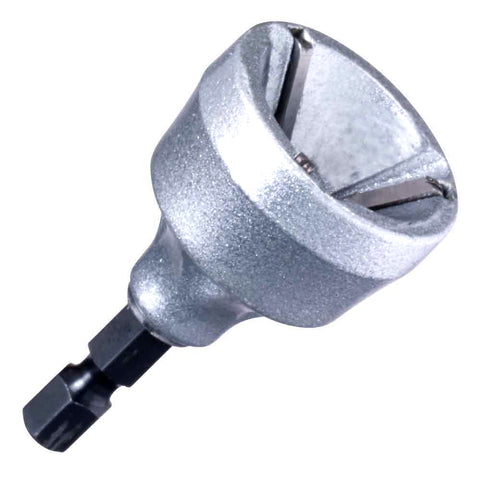
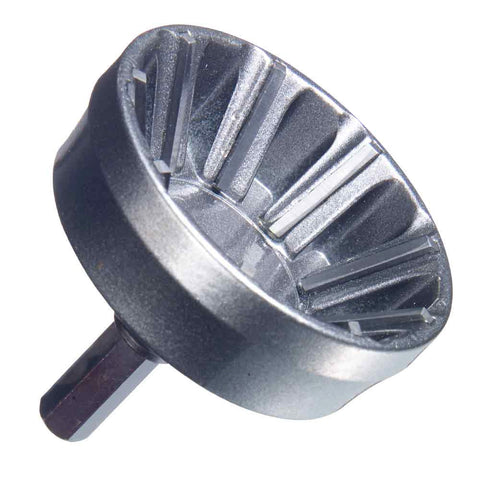
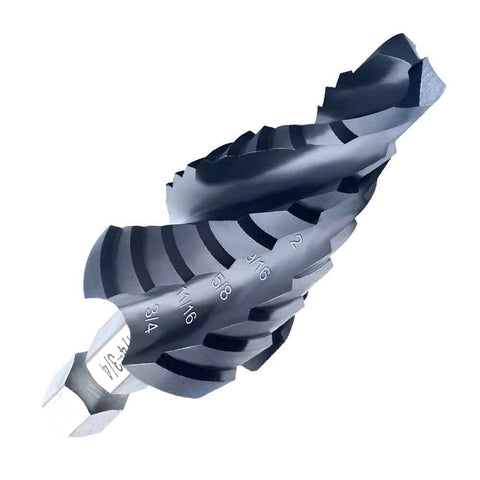
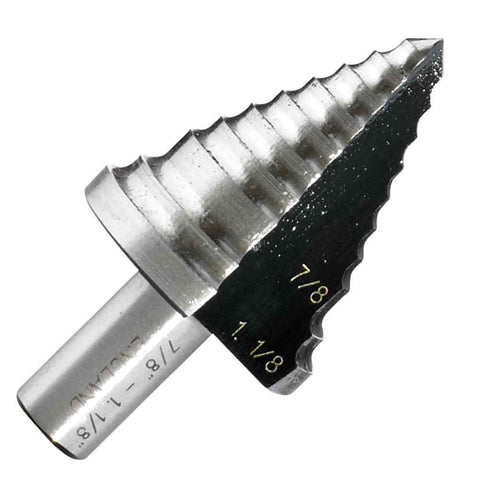
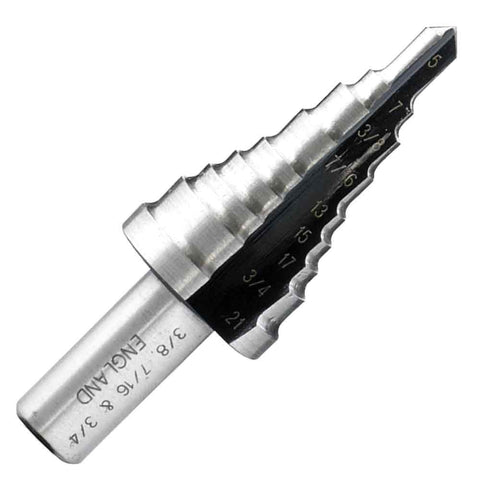
Strut, angle and plate get CS-18H in an impact for holes up to 15/32 in., which covers 3/8 in. bolts. For 1/2 to 3/4 in. bolt holes, use CS-36 in a drill with a 1/2 in. chuck. Step-drilled 7/8 in. knockouts from a 12-step drill clean up with DB-36, also a 1/2 in. shank. Our step drill guide covers which bit cuts which hole. To smooth the outside of a cut bolt or rod, the BAR-01 outer chamfer ($24.98 each, minimum 2) runs on a 1/4 in. hex shank. Rough edges on cut stock are a job for a flap disc or a carbide burr, not a countersink.
Plumbing and mechanical
Holes in hanger brackets, strut and pump bases take the same CS-18H. The inside of a cut pipe is different: a countersink can wander on the thin wall. Use one of our pipe reamers, covered in what is a reamer.
First time deburring a hole?
Drill the hole, then put the countersink in the same drill.
Set the drill slow. If it has a speed range, use low.
Rest the tip in the hole, square to the surface, and press lightly for one or two seconds. You'll see a bright, even ring.
Flip the part and do the back side. That burr is usually bigger.
Not sure which to buy first? CS-18H ($18.04 each, minimum 10, so $180.40 to start) cleans holes from 3/16 to 15/32 in. in a drill or an impact driver. For a smaller first order, DB-14 ($14.35 each, minimum 5, so $71.75) handles 5/32 to 11/32 in. holes in a drill.
"Every drilled hole needs finishing. The right countersink comes down to three calls: angle, hole size and what’s driving it."
David Castro, President, Eldorado Tools
FAQ
What is a deburring tool used for?
It removes the sharp lip a drill, saw or punch leaves on metal, so the edge can't cut a hand, a wire or a gasket. It also lets a screw head or tap start square. For drilled holes, the deburring tool is usually a countersink. For edges and pipe ends, it's a swivel blade, a burr or a reamer.
Is a countersink the same as a deburring tool?
For drilled holes, they do the same job. Weldon sells 82° countersinks (CS series) and 90° deburring tools (DB series), and both shave the edge of a hole with a cone.
What size countersink bit for a #8 screw?
An 82° countersink that cuts past the #8 head's .332 in. diameter. That's the CS-8S or the hex-shank CS-8H, each $11.46 with a minimum order of 10.
Can I deburr copper or steel pipe with a countersink?
Not the cut end. The wall is too thin for the cone to stay centered. Use an inner pipe reamer for the end, and the countersink for holes you drill through the pipe or its brackets.
Should I buy a swivel deburring tool or a countersink?
We don't sell swivel-blade hand tools. They work for scraping an edge or a few holes by hand. For a row of drilled holes, a countersink in a drill is faster, and the 82° one also sets flat-head screws.
What speed should a countersink run?
Slow: about a third of the speed you'd drill a hole the same size. Use steady pressure, and add cutting oil in steel and stainless.
Questions about a job? Call our team at (833) 4-ETOOLS or email sales@eldoradotools.com.
Sources: flute styles and the one-third countersinking speed from Tanner's countersink guide; chatter and feed advice and screw head angles from Wikipedia's countersink entry; tool ranges, shanks and minimums from Weldon specifications in our catalog. Chamfer depths are our own arithmetic. Prices from our catalog on Nov 9, 2026; order history through Oct 29, 2026.
Change log: first drafted Oct 29, 2026. Hole ranges corrected, flute section rewritten and interactive tools added Nov 9, 2026.