


























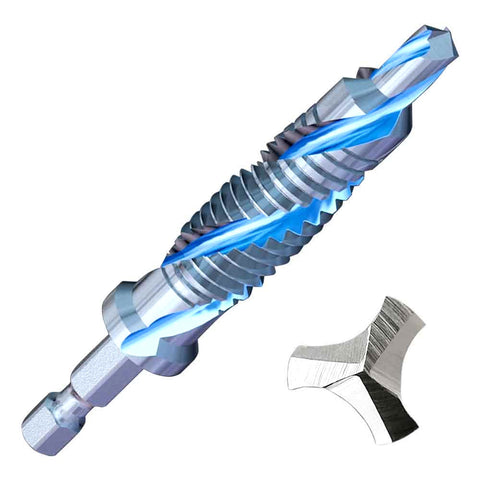
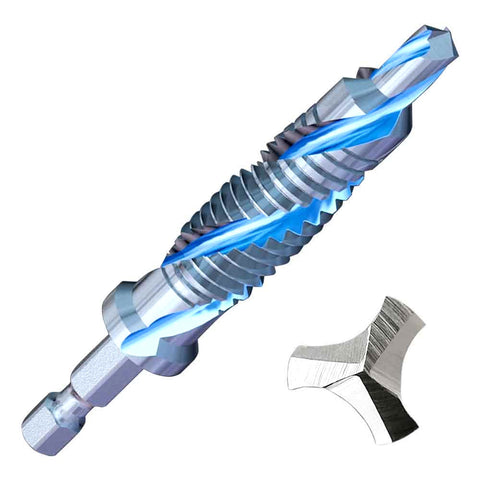
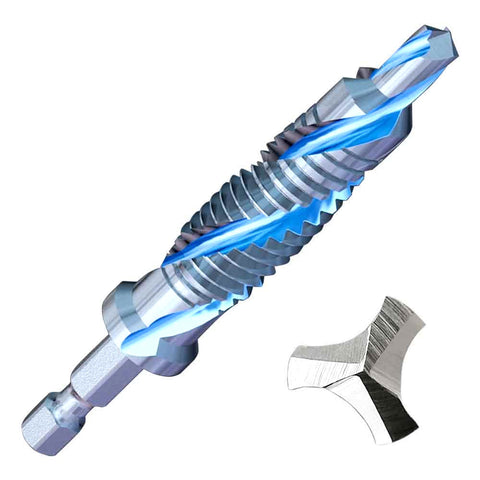
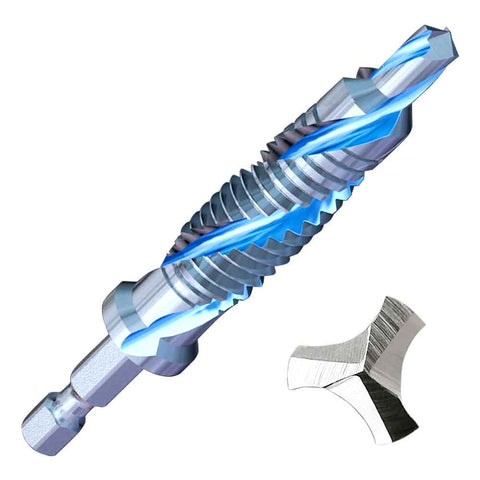


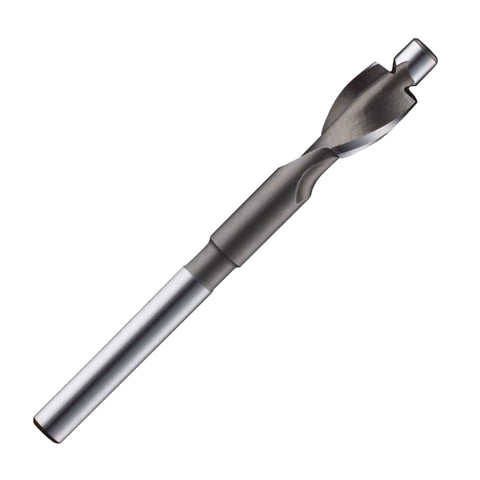
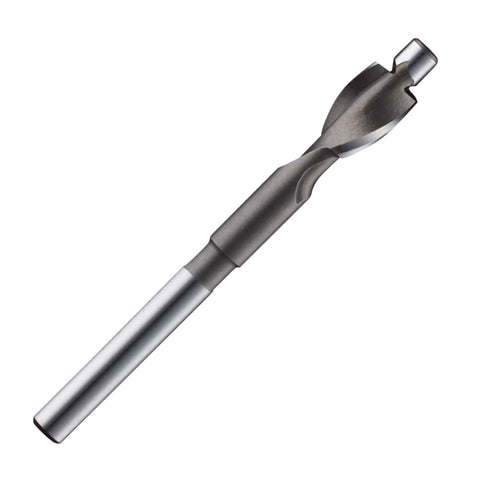
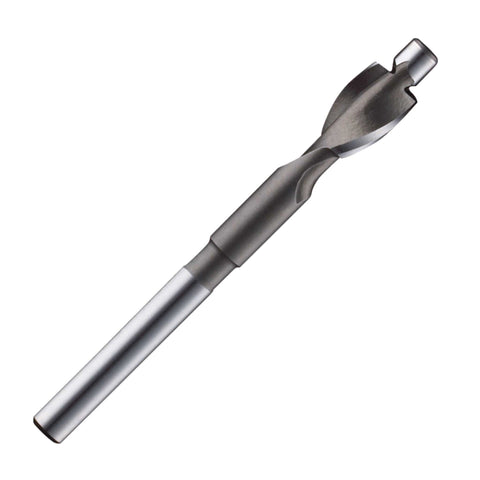

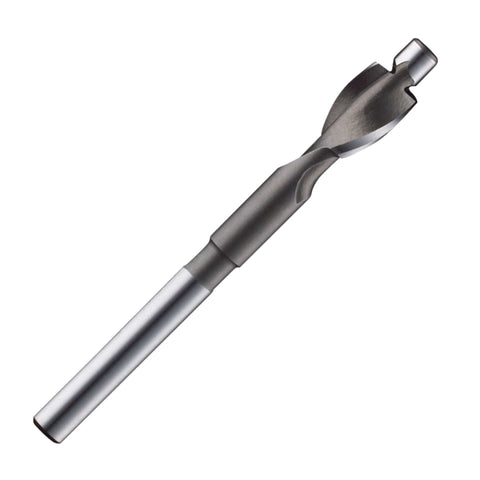

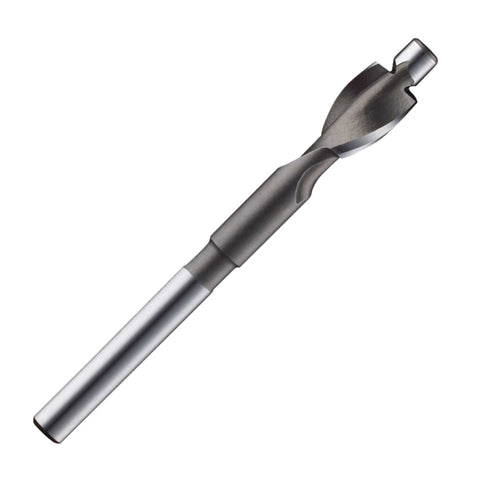
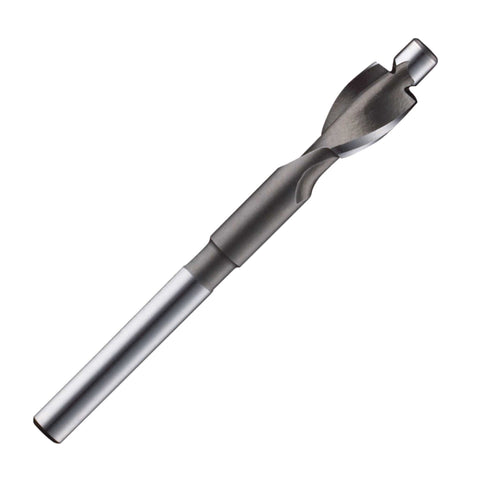


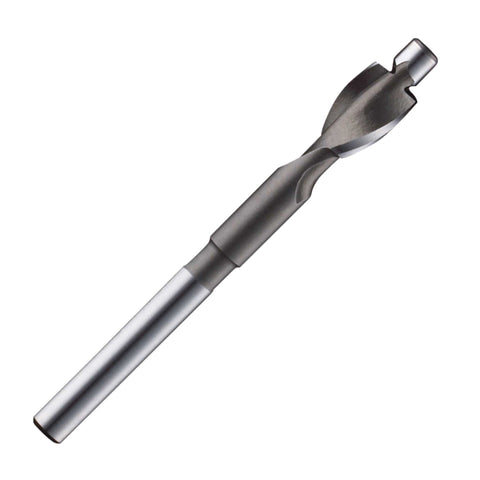
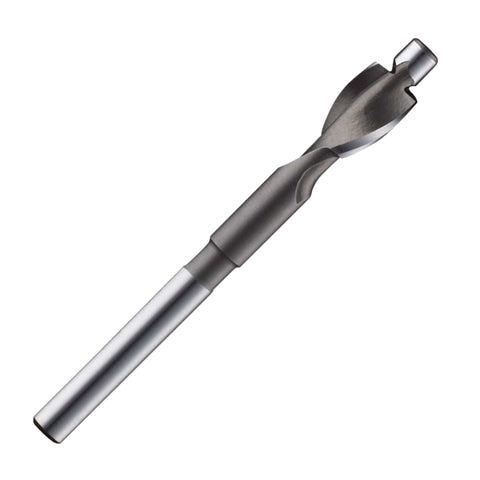















































































































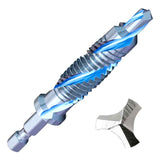
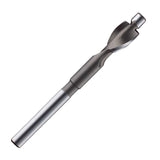

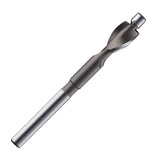

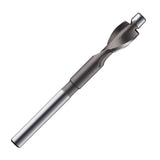
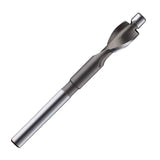































Cobalt vs Titanium Drill Bits vs Black Oxide: What Each Buys
Quick answer: Cobalt vs titanium drill bits comes down to what is under the surface. A cobalt bit is high-speed steel with 5 to 8% cobalt alloyed all the way through, so it keeps cutting at the heat stainless steel makes, and it can be resharpened. A titanium bit is plain high-speed steel with a thin titanium nitride coating. It lasts longer in mild steel and cast iron, and the coating is gone after the first sharpening. Black oxide is the same steel with an oil-holding finish and the lowest price. At 1/4 in. we sell them for $7.80, $5.68 and $2.60 a bit, made in the USA, by the sleeve.
What does the color of a drill bit tell you?
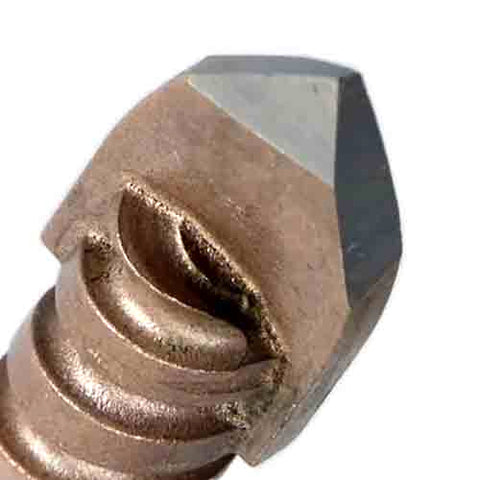
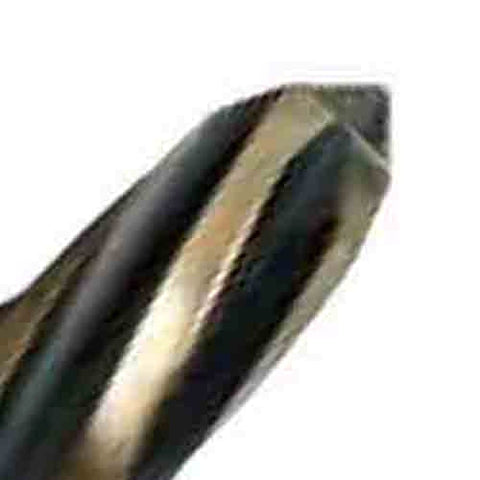
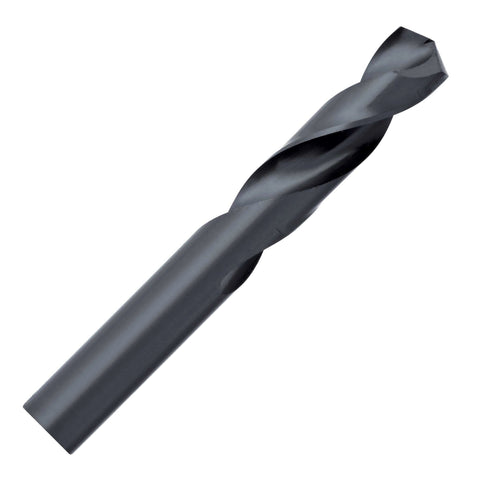
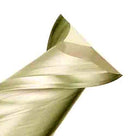
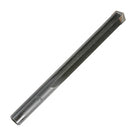
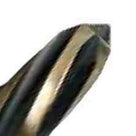
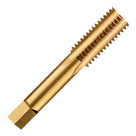
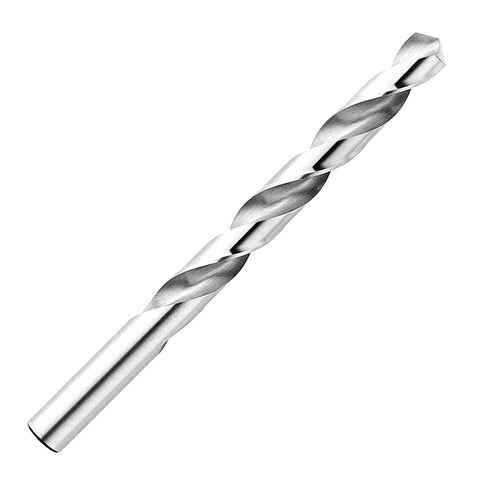
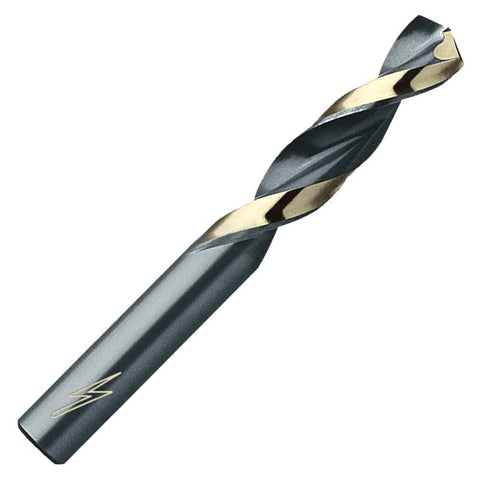
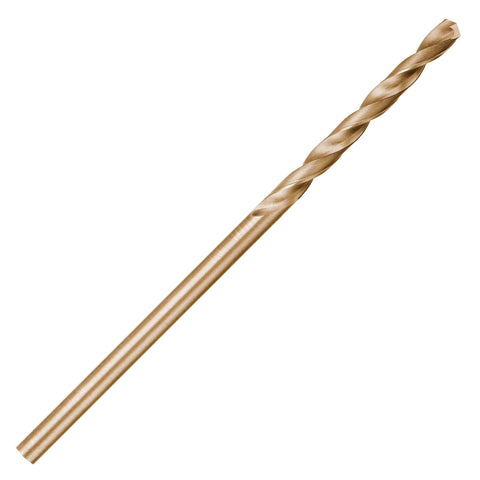
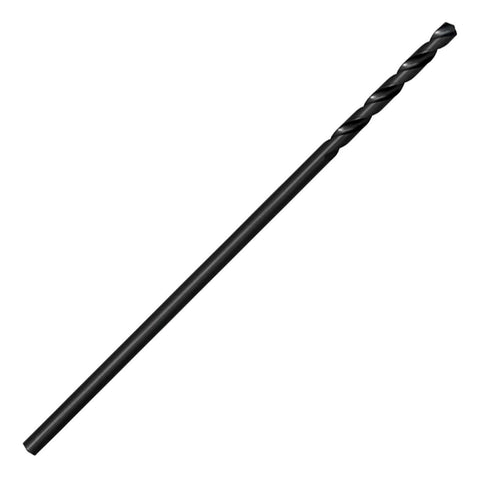
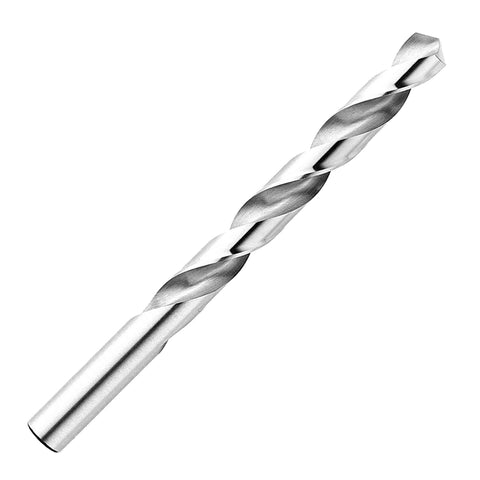
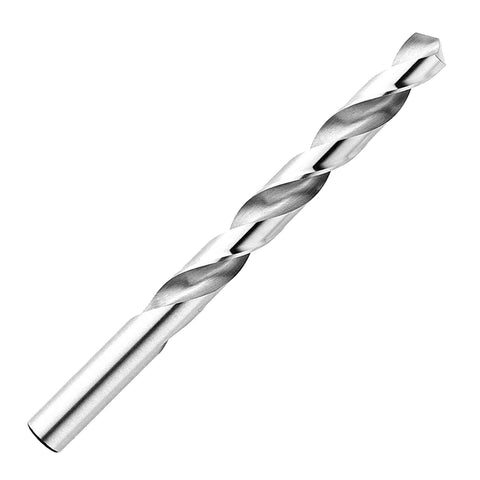
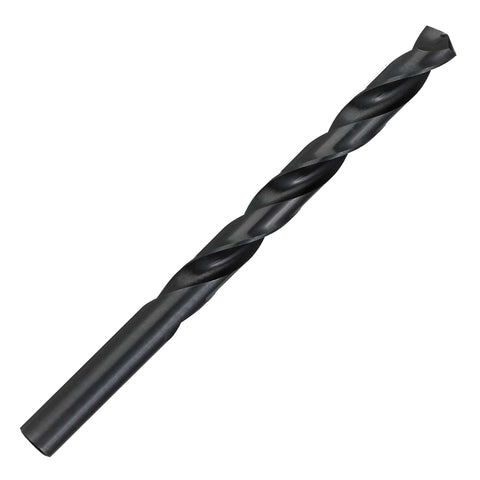
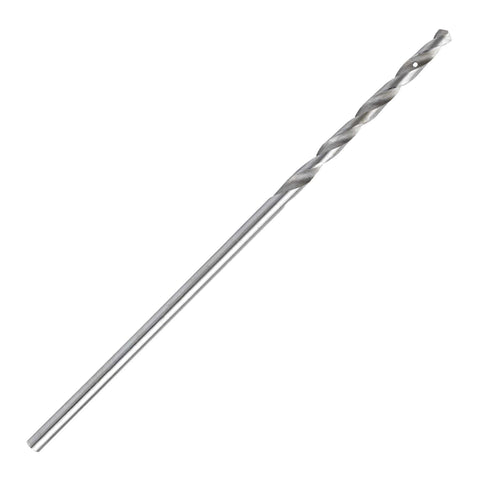
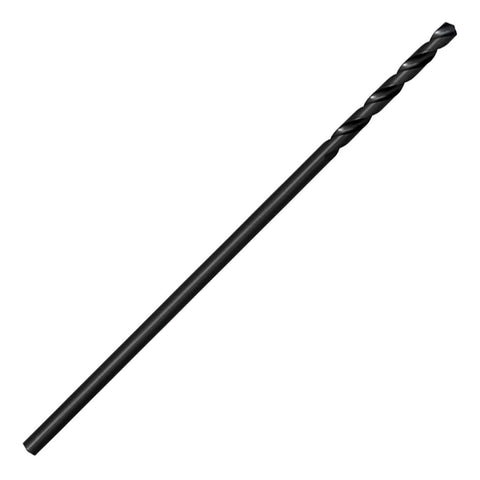
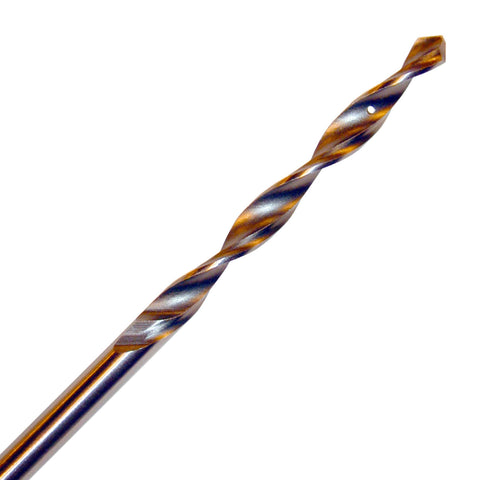
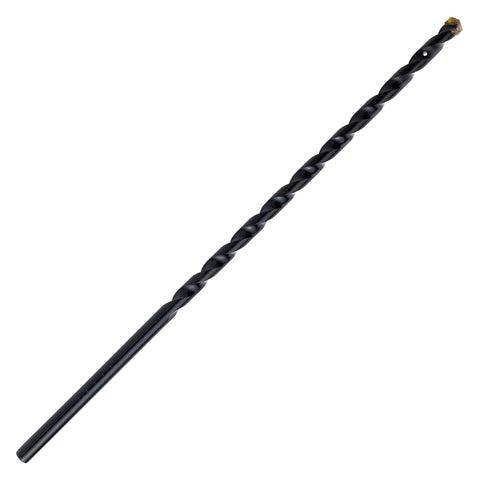
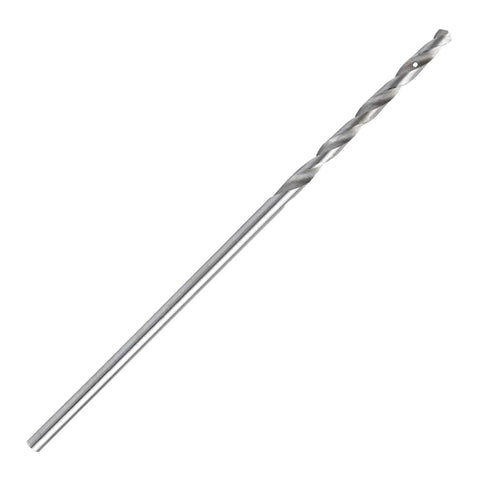
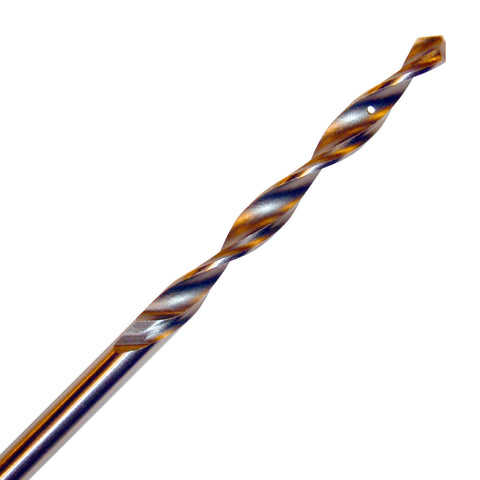
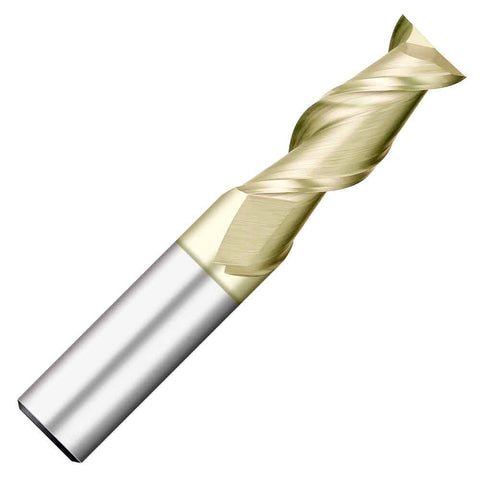
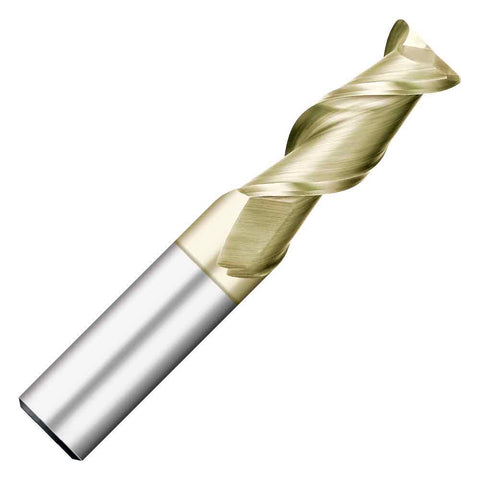
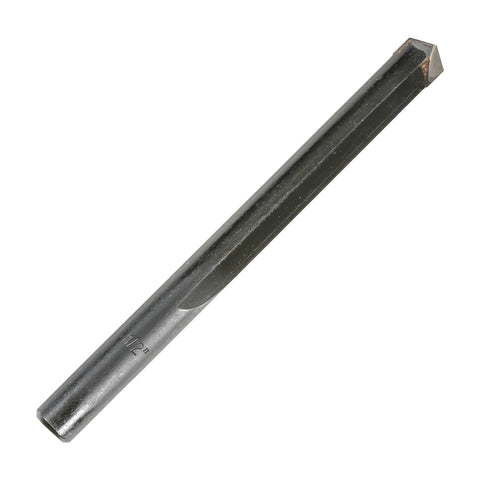
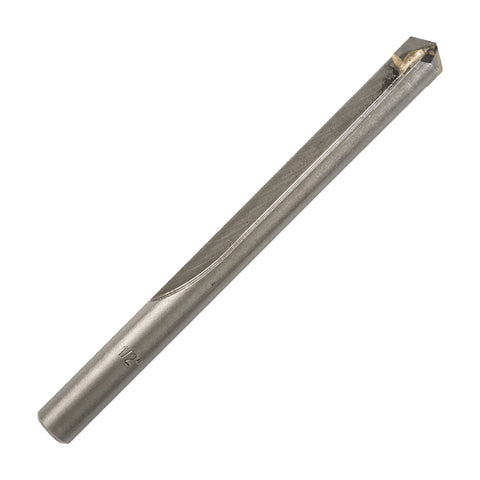
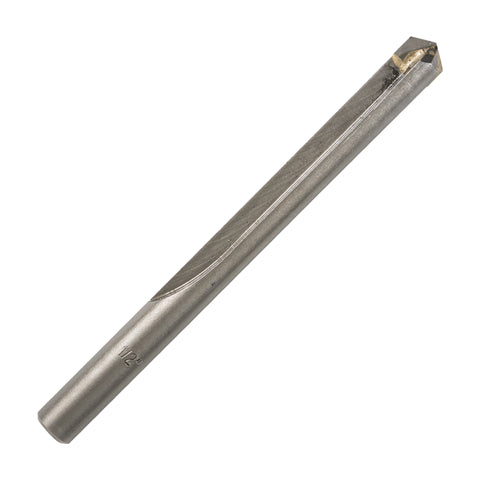
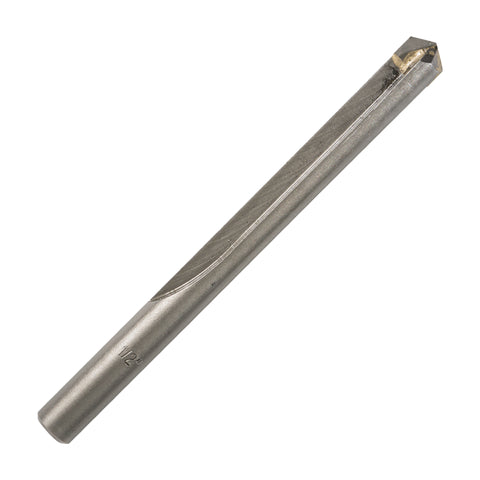
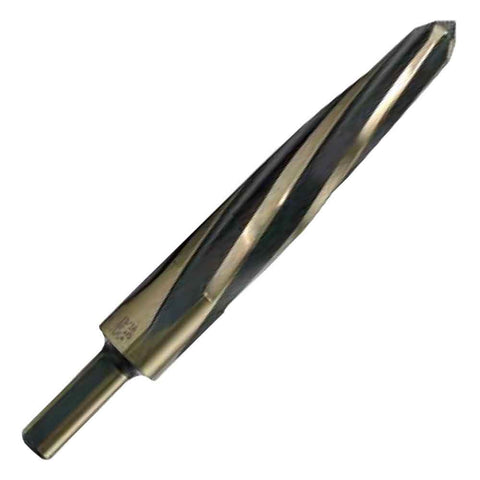
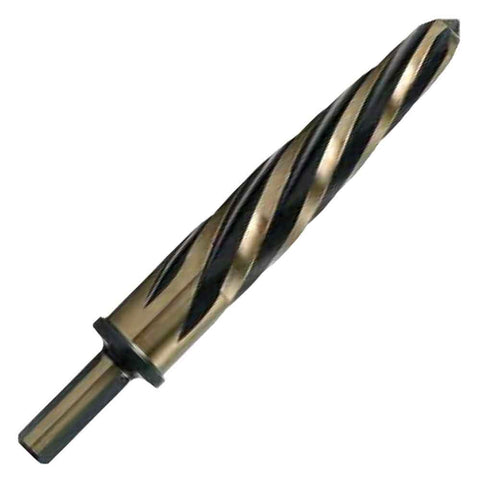
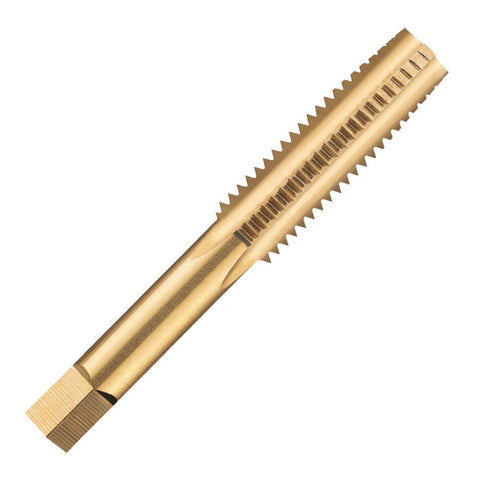
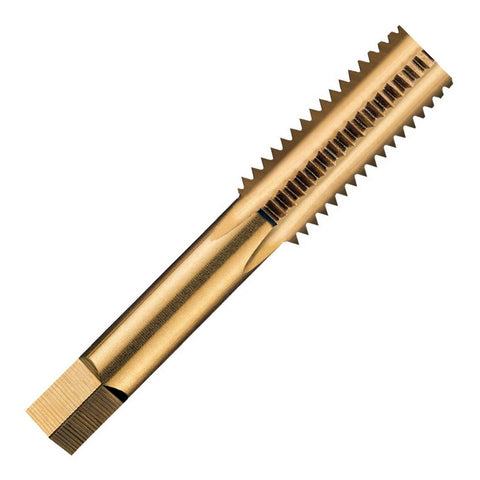
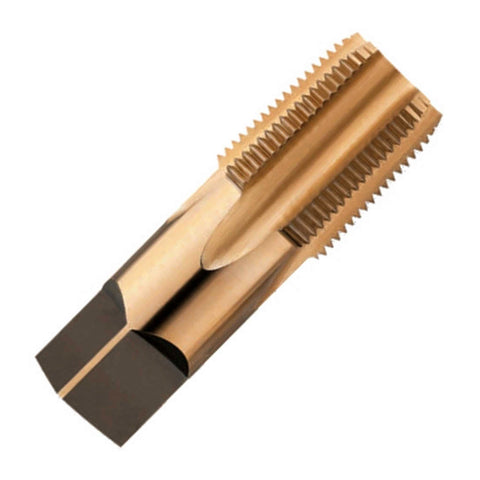
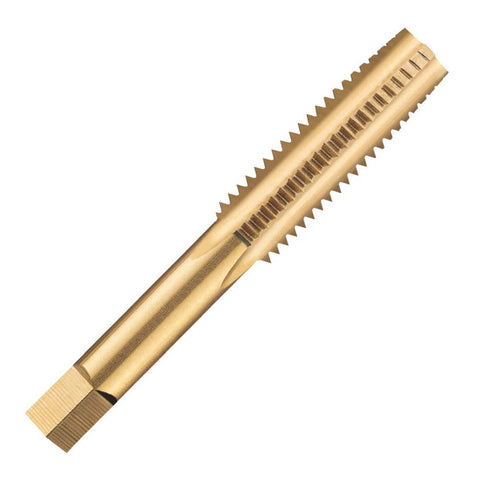
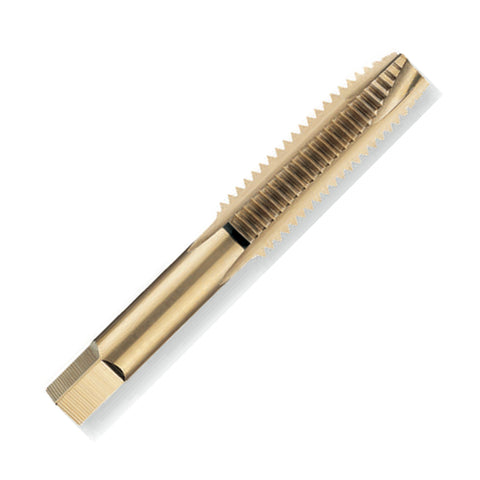
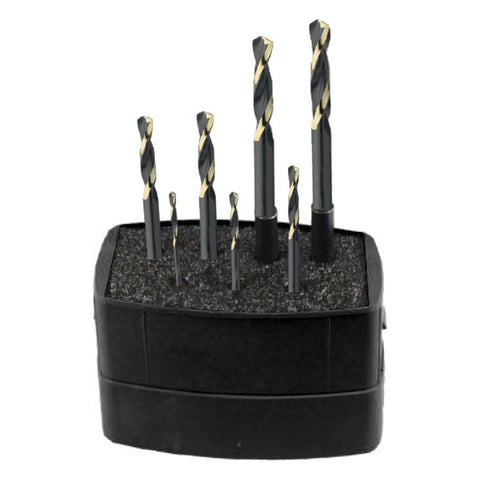
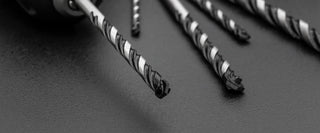
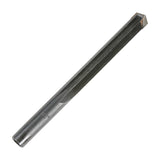
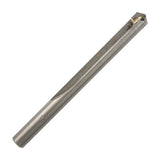
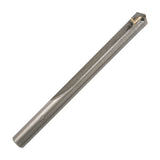
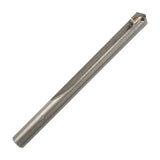
The color of a drill bit tells you the finish, not the steel. Gold usually means a titanium nitride (TiN) coating. Black means black oxide. Bronze, on a Triumph bit, means cobalt. A black bit with a gold tip is black and gold, which is not titanium at all. Only one of these, cobalt, changes the metal the bit is made of. The rest are surface treatments on the same high-speed steel.
What you see |
What it is |
What the color tells you |
Drills |
Our 1/4 in. bit |
|---|---|---|---|---|
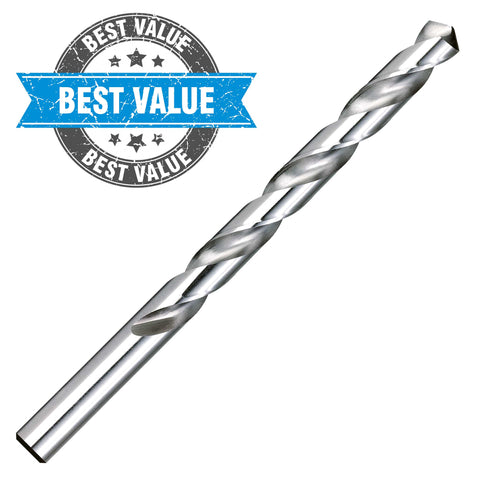
Gold all over |
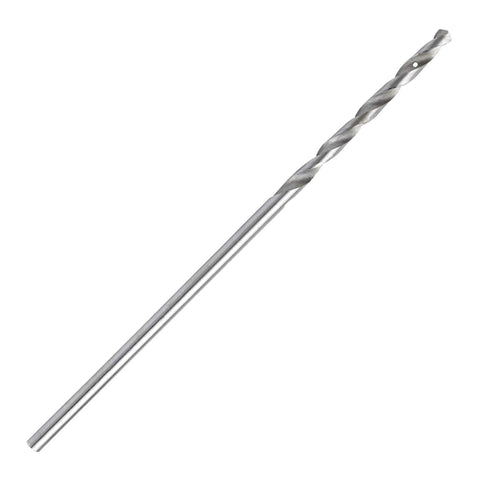
Titanium nitride (TiN) coating on high-speed steel |
A coating a few microns thick. It is not titanium metal. |
Mild steel, cast iron, aluminum, wood |
012816, $5.68, sleeve of 12 |
Gold tip, black body |
Black and gold: black oxide body, bronze oxide tip |
Not titanium. A heavy-duty 135° split-point HSS bit. |
Everyday steel, iron, aluminum, wood |
012516, $3.24, sleeve of 12 |
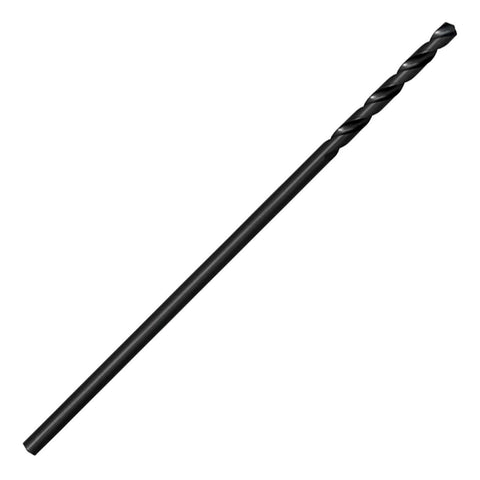
Black all over |
Black oxide finish on high-speed steel |
A conversion bath that holds oil and slows rust. It does not change the steel. |
Mild steel, iron, aluminum, plastic |
011416, $2.60, sleeve of 24 |
Bronze or copper brown |
Cobalt high-speed steel (HSS-Co) with a bronze oxide finish |
On a Triumph bit, bronze means cobalt. Other makers use gold or grey, so read the shank stamp. |
Stainless, cast steel, high-alloy, work-hardened spots |
013516, $7.80, sleeve of 12 |
Silver or bright |
Uncoated high-speed steel, usually a 118° point |
Nothing on the surface. |
Aluminum, brass, copper, plastic, wood |
JL.250BR, $2.27, sleeve of 24 |
Grey tip on a dark body |
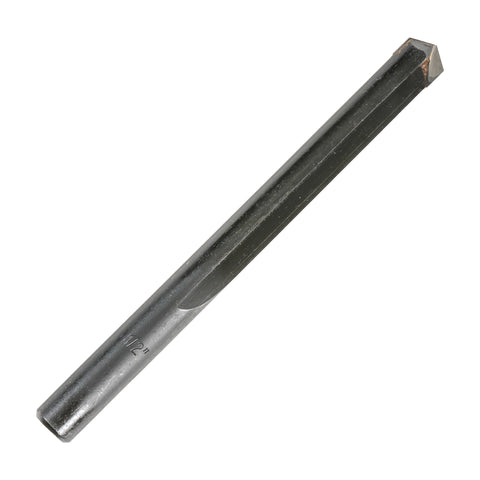
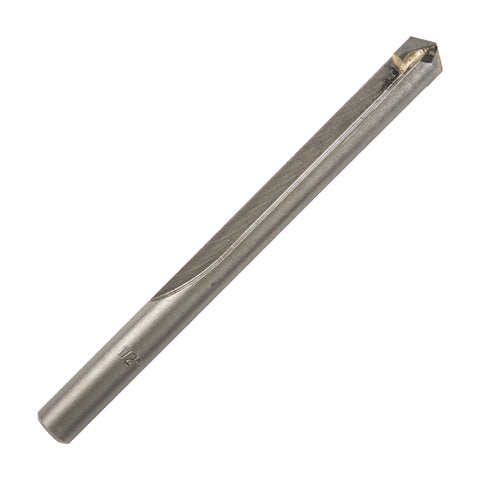
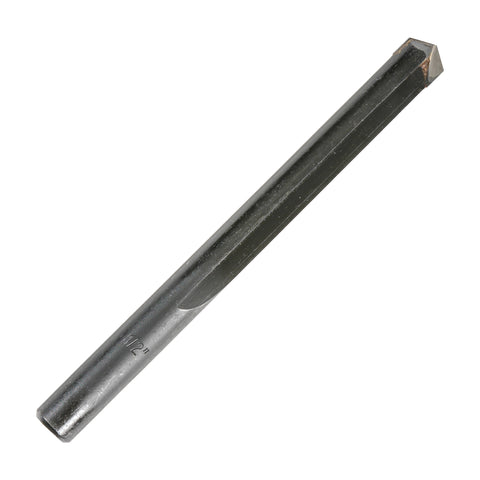
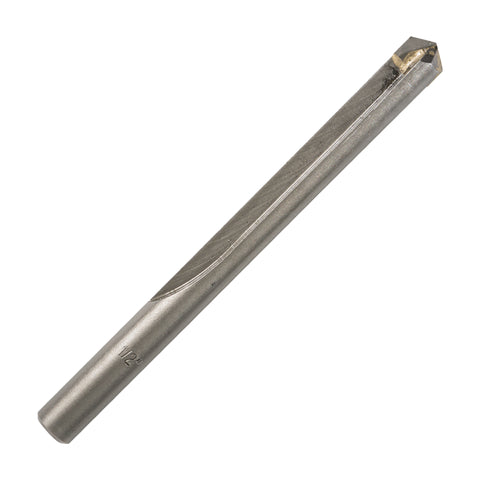
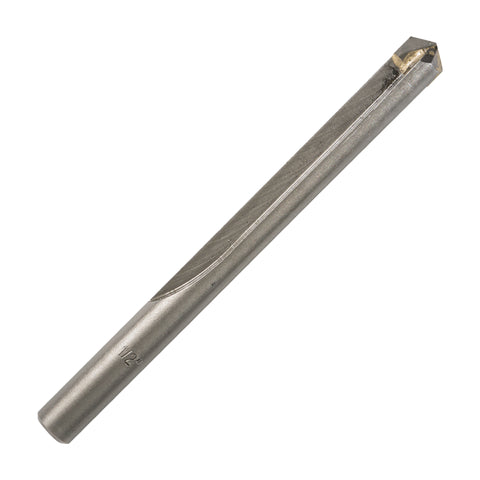
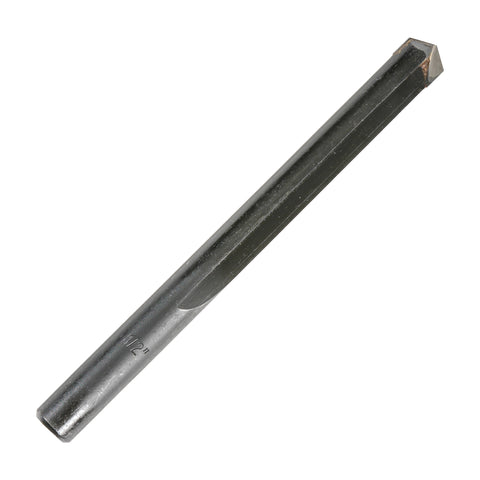
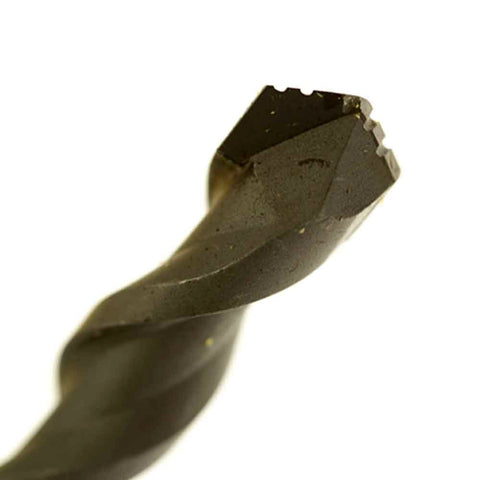
A brazed tungsten carbide tip on a steel body |
A different cutting material, not a finish. Brittle; wants a rigid setup. |
Hardened steel, cast iron, broken bolts |
CTJ.250, $16.77, sleeve of 4 |
Store prices on Nov 4, 2026. Every drill bit here is priced per bit and sold by the sleeve.
Cobalt vs titanium vs black oxide drill bits: what is each one?
A cobalt drill bit is a different alloy. A titanium drill bit and a black oxide drill bit are the same M2 high-speed steel with different surface treatments. That one fact decides everything below: where the advantage lives, what happens when you sharpen the bit, and what you should pay for it.
Trait |
Cobalt |
Titanium (TiN) |
Black oxide |
|---|---|---|---|
What it is |
High-speed steel alloyed with 5 to 8% cobalt all the way through |
M2 high-speed steel with a titanium nitride coating a few microns thick |
High-speed steel with a black conversion finish that holds oil |
Where the advantage lives |
In the steel: it stays hard when hot and survives resharpening |
On the surface: less friction, gone after the first resharpen |
On the surface: oil retention and rust resistance, no gain in heat |
Drills |
Stainless, cast steel, high-alloy steel, work-hardened spots |
Mild steel, cast iron, aluminum, wood, with longer life than oxide in steel |
Mild steel, iron, aluminum, wood, plastic |
Does not |
Pay for itself in mild steel or soft metal. Chips if the drill rocks. |
Hold up in stainless once the tip heats. Nothing to resharpen back to. |
Last in stainless or hardened steel |
Our 1/4 in. bit |
013516, $7.80, sleeve of 12, USA |
012816, $5.68, sleeve of 12, USA |
011416, $2.60, sleeve of 24, USA |
Price vs black and gold ($3.24) |
2.4 times |
1.75 times |
0.8 times |
Sizes we stock |
Jobber, 1/16 to 1/2 in., 29 sizes |
Jobber, 1/16 to 1/2 in., plus 12 sizes with a 1/4 in. hex impact shank |
Jobber 1/64 to 1/2 in., stubby 1/16 to 1/2 in. |
Verdict: Buy by the metal, not the color. Stainless or anything a file barely bites: cobalt. A run of holes in mild steel or cast iron with no resharpening: titanium. Everything else, and anything you sharpen: black oxide or black and gold, and spend the difference on a sleeve of the right size.
Five things you will read online about cobalt vs titanium drill bits that are wrong:
"Milwaukee Thunderbolt bits are cobalt." They are black oxide. Milwaukee's cobalt line is Red Helix.
"Coated bits cannot be resharpened." They can. You lose the coating at the edge and keep an HSS bit.
"Black oxide is made by heating the bit to 950°F." It is a chemical conversion bath. The finish does not change the steel's hardness.
"Galvanizing is highly abrasive." Zinc is soft. It gums the flutes; it does not wear the edge.
"Titanium bits last 3 to 6 times longer than HSS." No one publishes the test. The coating helps in mild steel and cast iron, and the first resharpen removes it.
Which drill bit coating for which metal?
For mild steel, buy a black and gold HSS bit: at 1/4 in. that is 012516 at $3.24, sleeve of 12. For stainless steel, buy cobalt: 013516 at $7.80, sleeve of 12. Every other metal fits one of the rows below. Prices are for 1/4 in.; the size table further down covers the rest.
Metal |
Buy this |
SKU |
Price per bit |
Sleeve |
Why |
|---|---|---|---|---|---|
Mild steel: angle, strut, studs, brackets, galvanized pipe |
Black and gold HD, 135° split point |
$3.24 |
12 |
The bit tradespeople buy from us by the thousand. The 135° point starts without a center punch. |
|
Same, lowest price per bit |
Black oxide HD, 135° split point |
$2.60 |
24 |
The 118° version 011216 is $2.20 (sleeve of 24) and walks unless you punch the hole. |
|
Stainless steel, 304 and 316, hard alloys |
Cobalt (HSS-Co), 135° split point |
$7.80 |
12 |
Cobalt keeps its hardness at the heat stainless makes. Run it at 600 RPM at this size. |
|
Cast iron, and daily mild steel with no resharpening |
TiN (titanium) HD, 135° split point |
$5.68 |
12 |
The coating cuts friction. It is worth $2.44 over black and gold when you drill all day and throw bits away rather than sharpen them. |
|
Metal with an impact driver |
TiN jobber, 1/4 in. hex impact shank |
$6.88 |
12 |
We do not put cobalt on a hex shank. Impact loads and a brittle alloy do not mix; TiN on tough M2 does. |
|
Aluminum, brass, copper, plastic |
Bright (uncoated) HSS, 118° point |
$2.27 |
24 |
Soft metal never gets a bit hot enough to need a coating. Chips flow off a bright flute. |
|
Hardened steel: a file skates off it |
Carbide-tipped jobber, 118° |
$16.77 |
4 |
Cobalt rubs on hardened steel. See Drill Bits for Hardened Steel for the file test and the carbide picks. |
Point angle, length and the two-diameters flute rule are covered in How to Choose Drill Bits for Metal. This guide only decides the coating.
What does cobalt cost over titanium and black oxide, size by size?
A cobalt bit costs 2.0 to 2.4 times a black and gold bit of the same size, and a titanium bit costs 1.6 to 1.9 times. The multiple holds from 1/16 in. to 1/2 in. The table is our store price per bit on Nov 4, 2026, for the five finishes we sell in jobber length.
Bit size |
Bright 118° ($) |
Black oxide HD 135° ($) |
Black and gold HD ($) |
TiN HD ($) |
Cobalt ($) |
|---|---|---|---|---|---|
1/16 in. |
0.91 |
1.15 |
1.45 |
2.53 |
2.64 |
1/8 in. |
1.00 |
1.36 |
1.70 |
2.85 |
3.40 |
3/16 in. |
1.48 |
1.93 |
2.24 |
3.42 |
4.78 |
1/4 in. |
2.22 |
2.60 |
3.24 |
5.68 |
7.80 |
5/16 in. |
3.40 |
4.42 |
4.96 |
9.15 |
11.46 |
3/8 in. |
4.92 |
5.98 |
7.10 |
13.65 |
17.28 |
7/16 in. |
6.73 |
8.94 |
9.82 |
17.22 |
21.46 |
1/2 in. |
8.45 |
10.56 |
12.14 |
19.63 |
27.07 |
Triumph Twist Drill, made in the USA. Bright 0110xx, black oxide HD 0114xx, black and gold ThunderBit 0125xx, TiN ThunderBit 0128xx, Cobalt ThunderBit 0135xx; the last two digits are the size in 64ths. Minimum order is a sleeve of 12 up to 1/4 in. and 6 above it for black and gold, TiN and cobalt; 24 or 36 for bright and black oxide at small sizes.
The sleeve changes the answer more than the price per bit does. At 1/4 in., the black oxide bit is cheaper per bit ($2.60) but its minimum is 24, so the sleeve is $62.40. The black and gold ThunderBit is $3.24 with a minimum of 12, so the sleeve is $38.88. The cheapest way to get 1/4 in. bits in the door is the black and gold sleeve. The cobalt sleeve of 12 is $93.60 and the TiN sleeve is $68.16.
Browse every size and finish in the jobber length collection.
Is a cobalt drill bit worth the money?
A cobalt drill bit is worth the money when it drills stainless steel or any steel that heats the edge, because there it outlasts the $3.24 bit by far more than the 2.4 times it needs to. In mild steel it is not worth it. The black and gold bit never gets hot enough for the cobalt to matter, so you pay 2.4 times for nothing.
The math is simple. At 1/4 in., cobalt costs $7.80 and black and gold costs $3.24. Cobalt has to make 2.4 times as many holes to cost the same per hole. In 304 stainless, a plain HSS bit may stop cutting after a few holes and a cobalt bit keeps going, so cobalt wins easily. In angle iron, both bits make many holes and the cheaper one wins.
What our trade customers buy says the same thing. In the last 12 months they bought 5,472 black and gold jobber bits on account, 24 cobalt bits and no TiN bits. Our single best-selling drill bit is a 1/8 in. black oxide stubby, CD30008 at $1.76, bought 4,920 at a time by a production shop. Shops that drill thousands of holes buy the cheapest 135° split point and treat it as a consumable. Coatings sell to people drilling a few holes in something hard.
So buy cobalt by the size you drill in stainless, not as a set. A 29-piece cobalt set costs a lot of money for 25 sizes you will not use in stainless. One sleeve of the right size costs less and covers a year of work.
Why does a titanium drill bit go dull after a few holes in stainless steel?
A titanium drill bit goes dull in stainless steel because the coating is only on the surface and stainless heats the cutting edge faster than any mild steel. Once the TiN wears off the tip, the bit is plain high-speed steel, and plain HSS loses its hardness at the temperature stainless makes. Then the bit rubs instead of cutting, the rubbing work-hardens the hole, and the next hole is harder still. Cobalt keeps its hardness at that heat, which is the whole reason it exists.
Speed does most of the damage. A cordless drill in high gear runs about 1,800 RPM. A 1/4 in. bit in stainless wants about 600 RPM. The full table by size and metal is in our drill speed chart; these four rows are from it.
Bit size |
Mild steel (RPM) |
Stainless steel (RPM) |
|---|---|---|
1/8 in. |
2,750 |
1,200 |
1/4 in. |
1,400 |
600 |
3/8 in. |
900 |
400 |
1/2 in. |
700 |
300 |
Three rules keep any of these bits alive in stainless: drop the drill to low gear, push hard enough to make a curled chip, and use cutting oil on every hole. A blue chip or a squeal means the edge is already too hot. No coating fixes a bit that was run at three times its speed.
Can you sharpen cobalt and titanium drill bits?
Yes, you can sharpen cobalt, titanium and black oxide drill bits on a bench grinder or a drill sharpener. What you get back is different. A sharpened cobalt bit is the same bit, because the cobalt is in the steel. A sharpened titanium bit is a plain M2 high-speed steel bit, because the coating is gone from the new edge. A sharpened black oxide bit is also plain HSS at the edge, and it lost nothing that mattered, since the finish never cut anything.
That is why cobalt makes sense for a shop that sharpens, and titanium makes sense for a crew that throws bits away. If you resharpen, the extra $2.44 for TiN at 1/4 in. buys you the first life of the bit only.
Stubby or jobber: does the length change which coating you buy?
The length does not change the coating choice, but it changes what we can sell you. Every cobalt and titanium bit we stock is jobber length. Stubby bits, also called screw machine length, come in black oxide and black and gold only. Our mechanics length bits sit between the two and have a 3-flat shank that will not spin in a keyless chuck.
Series |
1/4 in. flute length |
1/4 in. overall length |
Finishes we stock |
1/4 in. pick |
|---|---|---|---|---|
Stubby (screw machine) |
1-3/8 in. |
2-1/2 in. |
Black oxide, black and gold |
044416 black oxide, $2.40, sleeve of 24; 060416 black and gold, $3.00, sleeve of 12 |
Mechanics length, 3-flat shank |
2-3/32 in. |
3-1/2 in. |
Black and gold |
033316, $3.17, sleeve of 12 |
Jobber |
2-3/4 in. |
4 in. |
Bright, black oxide, black and gold, TiN, cobalt, carbide-tipped |
012516 black and gold, $3.24, sleeve of 12 |
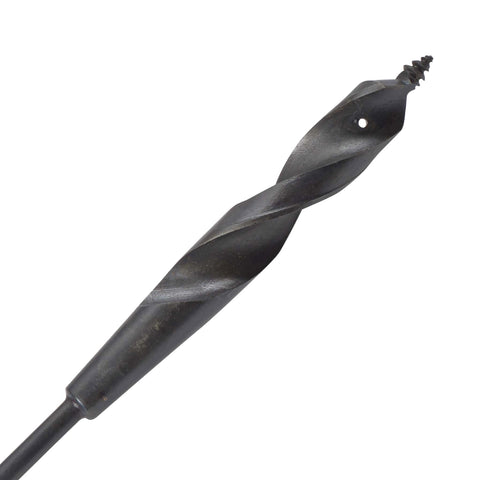
Pick the stubby for sheet metal, duct, panels and anywhere the drill has no room. A short bit flexes less, so it walks less and snaps less in thin stock. For stainless duct or an enclosure, where you want cobalt but need a short tool, use the cobalt jobber in a drill, or a cobalt step bit for knockouts; our step drill guide for stainless covers those. Holes over 1/2 in. in plate move to a Silver and Deming bit. Browse the stubby and mechanics length collection.
Who makes the best cobalt drill bits?
The best cobalt drill bits for a trade shop are solid cobalt high-speed steel with a 135° split point, sold by the size you need rather than as a set. Ours are made by Triumph Twist Drill in the USA: the Cobalt ThunderBit, 29 sizes from 1/16 to 1/2 in., $2.64 to $27.07 a bit, in sleeves of 12 or 6. Our Cobalt ThunderBit is [[PLACEHOLDER: M35 or M42, confirm the grade with Triumph]] cobalt steel.
The brands you see in a big box store are not different kinds of cobalt. Milwaukee Red Helix, DeWalt Industrial Cobalt, Bosch and Drill America cobalt bits are all M35 or M42 alloy. The differences are the point grind, the web thickness and the price per bit. The two things to check on any cobalt bit are the stamp on the shank (M35, M42 or Co) and whether it is sold in the size you drill.
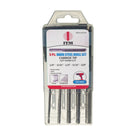
If you want one set that covers everything but stainless, the 29-piece ThunderBit+ 3-flat set is black and gold HSS in every fractional size to 1/2 in. for $164.40. Add cobalt in the two or three sizes you drill in stainless and you are set.
FAQ
Is cobalt or titanium better for drilling steel?
For mild steel, titanium or black and gold HSS is the better buy, because the steel never gets hot enough to need cobalt. For stainless or hard alloy steel, cobalt is better, because it keeps its hardness at the heat those metals make.
What is the difference between M35 and M42 cobalt?
M35 is high-speed steel with 5% cobalt; M42 has 8%. M42 is harder when hot and holds an edge longer in stainless. M35 is a little tougher, which helps in a hand drill that rocks. Both are solid cobalt alloys, not coatings.
What is the difference between black and gold and titanium drill bits?
A black and gold bit is high-speed steel with a black oxide body and a bronze oxide tip. A titanium bit is high-speed steel with a titanium nitride coating. Both are M2 HSS underneath. The TiN coating lowers friction and lasts longer in steel; black and gold costs less and sharpens to the same bit.
Can titanium drill bits drill concrete?
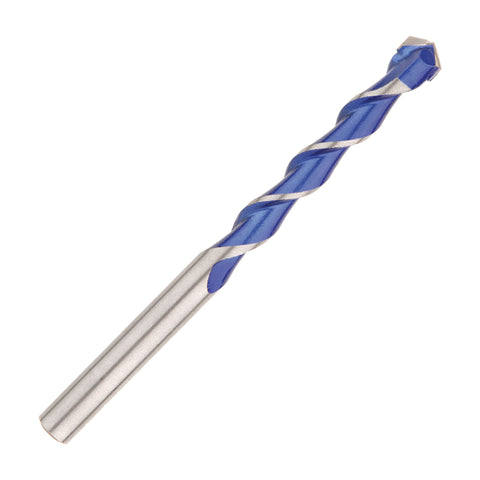
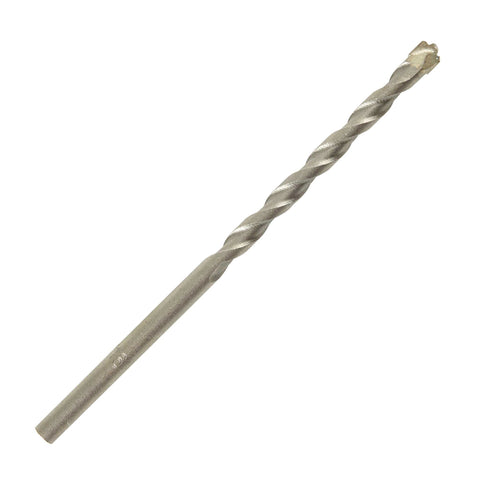
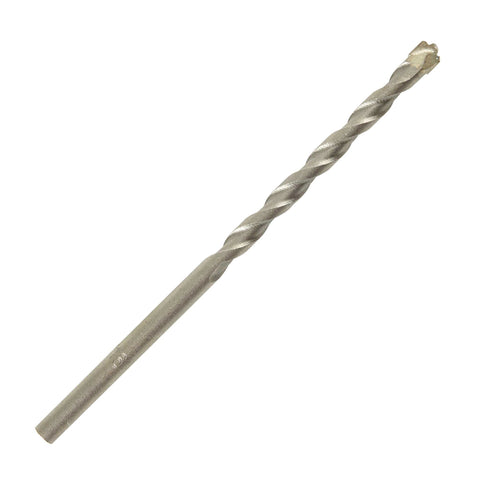
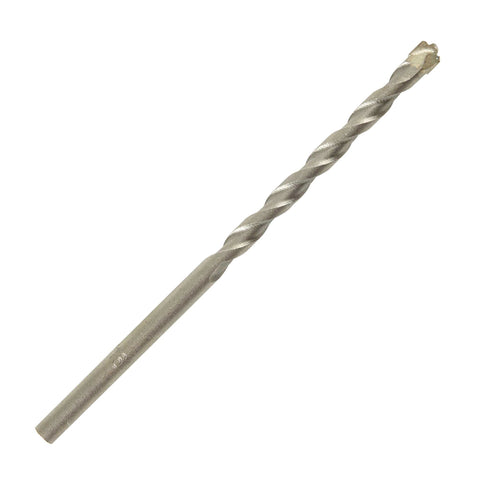
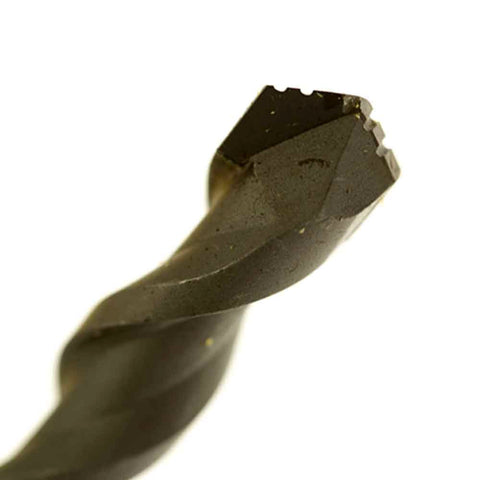
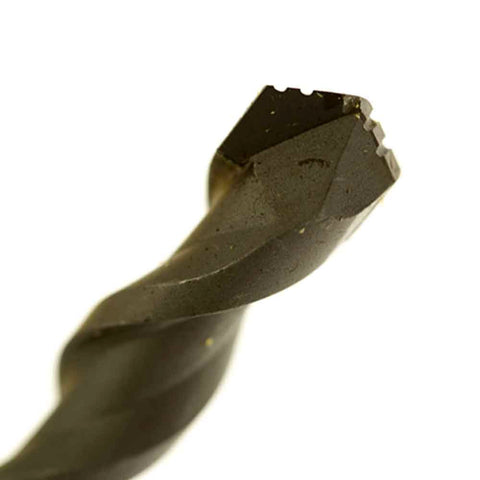
No. A titanium bit is a steel twist drill for metal and wood. Concrete, brick and block need a carbide-tipped masonry bit in a hammer drill. For a bit that crosses from tile to brick to steel, see our multi-purpose drill bit guide.
What are the disadvantages of cobalt drill bits?
Cobalt costs about 2.4 times a black and gold bit and buys nothing in mild steel, aluminum or wood. The alloy is harder and a little more brittle, so a cobalt bit chips if the drill rocks or catches at breakthrough. We do not sell it on a hex impact shank for that reason.
Which is better, cobalt or carbide drill bits?
Cobalt for steel that is tough: stainless, cast steel, high-alloy bolts. Carbide-tipped for steel that is hard, where a file skates off the surface. Carbide is harder but brittle; it needs a rigid setup. The file test and the picks are in Drill Bits for Hardened Steel.
What is the strongest drill bit for metal?
Carbide is the hardest, then cobalt, then high-speed steel. Hardest is not the same as best. For hand drilling, cobalt is the strongest practical choice; carbide shatters in a drill that is not held square.
Are black oxide drill bits good for metal?
Yes, for mild steel, iron, aluminum and brass. Black oxide is the lowest-price finish on the same high-speed steel as the others, from $0.90 a bit at 1/16 in. It is not the bit for stainless or hardened steel.
For the whole family of twist, masonry, tile and hole-making bits, see Types of Drill Bits Explained. Questions about a job? Call our team at (833) 4-ETOOLS or email sales@eldoradotools.com.
Draft prepared Nov 4, 2026. Prices checked on the store that day.