













































































































HomeBlog & GuidesGuidesFoundation & Basement Repair
Drill Bits for Hardened Steel: Carbide-Tipped vs Cobalt
Carbide-tipped or cobalt? A file test tells you which bit drills your steel. Our picks by SKU, with price per bit and minimums.
Quick answer: The drill bits for hardened steel that work are carbide-tipped bits and cobalt bits, and a file test tells you which one you need. If a file skates off the steel without cutting, it is truly hardened: use a carbide-tipped hard steel bit and keep the drill square. If the file still bites (stainless, cast steel, alloy bolts), cobalt is tougher and cheaper per hole. Our 1/4 in. ITM carbide-tipped RHB-22 is $8.60 a bit (5 minimum). The 1/4 in. Cobalt ThunderBit 013516 is $7.80 a bit, sold in 12s.
What is the best drill bit for hardened steel?
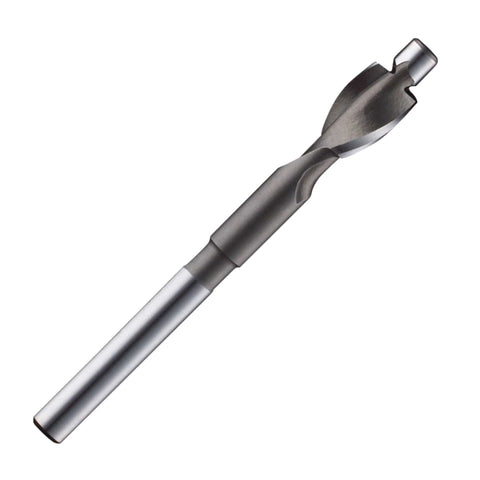
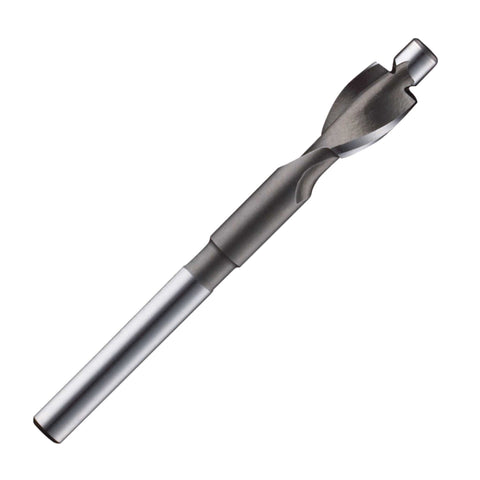
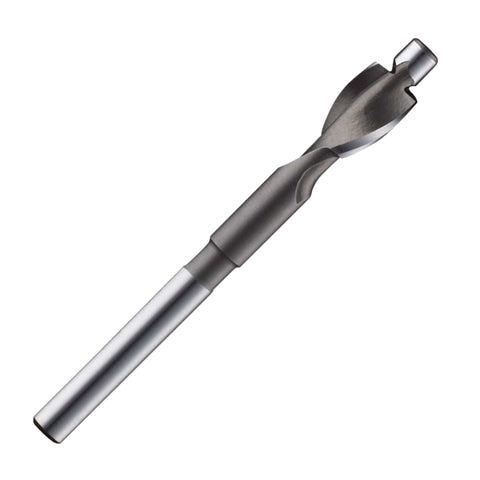
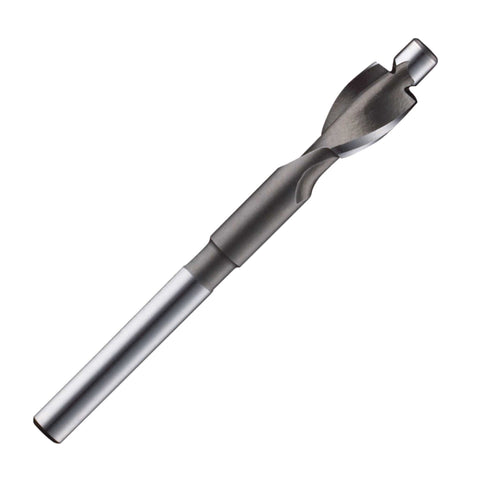
The best drill bit for hardened steel is a carbide-tipped bit. Carbide is harder than any high-speed steel, so its edge keeps cutting where a cobalt bit rubs, turns blue and stops. The trade-off is that carbide is brittle. It chips if the drill rocks, tilts or catches at breakthrough.
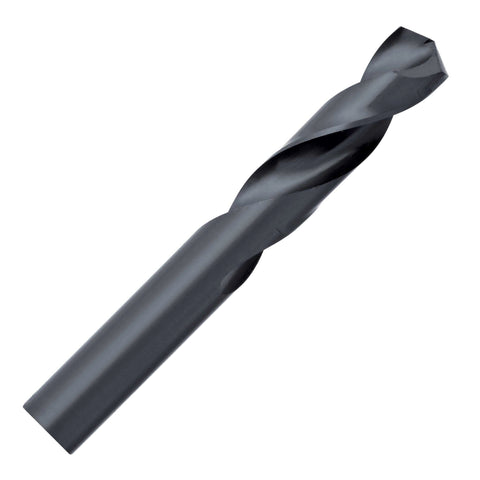
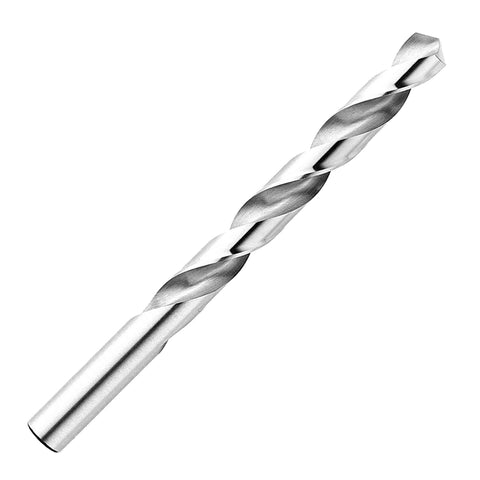
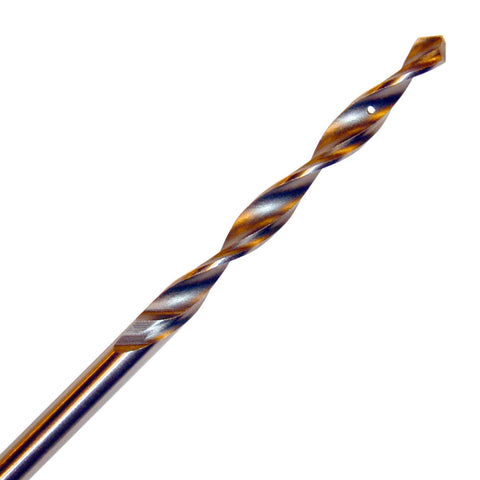
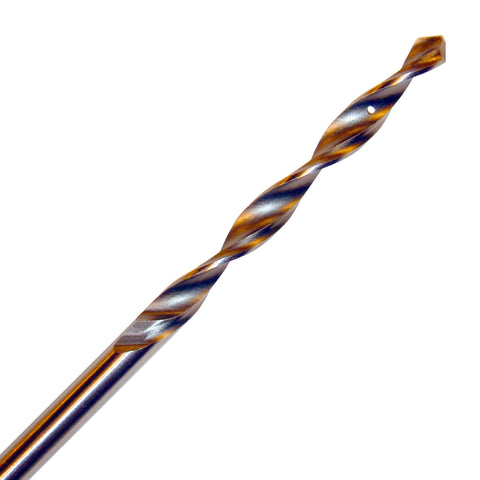
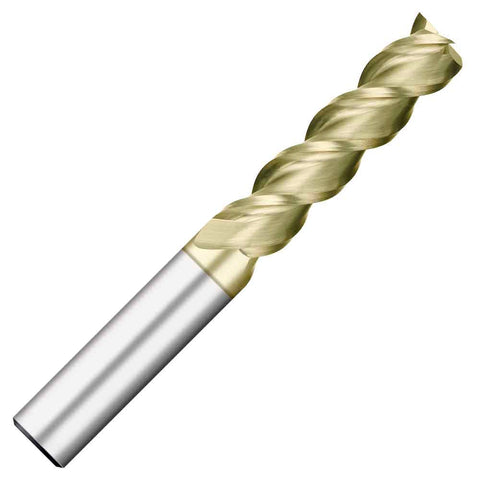
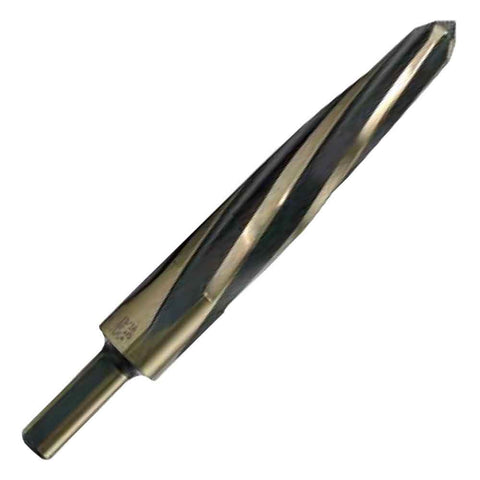
Cobalt is the better pick for steel that is tough rather than truly hard: stainless, cast steel, high-alloy bolts and work-hardened spots. Cobalt bits are high-speed steel with cobalt alloyed all the way through (grades M35 and M42), so they take heat and flex without snapping.
The quickest way to tell which job you have is a file test. Run a sharp file across an edge of the part. If it bites and leaves bright metal, cobalt will drill it. If it skates and leaves only a shiny line, the steel is hardened and needs carbide.
Carbide-tipped vs cobalt: what is the difference?
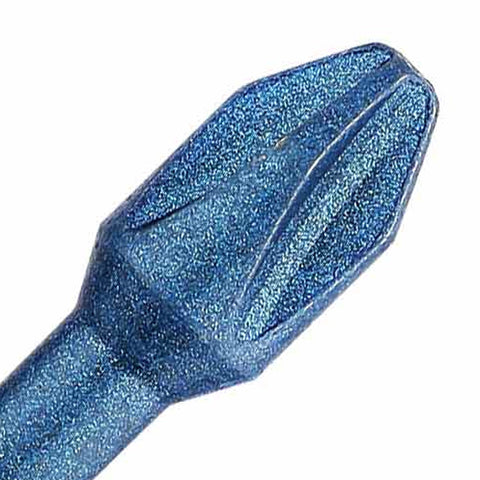
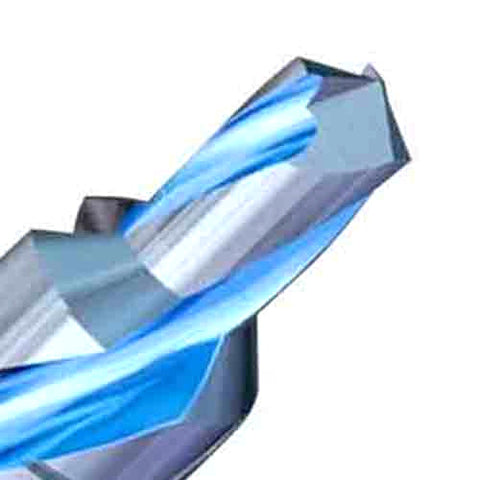
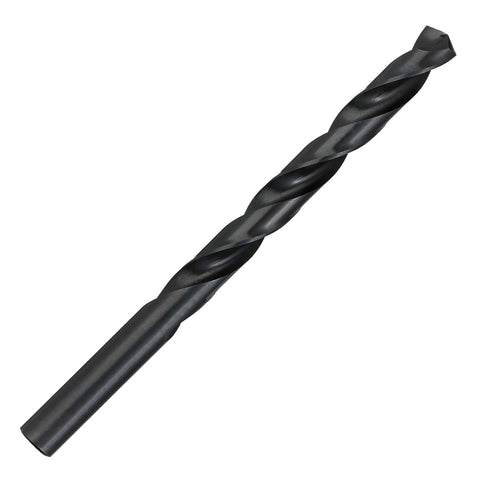
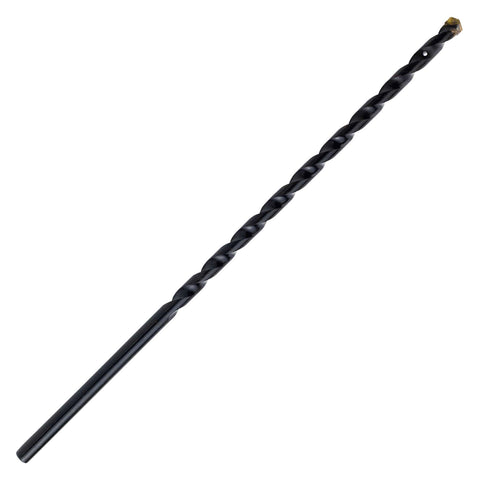
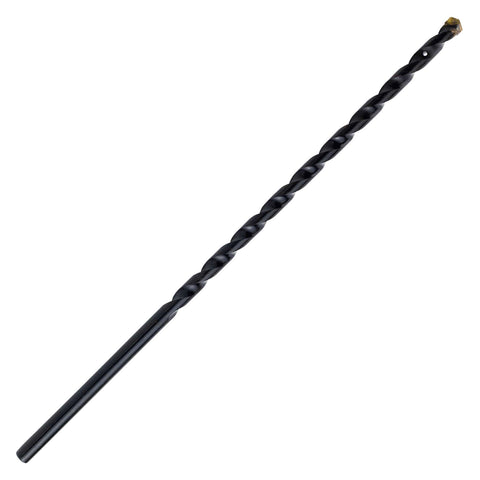
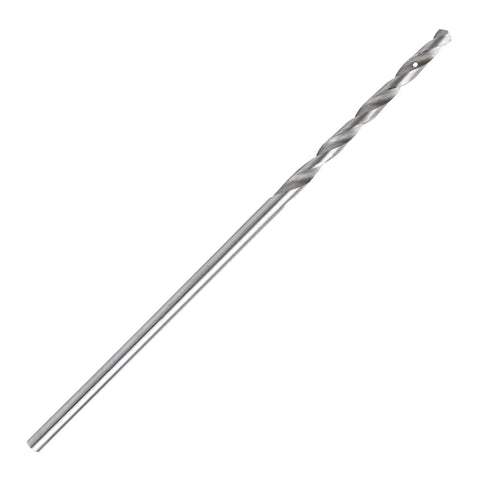
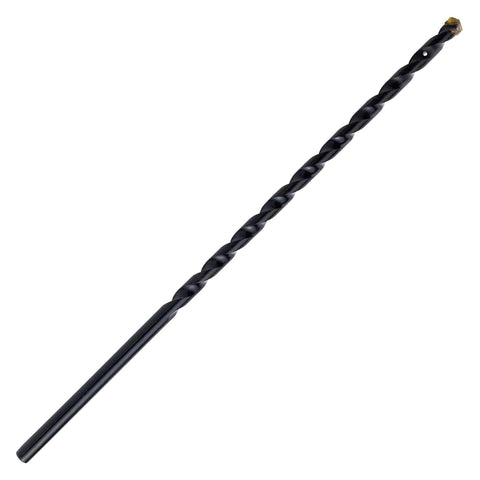
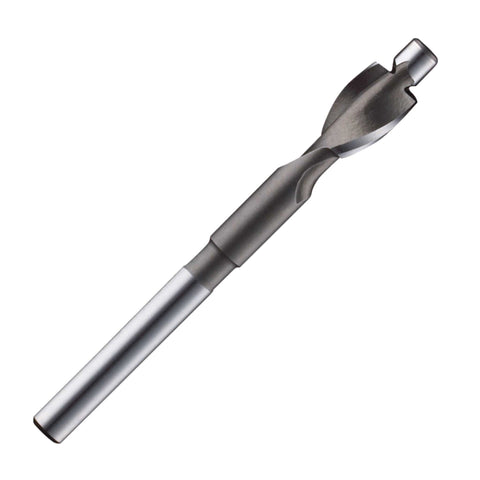
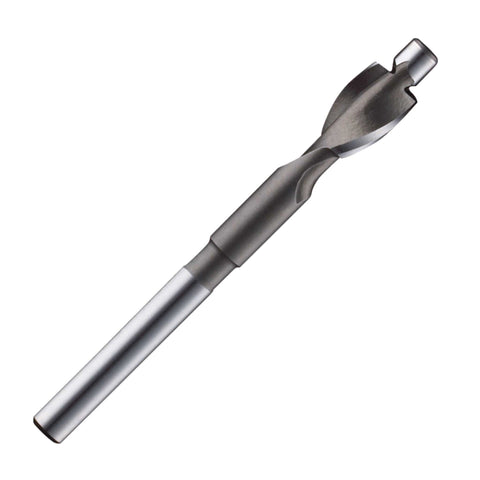
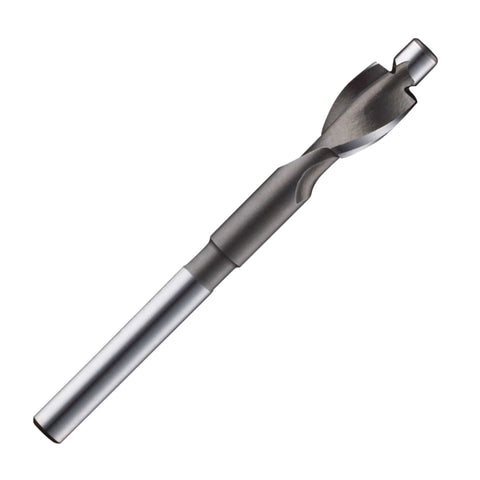
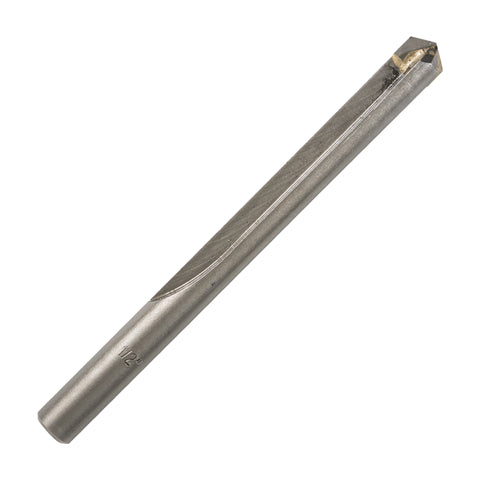
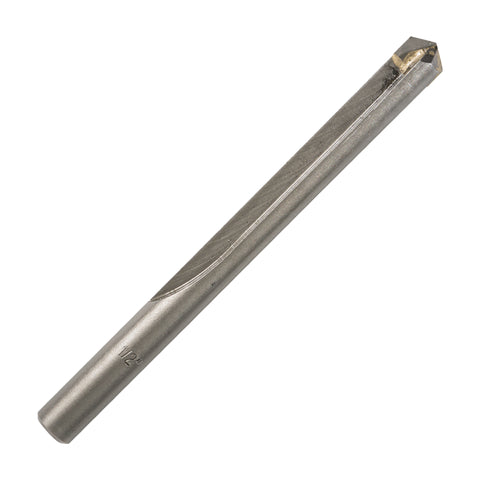
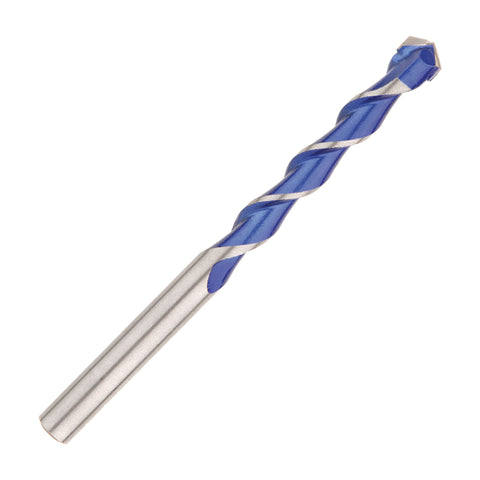
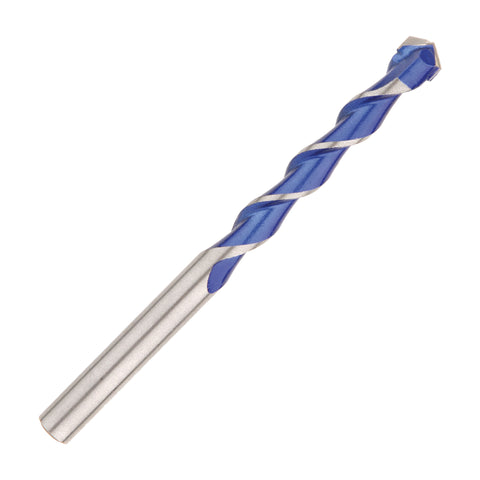
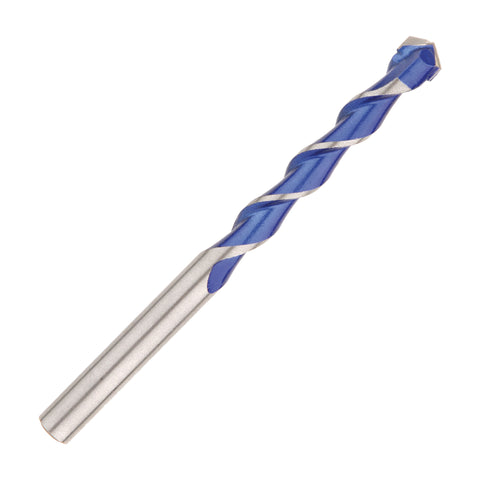
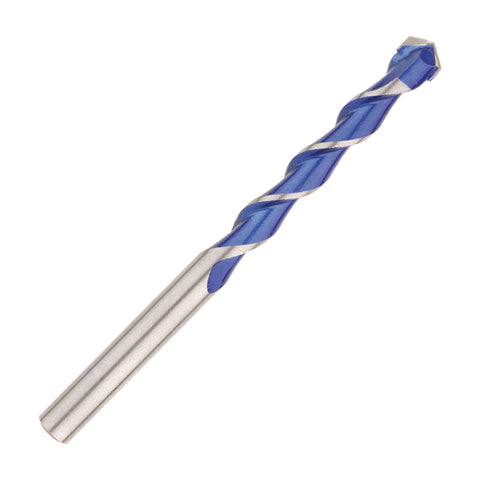
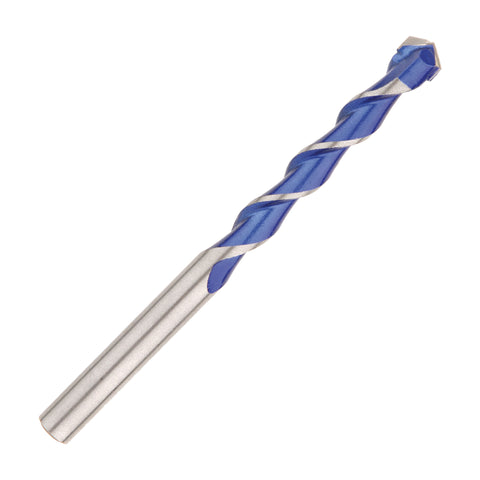
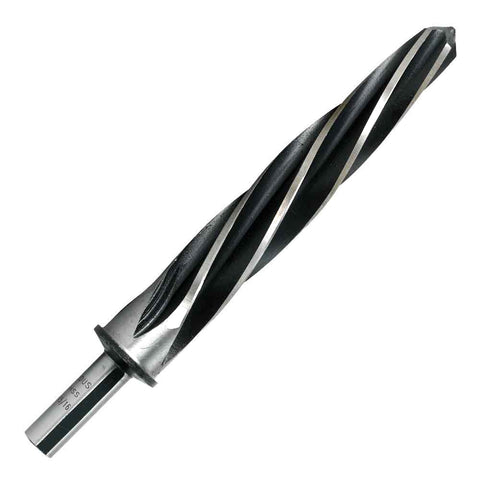
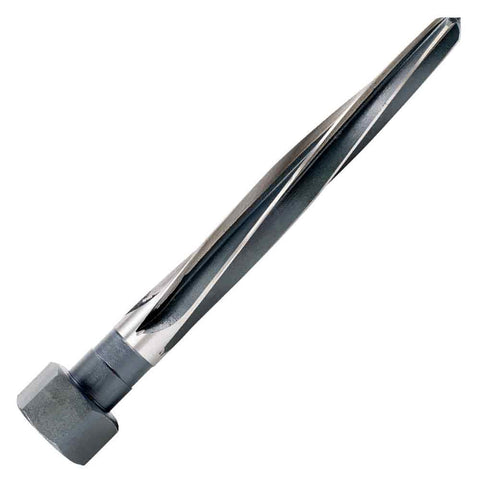
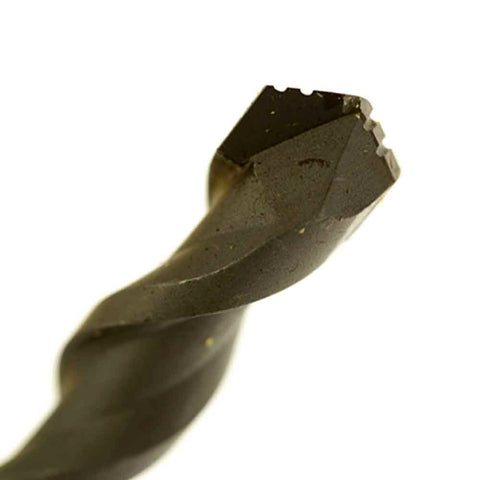
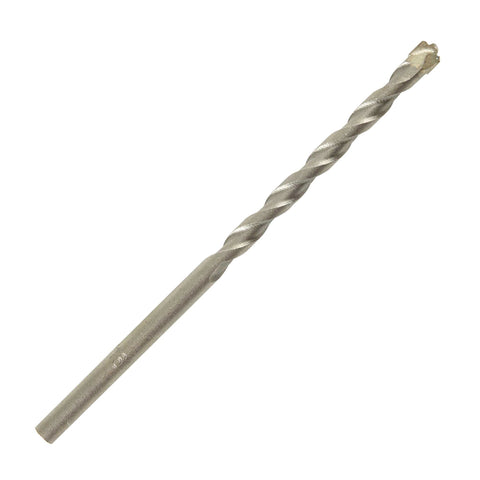
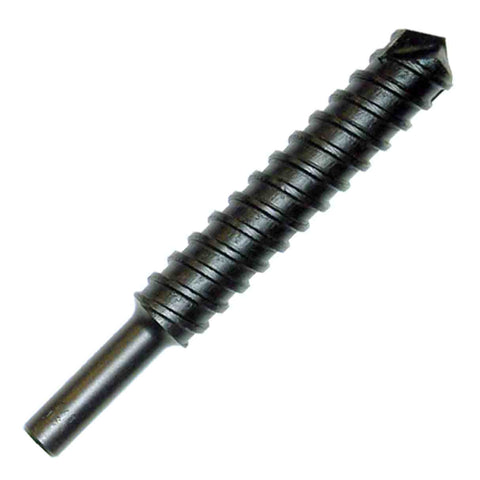
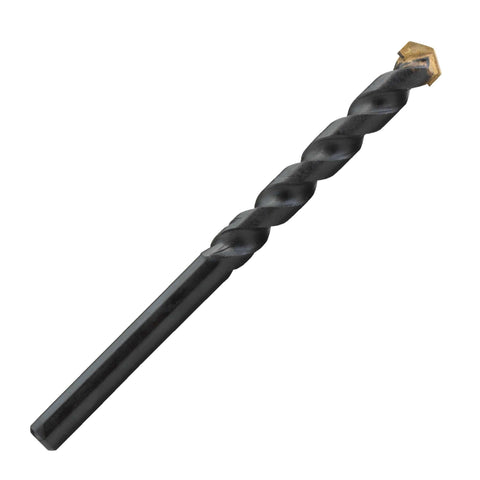
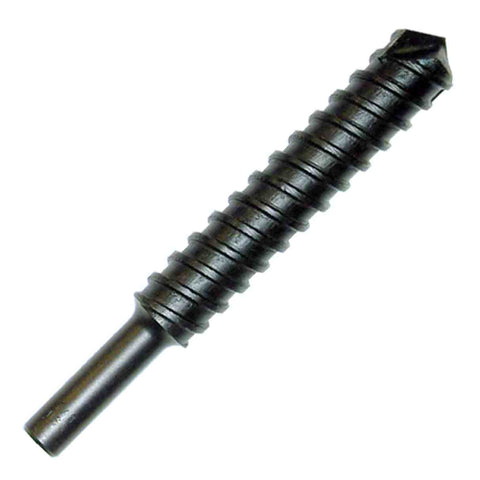
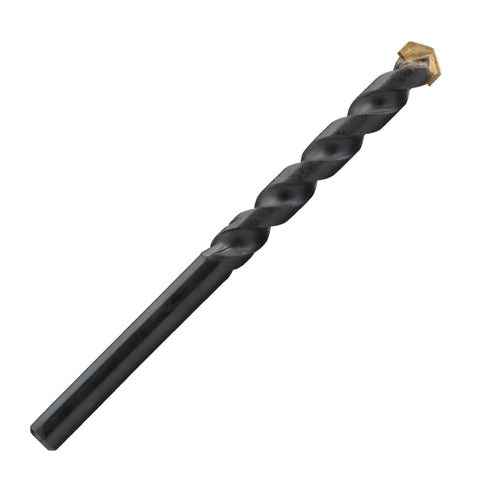
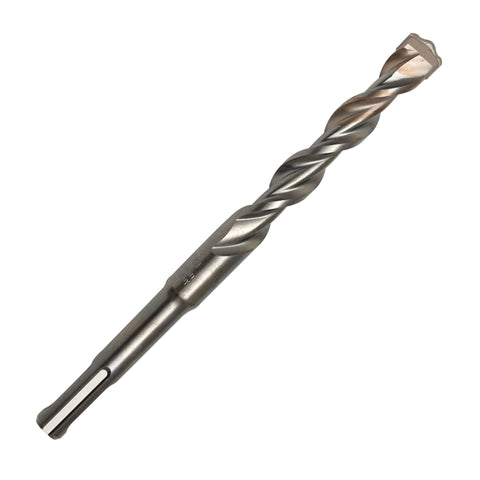
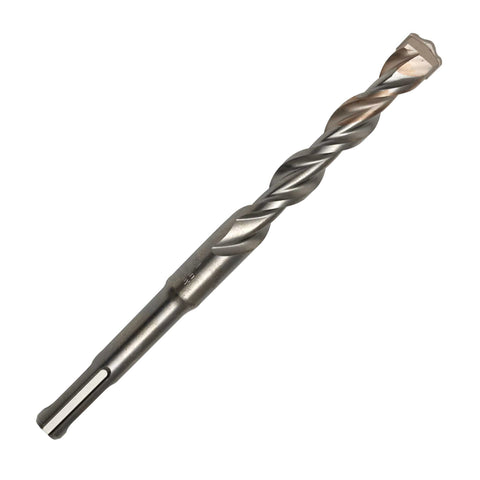
A carbide-tipped bit has a small piece of tungsten carbide brazed onto a steel body; a cobalt bit is one piece of cobalt high-speed steel. That one difference decides where each one works.
Trait |
Carbide-tipped (ITM RHB / LHB) |
Cobalt (Cobalt ThunderBit) |
|---|---|---|
What it is |
Carbide cutting tip brazed on a tempered body |
Cobalt high-speed steel (HSS-Co) all the way through |
Drills |
Hardened steel, safes, broken bolts, stainless, cast iron |
Stainless, cast steel, high-alloy steel, high-tensile alloys |
File test |
File skates off: use this |
File bites: use this |
Toughness |
Brittle; chips if the bit rocks or catches |
Tough; flexes before it snaps |
Point |
Carbide tip |
135° split point, starts without a punch |
Drill |
1/2 in. drill, held square and braced; a drill press is best |
Any drill |
Sharpening |
Diamond wheel only |
A standard bench grinder |
Price, 1/4 in. |
$8.60 a bit (RHB-22, 5 minimum) |
$7.80 a bit (013516, sold in 12s) |
At 1/4 in., carbide-tipped costs 80 cents more per bit than cobalt. Price is not the reason to pick one; the steel is.
Which drill bit should I use for my job?
Use this chart to match the job to the bit, then buy the SKU in that row. Every price is per bit, from our catalog on Oct 20, 2026.
Job |
What to use |
Our bit (1/4 in.) |
Price per bit |
Sold in |
Also in |
|---|---|---|---|---|---|
Hardened steel a file skates on: springs, pins, hardened plate, safes |
Carbide-tipped, right-hand |
$8.60 |
Each, 5 minimum |
1/8 to 1/2 in., or the 5-piece set |
|
Broken or seized hardened bolt |
Carbide-tipped, left-hand (run in reverse) |
$10.26 |
Each, 4 minimum |
1/8 to 1/2 in., or the 5-piece set |
|
Stainless, cast steel, alloy bolts a file still cuts |
Cobalt, 135° split point |
$7.80 |
12s |
1/8 to 1/2 in. |
|
Cast iron, bronze, hard copper |
Carbide-tipped jobber, 118° |
$16.77 |
4s |
5/64 to 1/2 in. |
|
Mild steel, angle iron, strut |
Not hardened: a heavy-duty HSS bit is enough |
Start with what you are drilling, then do the file test. A file that skates means hardened steel and a carbide-tipped bit; a file that bites means cobalt.
Can you drill hardened steel with a hand drill?
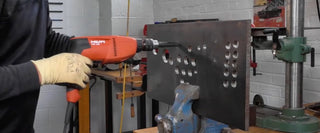
Yes, you can drill hardened steel with a hand drill if the bit stays square to the work and never rocks. ITM rates its RHB and LHB hard steel bits for a 1/2 in. drill. A drill press or a magnetic drill is still the safer setup, because a carbide tip that catches at an angle chips.
With a hand drill, clamp the part, brace the drill with both hands and use a side handle. Ease off the feed just before the bit breaks through, which is when a carbide tip is most likely to catch.
How do you drill through hardened steel?
With the right drill bits for hardened steel, you drill slowly, with heavy steady pressure and cutting oil, so the bit always cuts and never rubs. Rubbing is what ruins bits: it heats the edge and work-hardens the steel under it.
Do the file test. If the file skates, use carbide-tipped; if it bites, cobalt.
Clamp the part so it cannot move or vibrate.
Center punch the spot so the bit does not walk.
Set the drill to its lowest speed. Cobalt in stainless starts at about 600 RPM for a 1/4 in. bit; see our drill speed chart for other sizes.
Put cutting oil on the spot, and keep adding it.
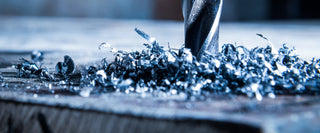
Push hard and steady. You should see chips or curls; fine dust or smoke means the bit is rubbing.
Ease off just before breakthrough, then back the bit out with the drill still turning.
What drill bit gets a broken bolt out?
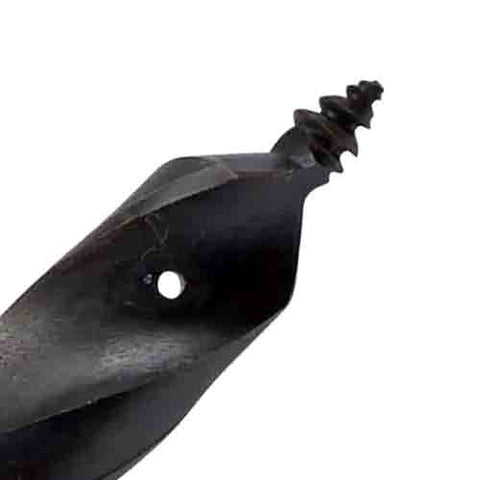
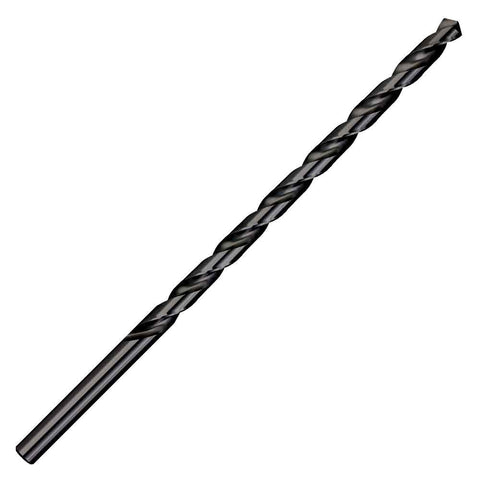
A left-hand drill bit is the one to use on a broken bolt, because it cuts with the drill running in reverse. That reverse turn is the loosening direction for a standard right-hand bolt, so the bolt often spins out while you drill.
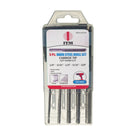
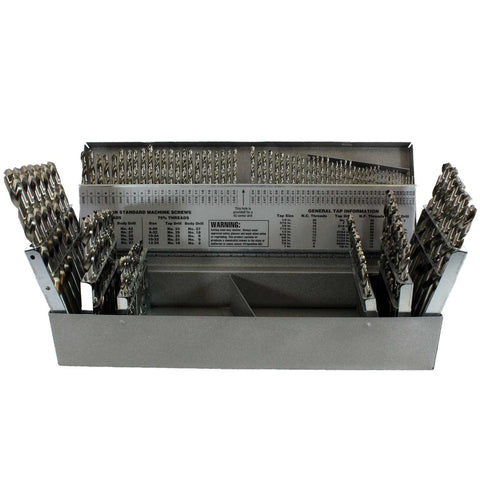
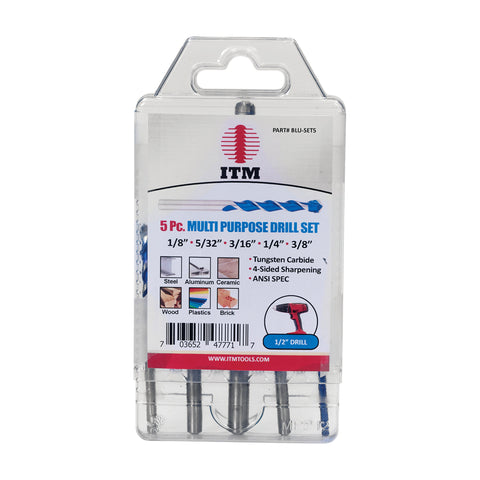
Most broken bolts that stop an ordinary bit are hardened grade bolts, so use a carbide-tipped left-hand bit such as the LHB-22 ($10.26). The 5-piece left-hand set LHB-SET5 has one each of 1/8, 3/16, 1/4, 5/16 and 3/8 in. for $51.69. That is the same as buying the five sizes singly, but with no minimums.
Our hard steel and cobalt drill bits and prices
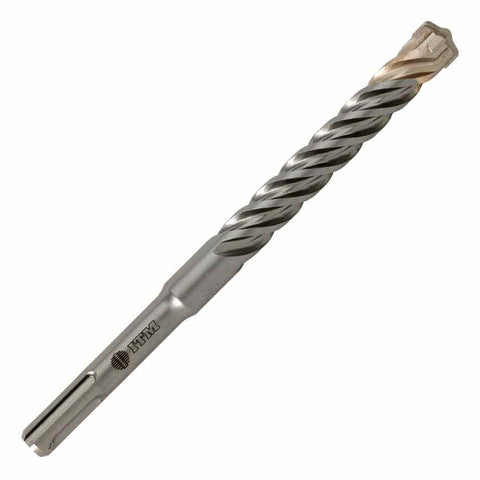
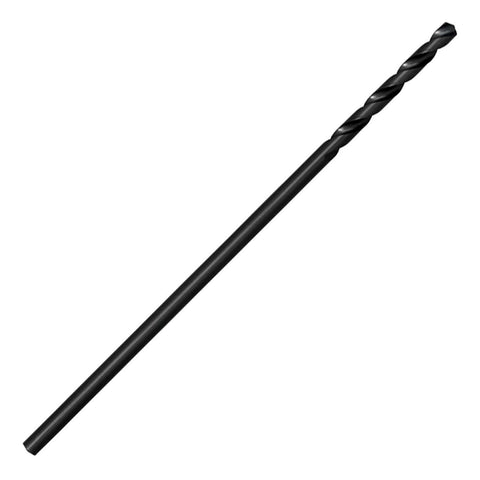
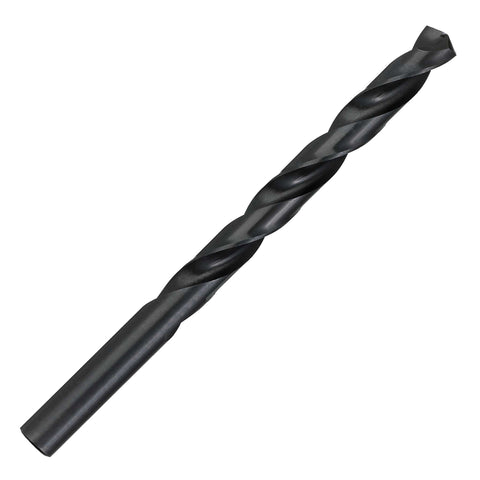
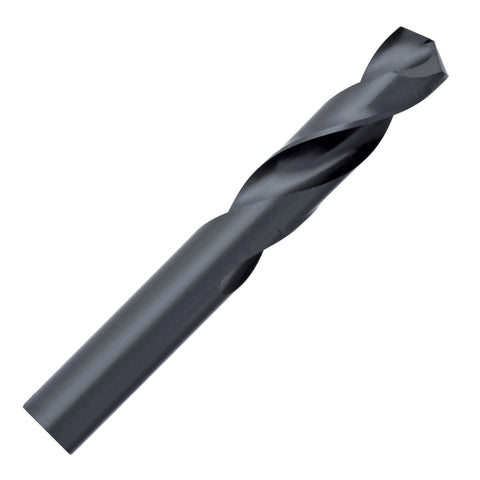
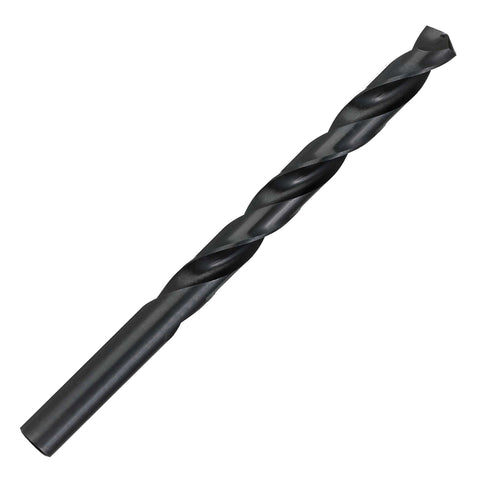
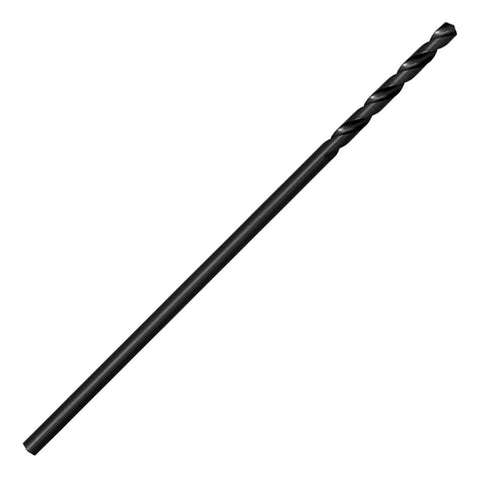
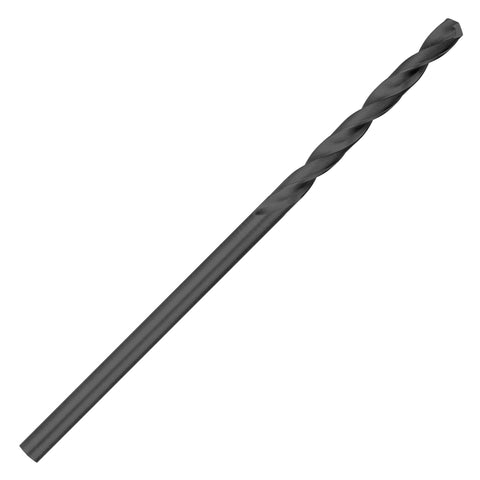
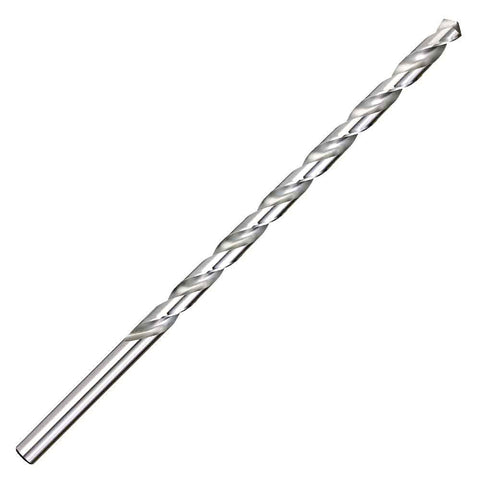
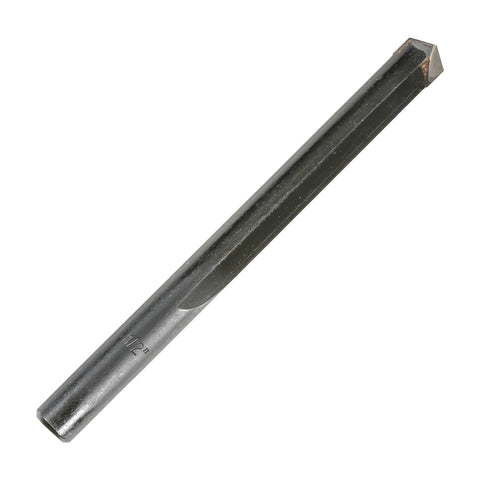
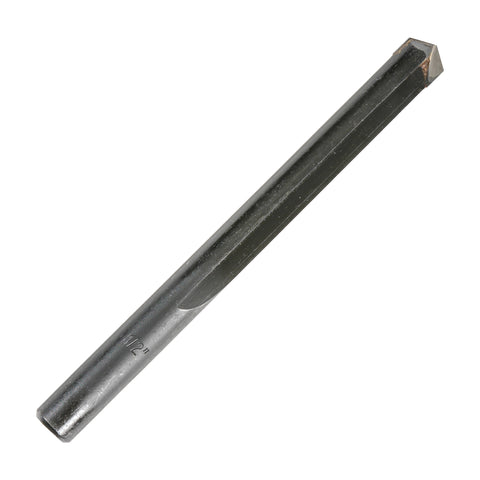
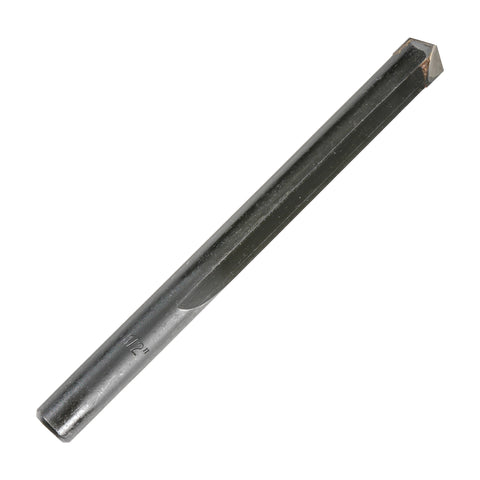
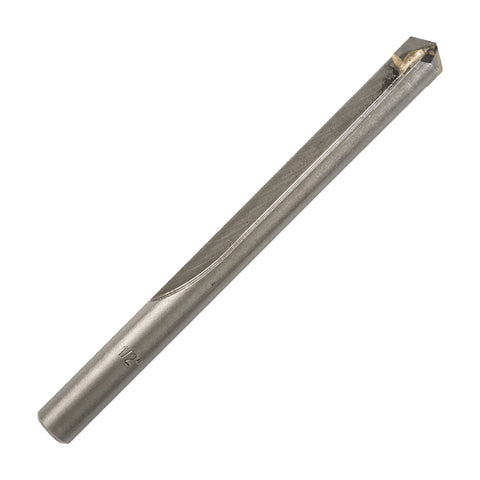
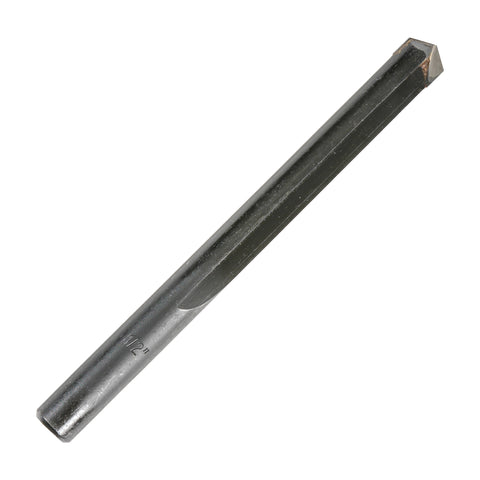
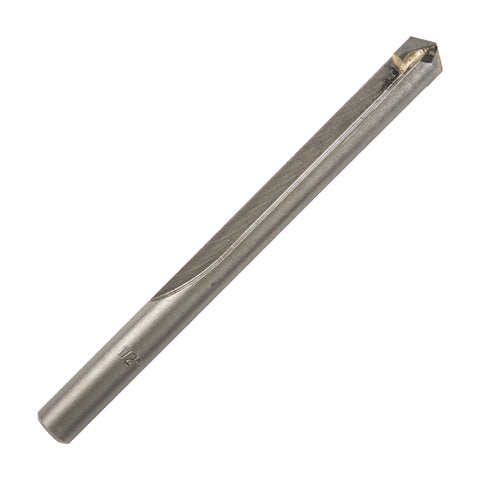
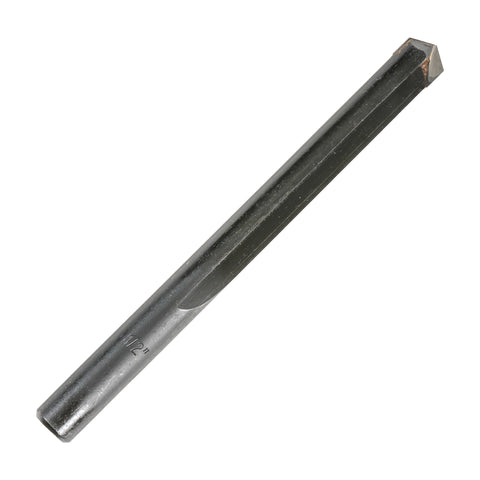
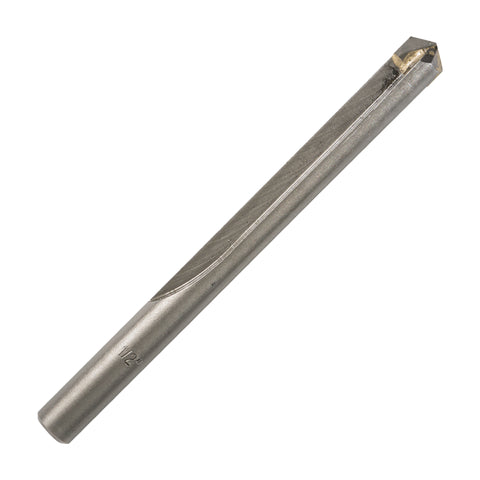
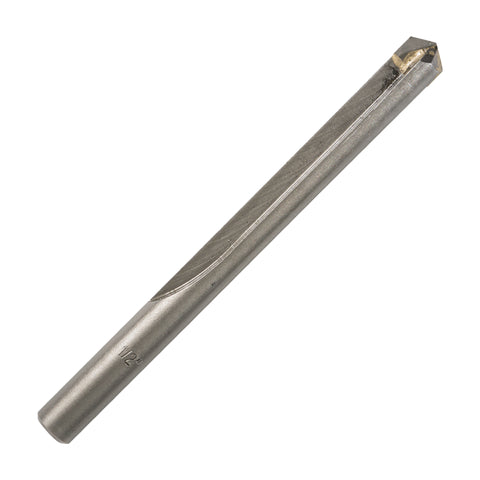
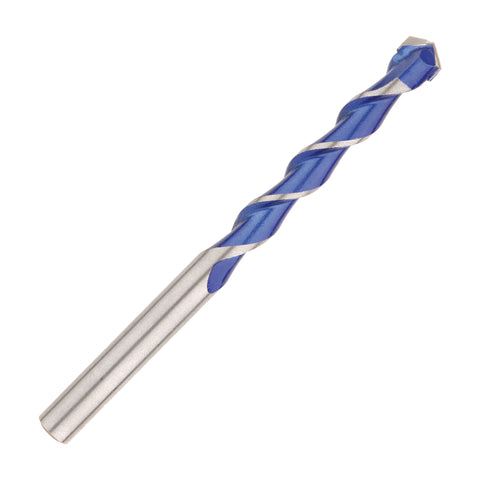
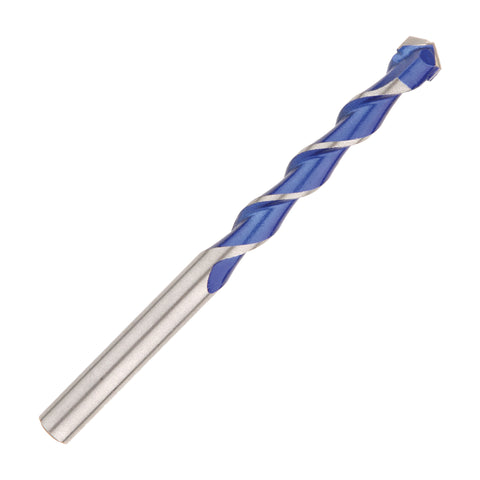
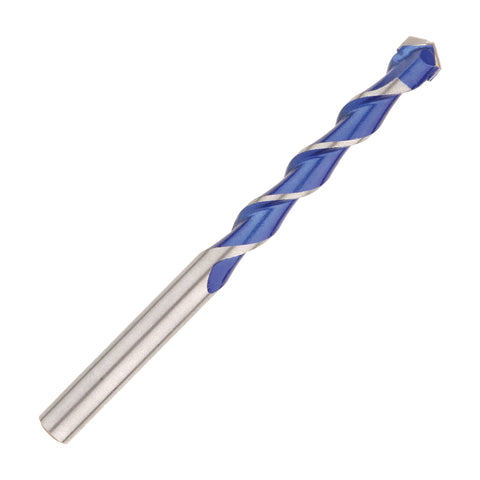
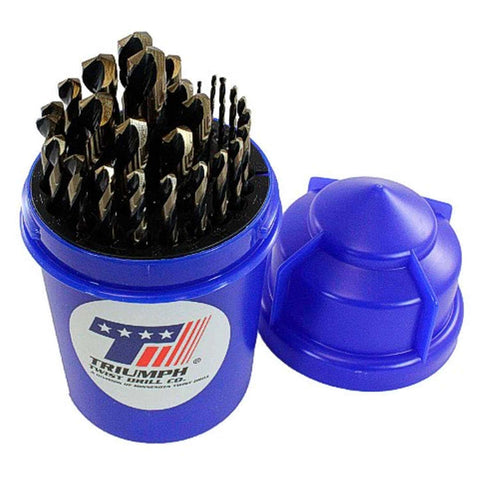
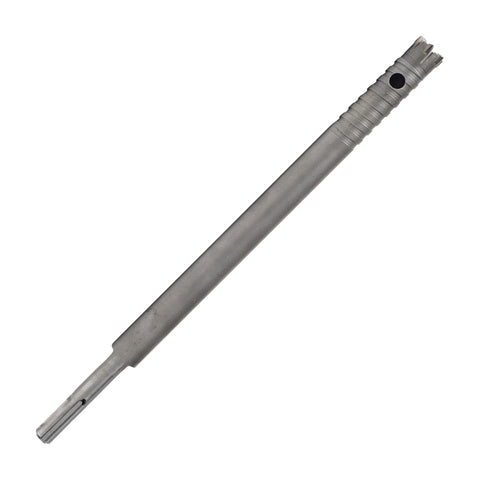
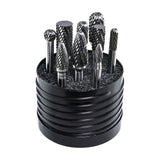
All of our carbide-tipped drill bits for hardened steel are made by ITM: a carbide tip on a tempered body, built to ANSI B212.15-1994 and rated for a 1/2 in. drill. Each is sold individually with a small minimum. Our cobalt picks are Triumph Cobalt ThunderBits, made in the USA.
Size |
Right-hand carbide-tipped |
Left-hand carbide-tipped |
Cobalt ThunderBit |
|---|---|---|---|
1/8 in. x 3 in. |
RHB-18: $6.79, 6 minimum |
LHB-18: $7.85, 5 minimum |
013508: $3.40, sold in 12s |
3/16 in. x 3 in. |
RHB-20: $7.58, 5 minimum |
LHB-20: $9.25, 4 minimum |
013512: $4.78, sold in 12s |
1/4 in. x 4 in. |
RHB-22: $8.60, 5 minimum |
LHB-22: $10.26, 4 minimum |
013516: $7.80, sold in 12s |
5/16 in. x 4 in. (1/4 in. shank) |
RHB-26: $9.37, 4 minimum |
LHB-26: $11.12, 4 minimum |
013520: $11.46, sold in 6s |
3/8 in. x 6 in. |
RHB-32: $10.38, 4 minimum |
LHB-32: $13.21, 3 minimum |
013524: $17.28, sold in 6s |
1/2 in. x 6 in. |
RHB-50: $20.24, 2 minimum |
LHB-50: $23.32, 2 minimum |
013532: $27.07, sold in 6s |
5-piece set, 1/8 to 3/8 in. |
RHB-SET5: $42.74 |
LHB-SET5: $51.69 |
Prices per bit, checked in our catalog on Oct 20, 2026. Browse the full range in our hard steel drill bits and high-speed drill bits collections.
From 5/16 in. up, a carbide-tipped bit costs less than the same size in cobalt. On a 3/8 in. hole, the RHB-32 is $10.38 against $17.28 for cobalt.
From the shop floor
"Cobalt drills metal. Carbide drills the metal that stops cobalt.” -- Eldorado Tools' President, David Castro
FAQ
Is carbide or cobalt better for hardened steel?
Carbide is better for truly hardened steel, because it stays sharp where cobalt dulls. Cobalt is better for stainless and tough alloys, and in any drill that cannot be held perfectly steady.
Can cobalt drill bits drill hardened steel?
Cobalt drills steel that is tough or work-hardened, but not fully hardened steel. If a file skates off the part, a cobalt bit will burn up; switch to carbide-tipped.
What is the strongest drill bit for steel?
Carbide is the hardest drill bit material, followed by cobalt, then high-speed steel. Carbide is also the most brittle, so it needs a steady drill.
How can I tell if a drill bit is carbide-tipped?
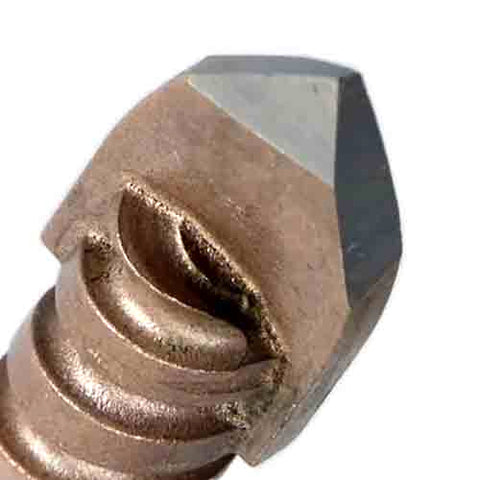
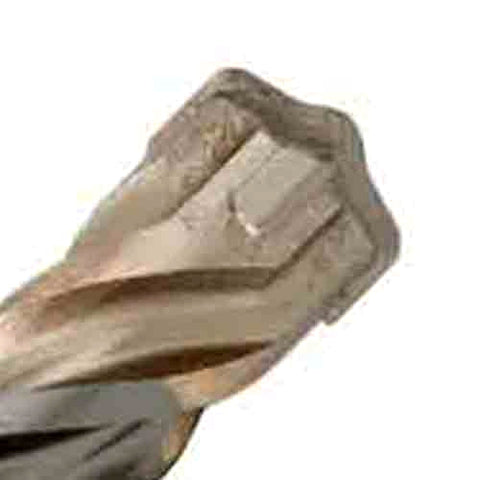
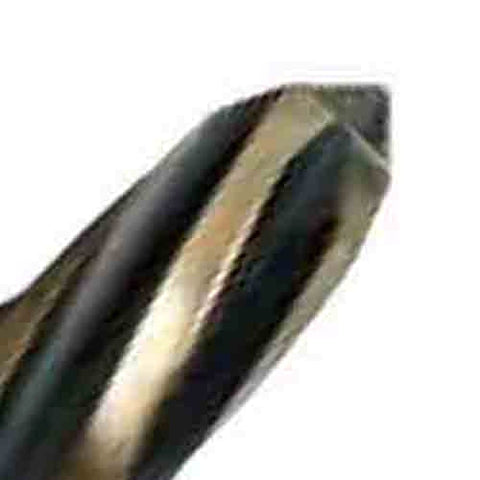
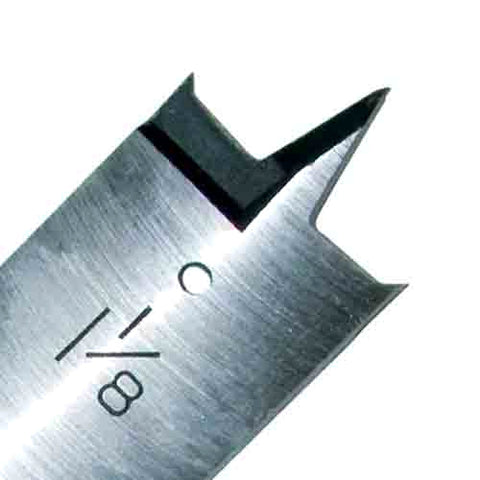
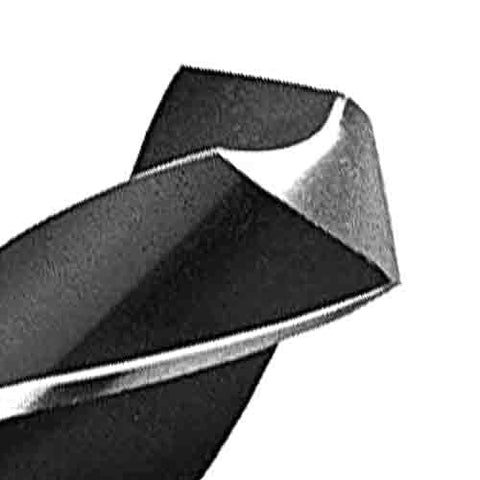
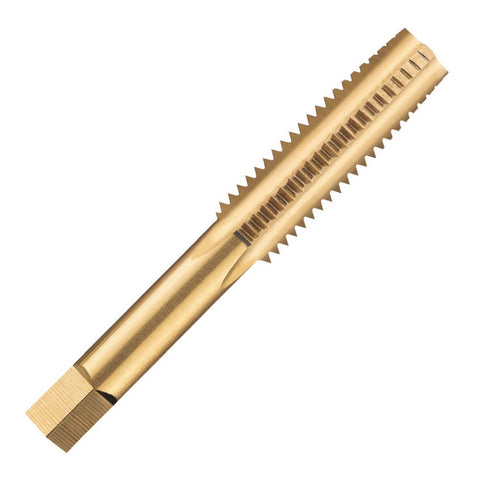
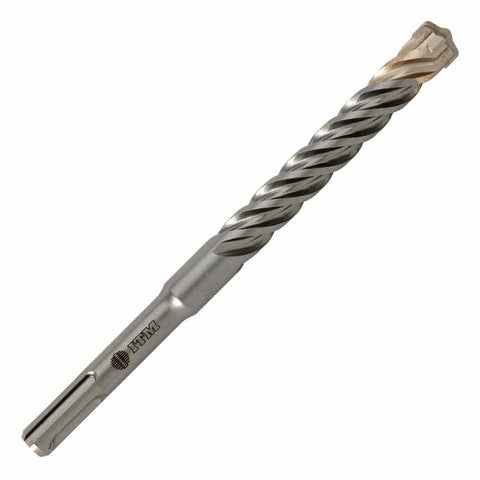
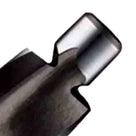
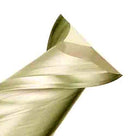
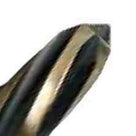
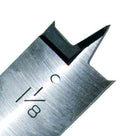
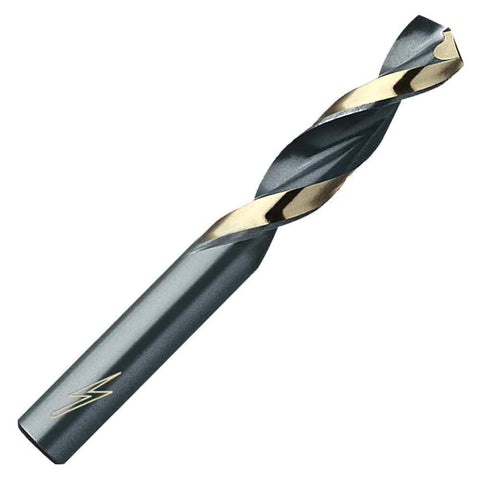
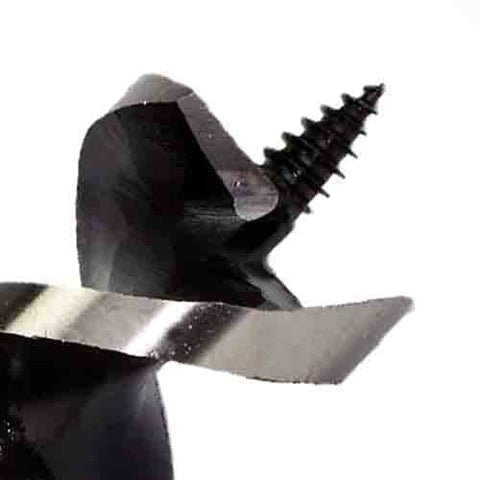
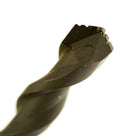
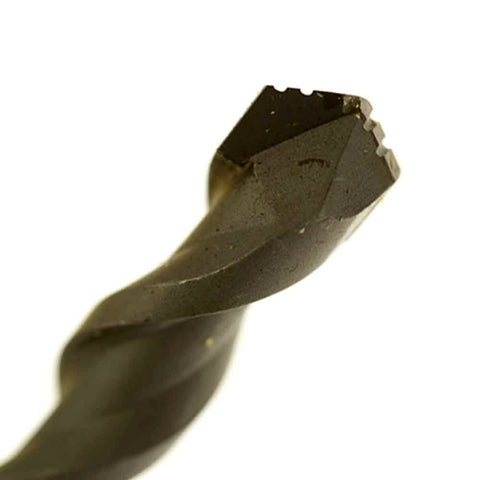
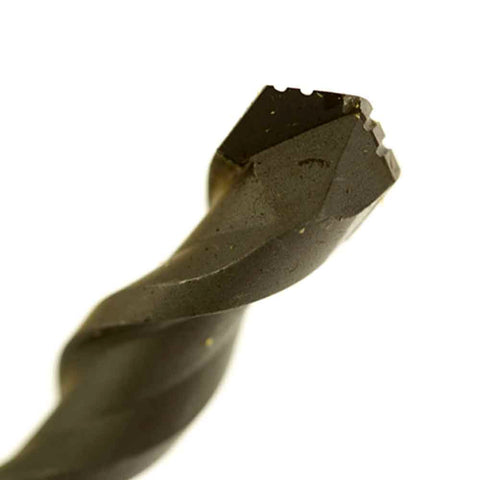
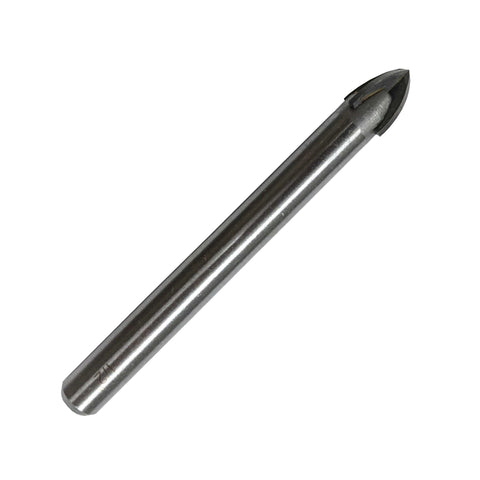
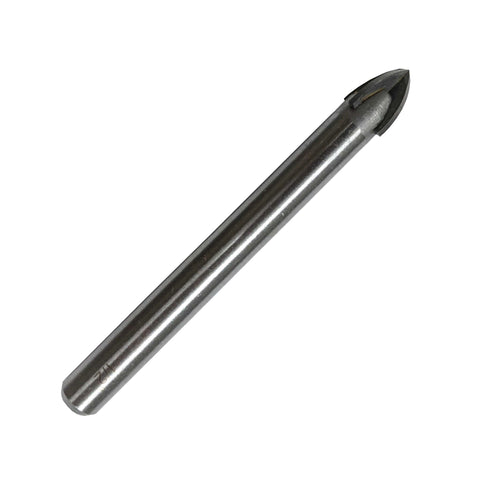
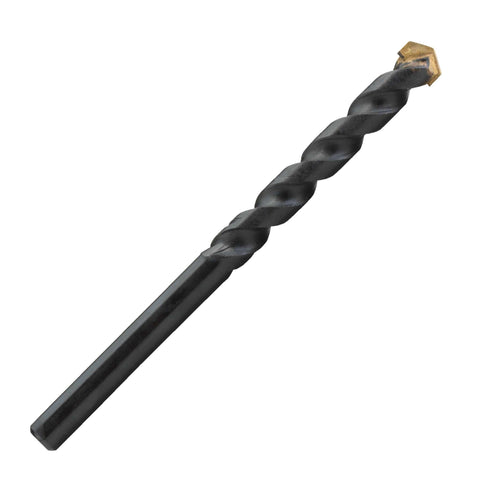
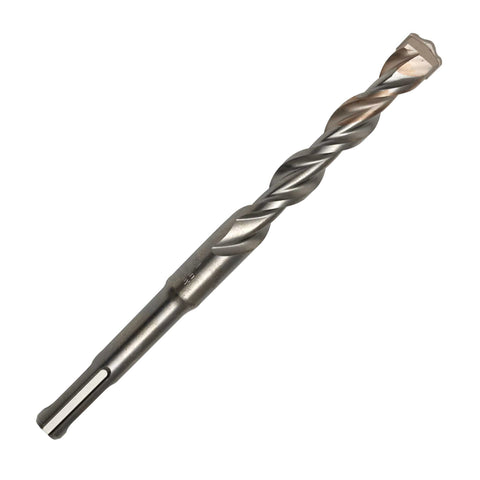
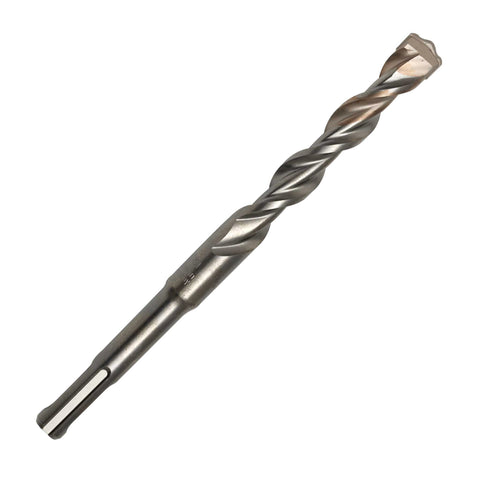
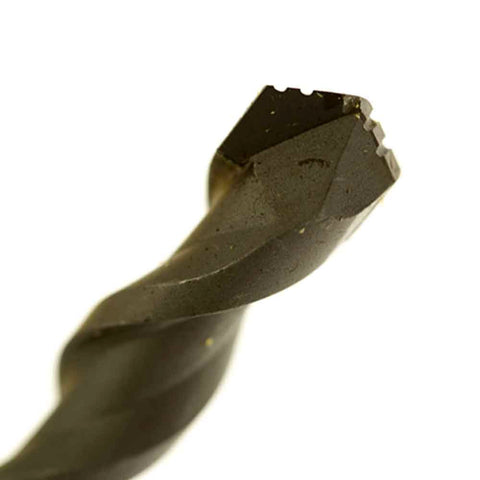
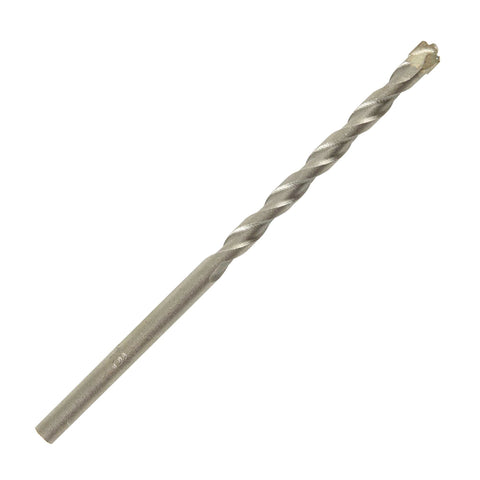
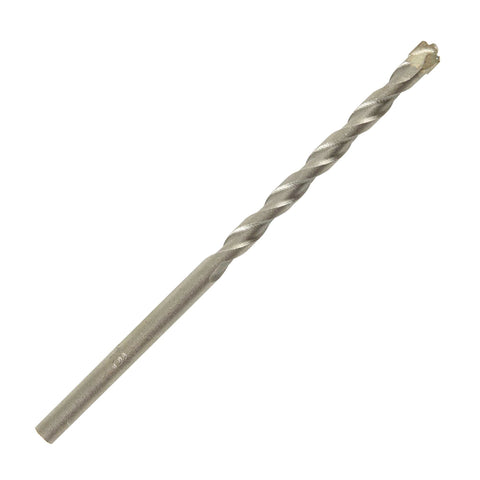
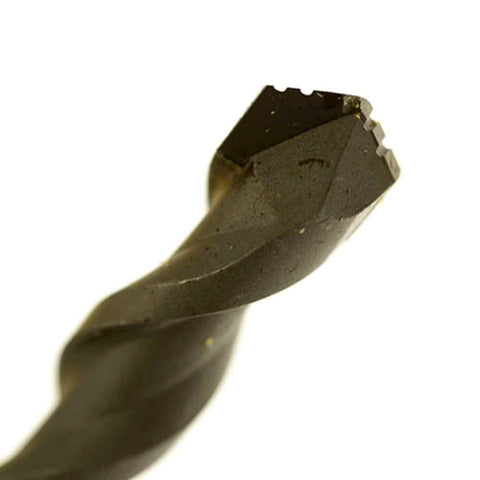
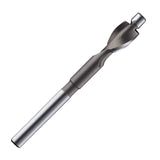
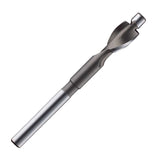
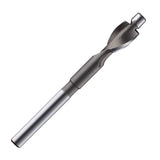
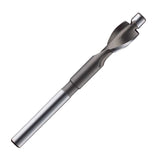
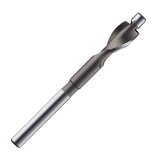
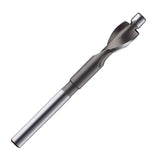
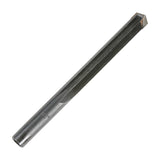
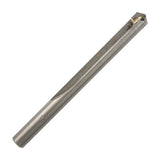
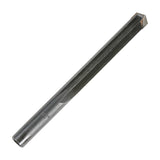
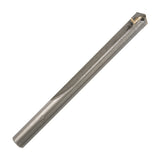
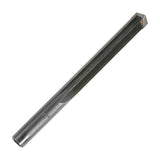
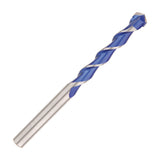
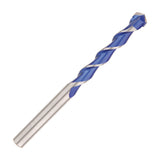
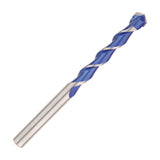
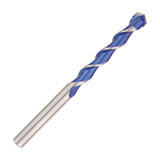
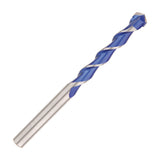
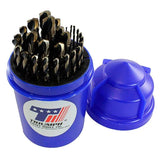
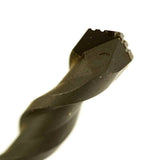
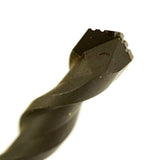
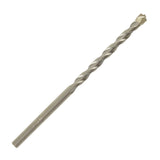
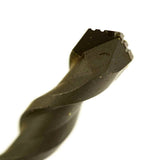
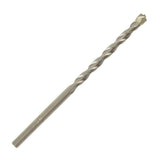
Look at the point. A carbide-tipped bit has a separate grey tip brazed into a slot at the end, a slightly different color from the body. A cobalt bit is one solid piece, often with a bronze or gold finish.
Can you sharpen cobalt and carbide-tipped bits?
Cobalt bits can be resharpened on an ordinary bench grinder, because the cobalt runs all the way through. Carbide tips need a diamond wheel, so most shops replace them.
Do I need a left-hand drill bit for a broken bolt?
You don't need one, but it helps. A left-hand bit turns in the loosening direction, so the bolt often backs out while you drill, before you need an extractor.
Not sure which bit your job needs? Call our team at (833) 4-ETOOLS or email sales@eldoradotools.com.