


































































































Why a Future in Civil Engineering is More Exciting Than Ever
Thinking about a civil engineering career? See what civil engineers earn, where the jobs are headed, the two paths in, and a scholarship that can help.
Every time you turn on a tap, cross a bridge or drive home on a road that didn't wash out in last night's storm, you are using something a civil engineer designed. Most people never think about it. That is the point. When civil engineers do their job well, the world just works. If you want a job that is real, that lasts, and that you can point to from the car window twenty years from now, a civil engineering career may be the best bet you can make.
A career you can see from the road
A lot of career advice right now is about screens: coding, AI, apps that come and go. Those fields matter. But every one of them runs on something older and heavier. Data centers need power, water and roads. Cities need bridges, tunnels, drains and rail. Somebody has to plan, design, test and fix all of it.
That somebody is a civil engineer. And the list of jobs is getting longer, not shorter. Old bridges need repair. Growing cities need transit. Coastal towns need protection from storms and rising water. None of that work can be shipped overseas or done by an app.
The numbers behind a civil engineering career
Here is what the U.S. Bureau of Labor Statistics reports for civil engineers:
- Median pay: $100,840 a year (May 2025).
- Jobs: about 380,600 in the U.S.
- Growth: 6 percent from 2025 to 2035, faster than the average for all jobs.
- Openings: about 22,700 every year for the next decade.
Those openings come from new projects and from engineers who retire or move up. Either way, the chairs keep opening, year after year.
More than bridges and buildings
The classic picture is a hard hat and a roll of blueprints. That is still part of it. But civil engineering is a big field with many lanes. Most engineers pick one:
- Structural: bridges, towers, stadiums and anything else that has to stand up.
- Transportation: highways, rail, airports, bike lanes and traffic signals.
- Water: clean drinking water, sewers, dams and flood control.
- Geotechnical: soil and rock, the ground that everything else sits on.
- Environmental and coastal: cleaning up sites and protecting shorelines.
The tools have changed too. Engineers now build a full 3D model of a project before anyone breaks ground. This is called Building Information Modeling, or BIM. It lets teams find a clash between a pipe and a beam on screen, not on site. Drones map job sites in an hour. Sensors in bridges report strain and cracks in real time. AI helps sort through that data and plan schedules. None of it replaces the engineer. It gives the engineer better eyes.
How engineers check an old bridge
Here is a part of the job most students never hear about. Say a city wants to widen a 60-year-old bridge. Is the concrete still strong enough? You can't tell by looking.
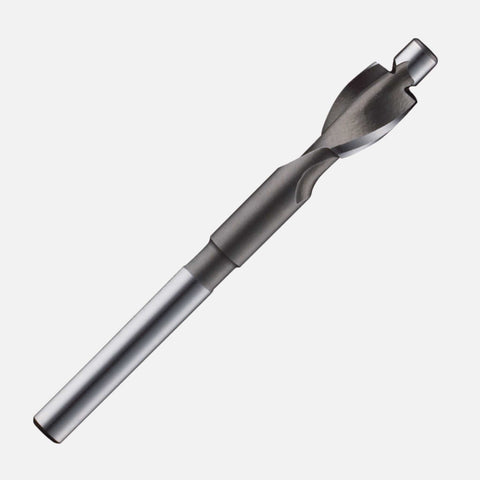
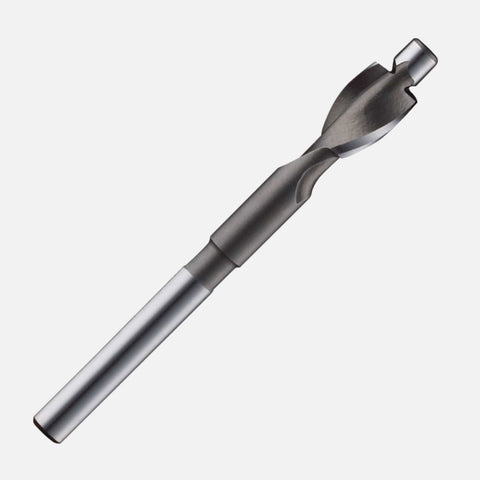
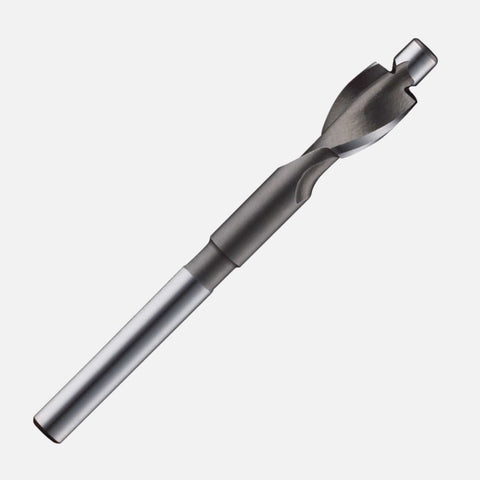
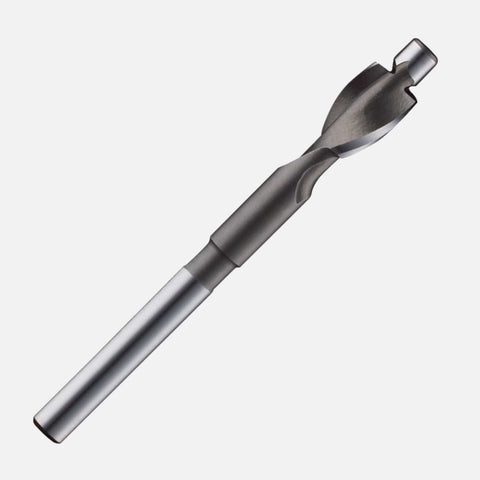
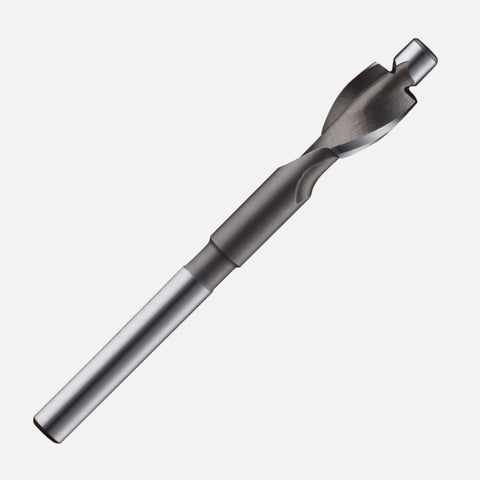
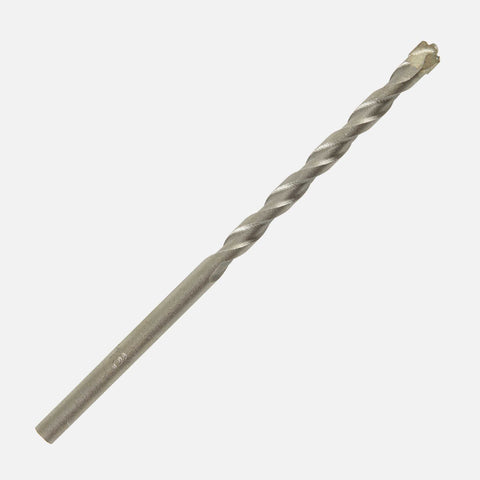
So the engineer orders a core. A crew drills straight down into the deck with a diamond core drill and pulls out a solid cylinder of concrete, often about 4 inches wide. A lab crushes that sample in a press and measures how much force it takes to break it. That number tells the engineer whether the bridge can carry more load, needs repair or needs to be replaced. It is detective work, with real stakes.
One bridge, a whole region unstuck
The best stories in civil engineering are about people, not concrete. Take the Millau Viaduct in southern France.
For years, the main highway south from Paris squeezed through the small town of Millau. Every summer, holiday traffic backed up for miles. The fix was a bridge across the whole Tarn River valley. Engineer Michel Virlogeux and architect Norman Foster designed a cable-stayed bridge that opened in 2004. Its tallest mast reaches 343 meters, taller than the Eiffel Tower. It is still the tallest bridge in the world.

It is beautiful. But the real win was simple. The traffic jam went away, and the town got its streets back. That is what civil engineers do: they solve a problem so well that people forget it was ever there.
You don't need to go to France to find work like this. In the U.S., engineers are raising sea walls, restoring wetlands that soak up storm surge and writing tougher building codes for coastal towns. That work will keep going for decades.
Two ways in: university or a two-year program
There is more than one road into the field. Pick the one that fits how you learn and how fast you want to start working.
A four-year engineering degree
Most civil engineers start with a bachelor's degree in civil engineering. You will study structures, fluids, soils, materials and transportation. After you graduate, you can take the Fundamentals of Engineering (FE) exam. With a few years of work experience, you can then take the Professional Engineer (PE) exam. The PE license lets you sign off on designs, lead projects and move into management. It is a big deal in this field.
A two-year technician path
If you like hands-on work and want to start sooner, look at an associate's degree in civil engineering technology or surveying. Civil engineering technicians help engineers plan, test and inspect projects. The median pay is $64,950 a year (May 2025). Many technicians later finish a bachelor's degree while they work, and some employers help pay for it.
If running the job site sounds better than designing it, read our guide to a career in construction management. It is a close cousin with a lot of overlap.
Is a civil engineering career right for you?
You might be a great fit if you:
- Like math and science, but want to use them on something you can touch.
- Enjoy puzzles that have more than one right answer.
- Want to work outside some days and at a desk on others.
- Care about your town, your coast or your planet.
- Want a career with steady demand and a clear path to a license.
Help paying for school
We are a tool company, and our customers build the things civil engineers design. So we put our money where our mouth is. The Build and Make Scholarship awards $1,000 each to two students in construction and manufacturing fields, and civil engineering is on the list. It is open to undergraduate, graduate and doctoral students at accredited U.S. schools. You apply with one short essay. The deadline is November 14, 2026, and winners are announced December 15, 2026.
Want to see who won last time? Meet our 2025 winners, a U.S. Navy sailor and an architect designing for the coast that's coming.
Counselors, advisors and professors: you're welcome to share this article and the scholarship page with your students.
FAQ
Is civil engineering a good career?
Yes, by most measures. The median pay is over $100,000 a year, jobs are growing faster than average, and there are about 22,700 openings a year. The work is also hard to outsource, because roads, bridges and water systems are built where people live.
How long does it take to become a civil engineer?
Most people spend four years on a bachelor's degree. Getting a PE license takes a few more years of work experience plus two exams. You can work as an engineer before you have the license.
Do civil engineers need a license?
Not to start. But engineers who offer services directly to the public, or who sign off on plans, usually need a Professional Engineer (PE) license. It also opens the door to senior roles.
What is the difference between a civil engineer and a civil engineering technician?
Engineers design projects and take legal responsibility for them. Technicians help with testing, drafting, surveying and inspection. Engineers usually need a bachelor's degree. Technicians usually need an associate's degree.
Will AI replace civil engineers?
Unlikely. AI is a useful tool for checking designs and crunching data. But someone still has to judge the risks, meet the codes, visit the site and sign the plans. That someone is a licensed engineer.