

























































































































HomeBlog & GuidesGuidesMetal Fabrication
Counterbore vs Countersink, and When You Need Each
Two holes for two screw heads. Counterbores sink socket head cap screws flush in a flat-bottomed pocket; 82° countersinks seat flat-head screws in a cone and clean up hole edges. Prices per tool, pilot sizes, and which one each job needs.
Quick answer: counterbore vs countersink comes down to the screw head. A counterbore cuts a flat-bottomed, straight-walled pocket so a socket head cap screw or bolt head sits flush with or below the surface. A countersink cuts an 82° cone so an inch flat-head screw sits flush, and it also deburrs and chamfers holes. Cylinder-shaped head, counterbore; tapered head, countersink. Our Weldon counterbores start at $62.81 each, and 82° countersinks start at $10.21.
What is a counterbore?
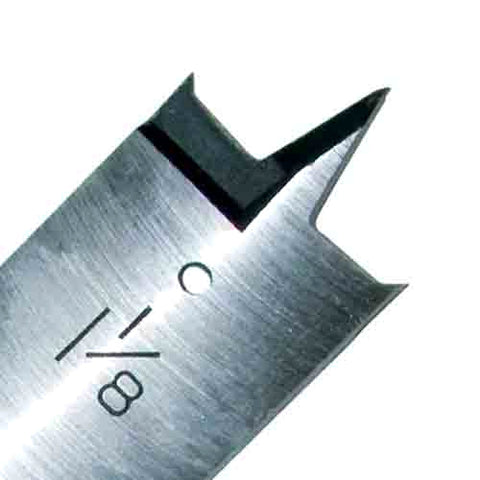
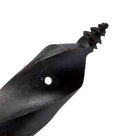
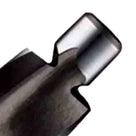
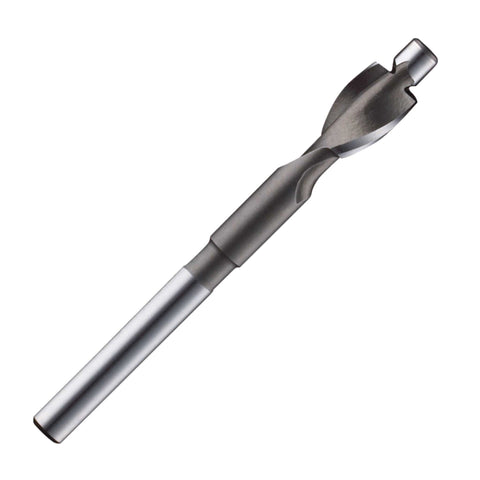
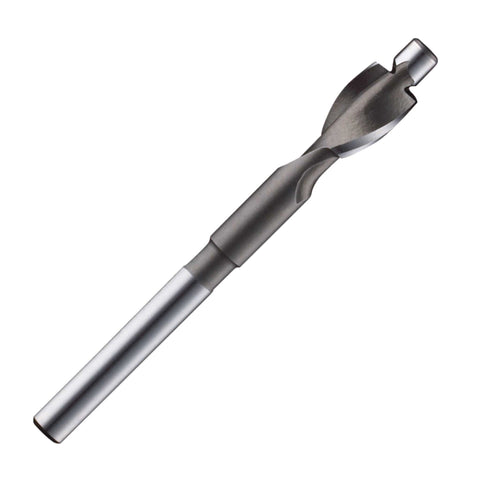
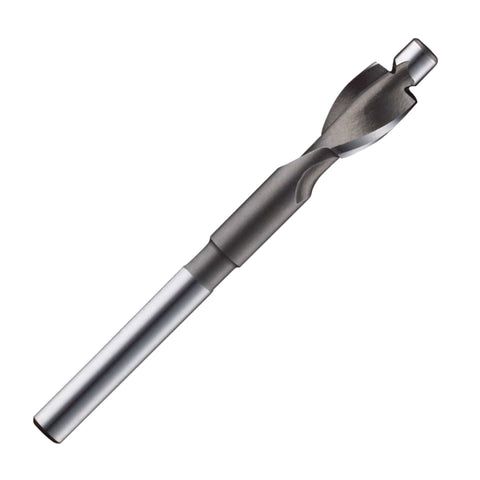
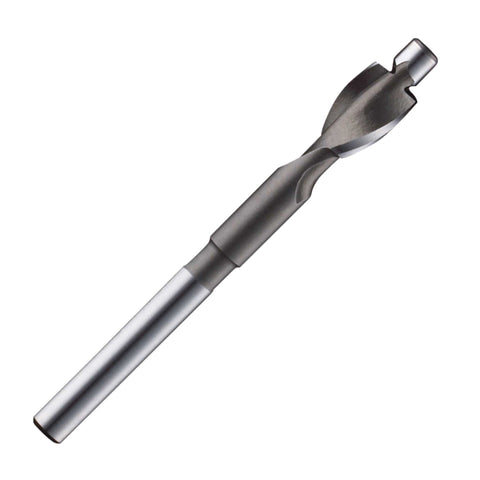
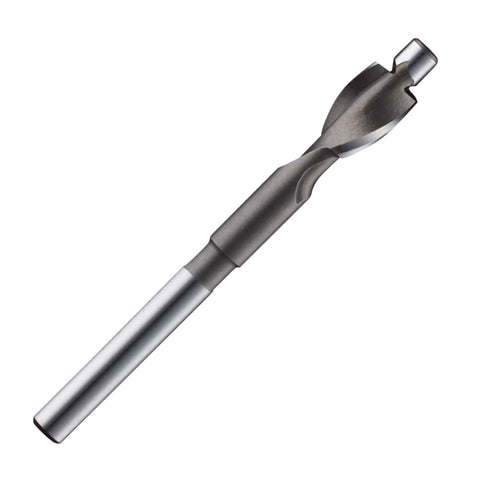
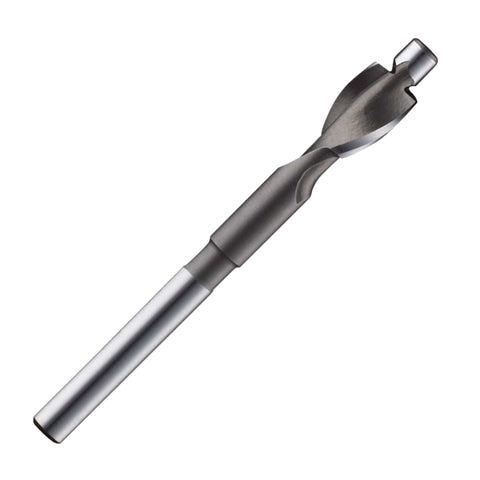
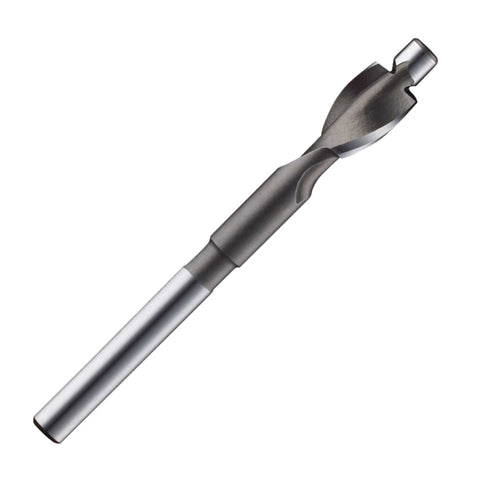
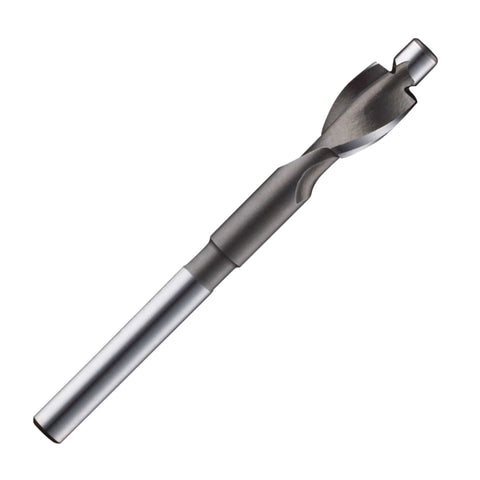
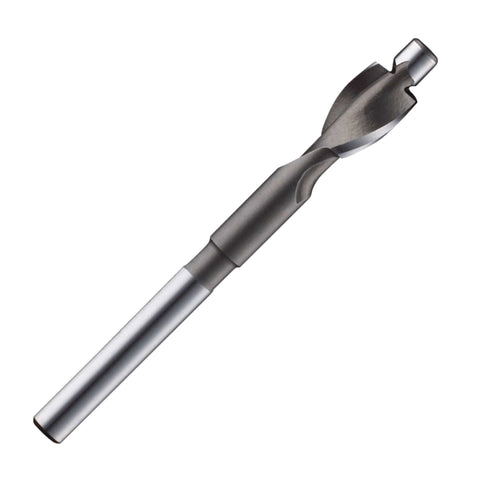
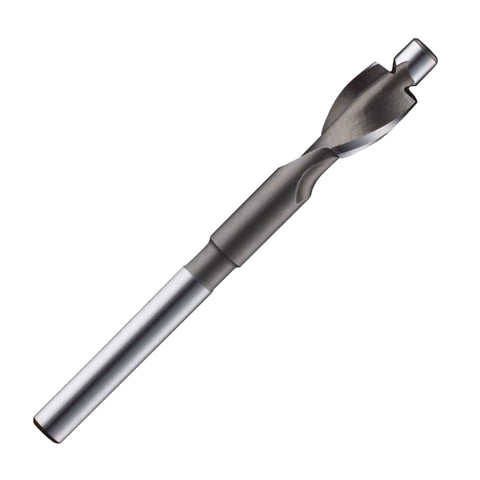
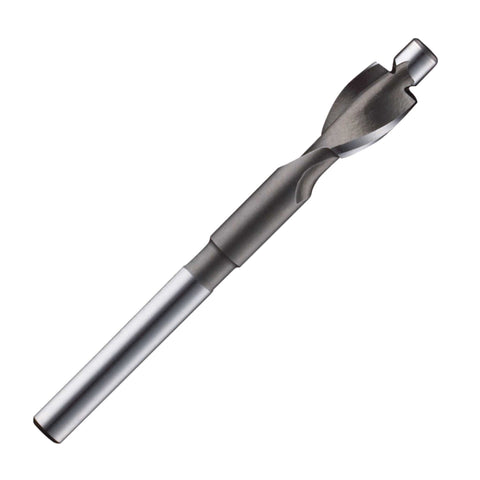
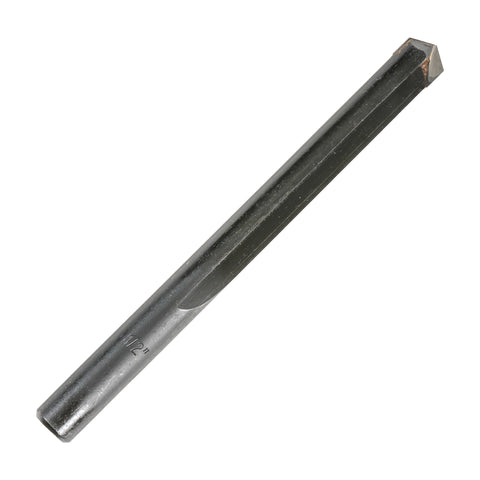
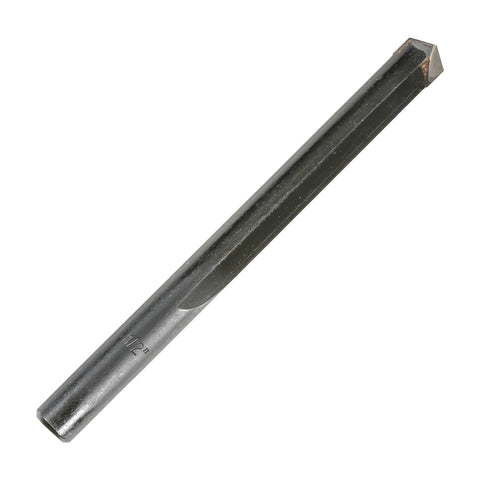
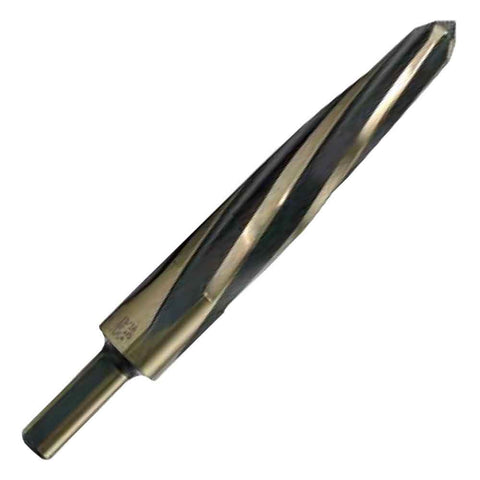
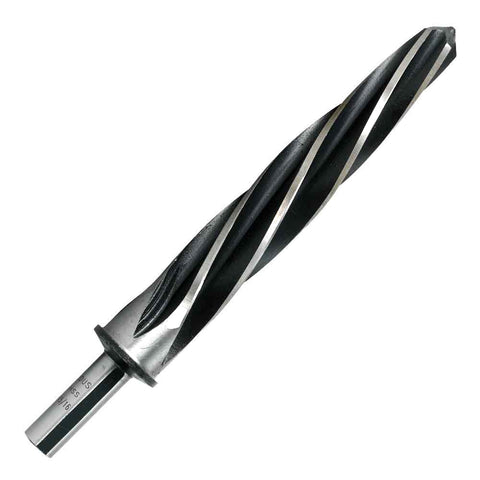
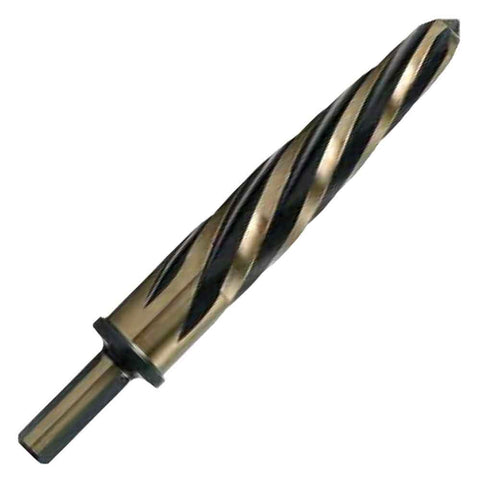
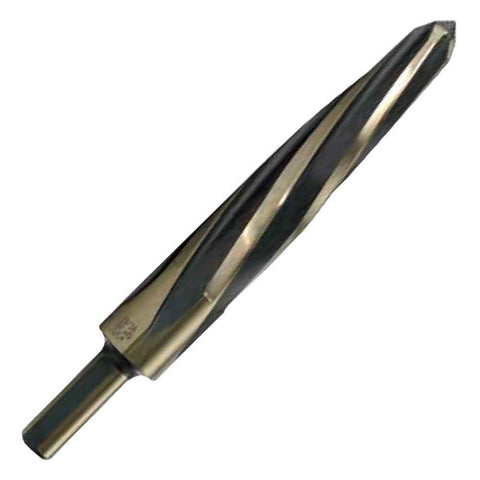
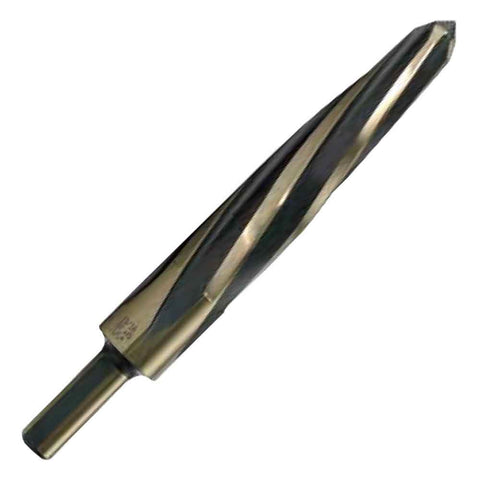
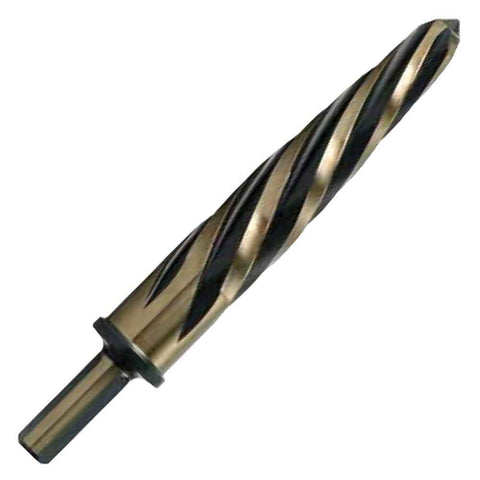
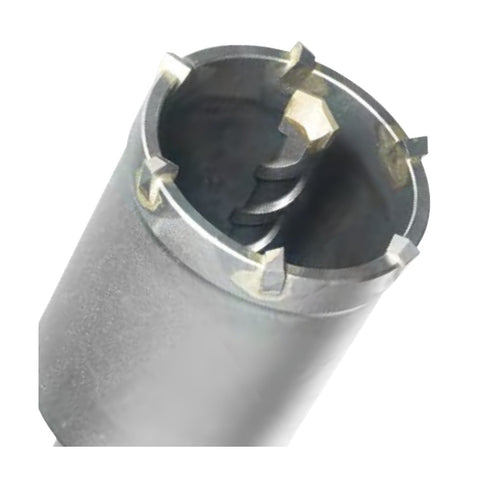
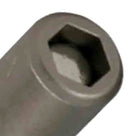
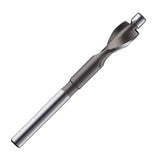
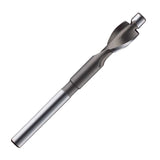
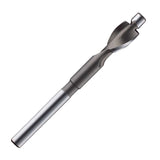
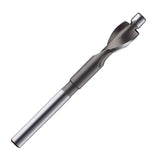
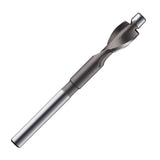
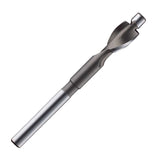
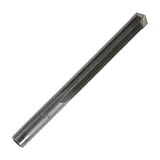
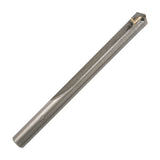
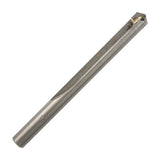
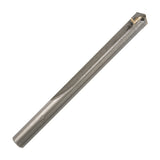
A counterbore is a flat-bottomed, straight-walled pocket cut on top of a smaller hole, and it is also the name of the tool that cuts it. The pocket gives a cylinder-shaped head, like a socket head cap screw, a square seat so the head sits flush with or below the surface (Wikipedia’s counterbore entry).
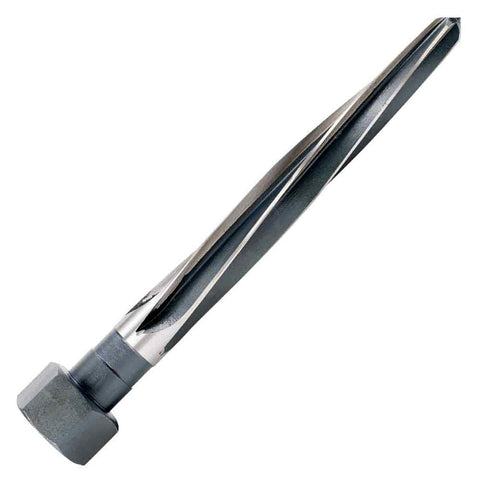
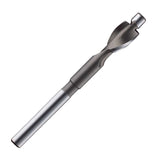
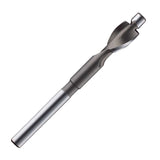
The tool has a cutting head and a smaller pilot on the tip. The pilot rides in the hole you already drilled and keeps the pocket centered on it. That is why counterbores are sold by two sizes: the screw size, which sets the pocket diameter, and the pilot size, which has to match your drilled hole.
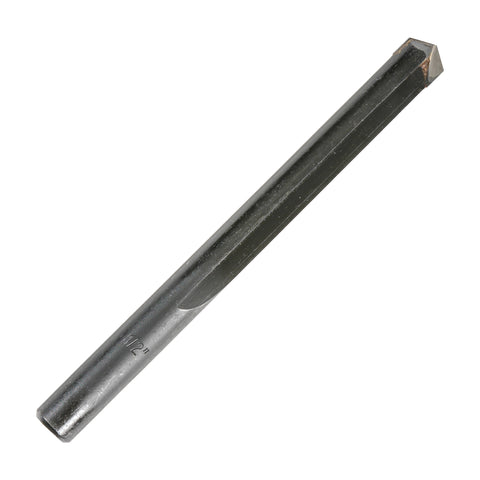
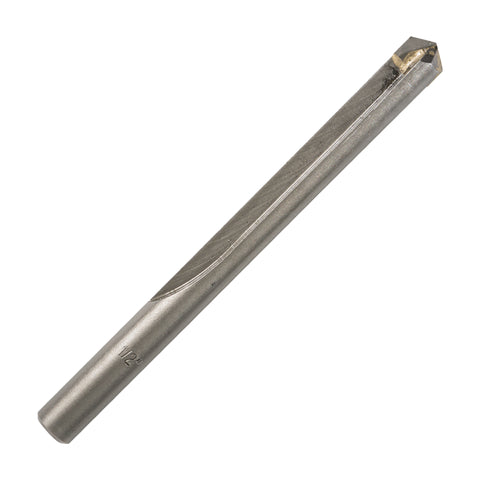
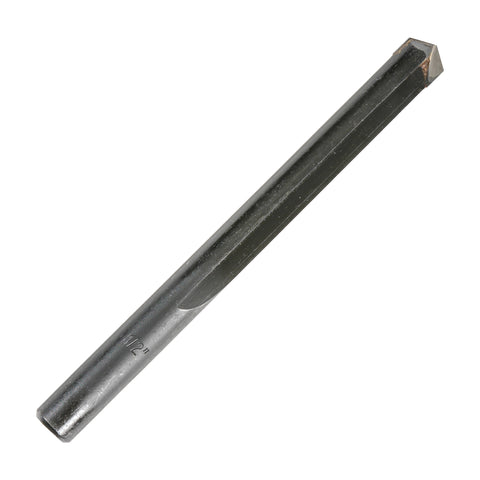
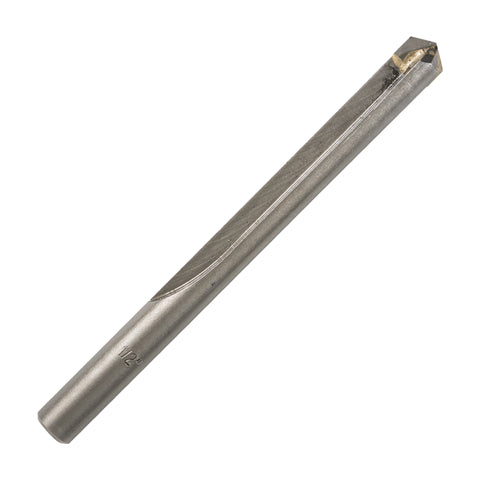
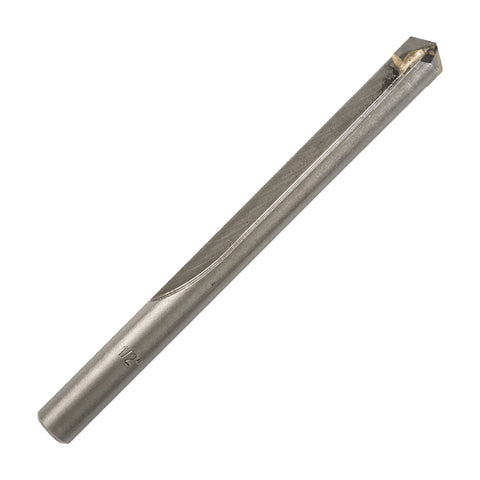
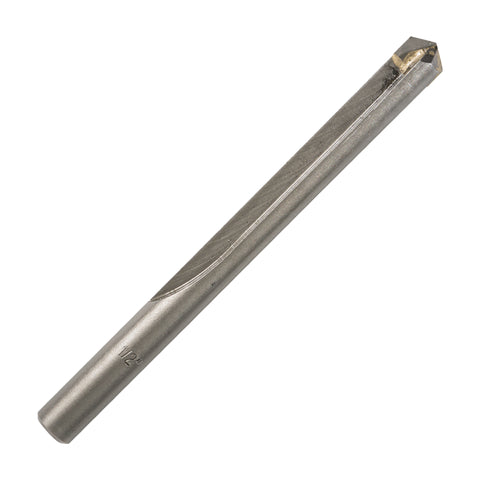
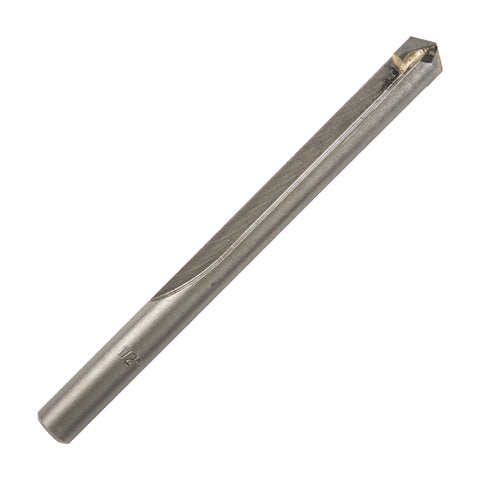
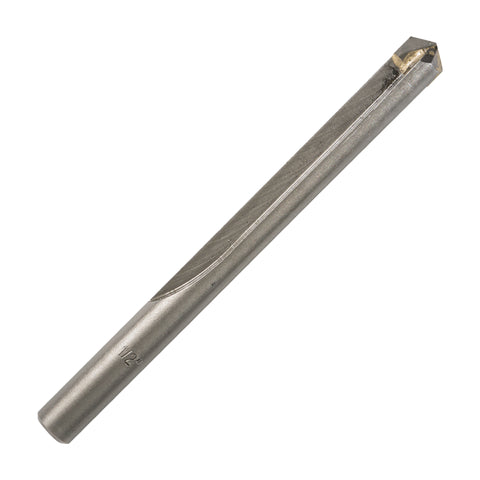
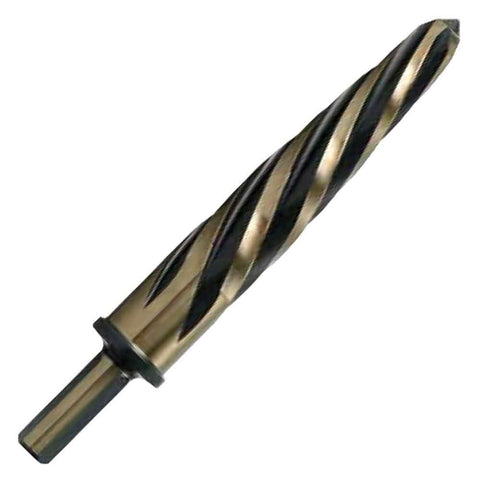
The counterbores we carry are Weldon Tu-lip® two-flute counterbores in M-7 high-speed steel with a solid pilot. They cover #4 through 1/2 in. screws in three families:
LGN (#4 to #10 screws): 2-1/2 to 2-3/4 in. overall, $62.81 to $63.37 each.
LGS short series (1/4 to 1/2 in. screws): 3-1/2 to 5 in. overall, $63.82 to $92.75 each.
LGL long series (1/4 to 1/2 in. screws): 5-1/2 to 7 in. overall for deep or hard-to-reach pockets, $76.38 to $116.79 each.
What is a countersink?
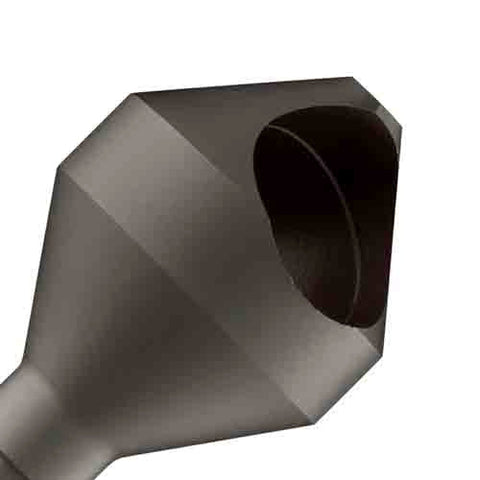
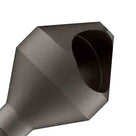
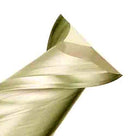
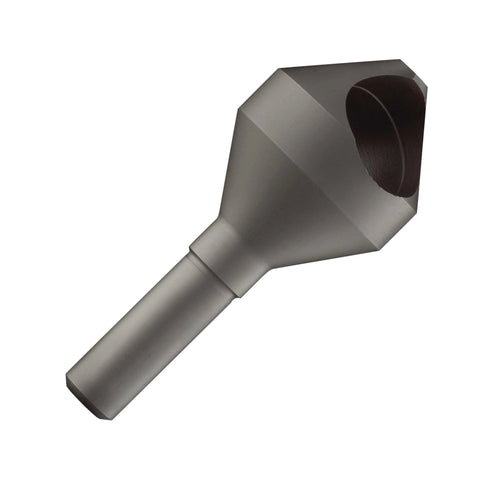
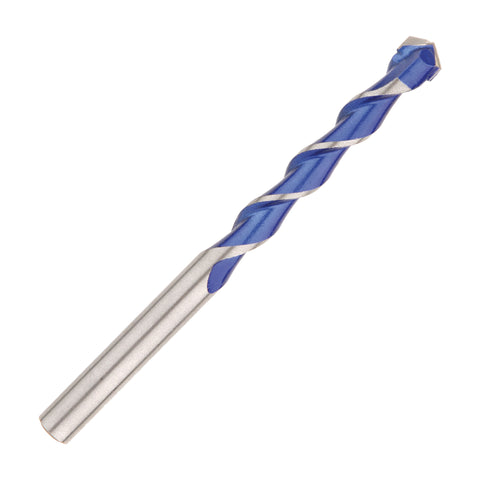
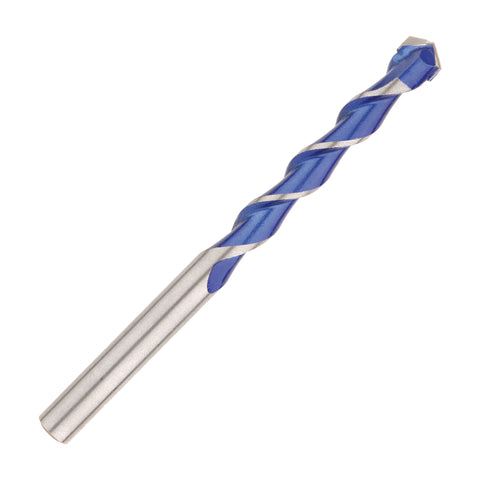
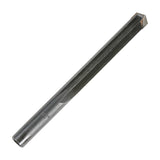
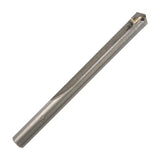
A countersink is a cone cut into the top of a hole so a flat-head screw, bolt or rivet sits flush with the surface (Wikipedia’s countersink entry). The cone’s included angle has to match the angle under the screw head. Inch flat-head screws in the US use 82°.
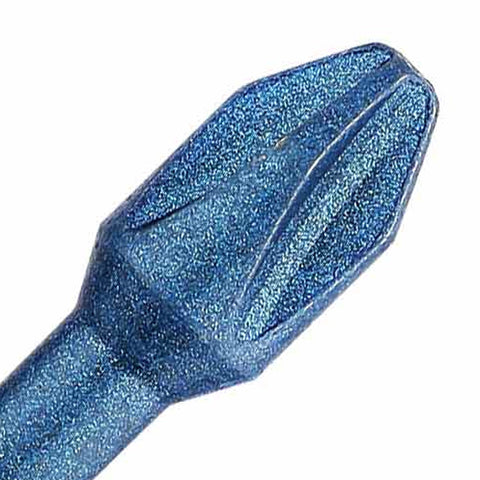
The same tool does a second job every shop needs: it knocks the burr off a drilled hole and leaves a small, even chamfer. A few turns in each hole edge keep sharp lips off sheet metal, strut and pipe, and help a tap or bolt start straight.
The 82° countersinks we carry are Weldon tools with Weldonite coating, in two styles:
Piloted countersinks (CS8 to CS16 series) for 1/4 to 1/2 in. screws. A pilot rides in the hole, so the cone comes out centered. $20.90 to $43.62 each.
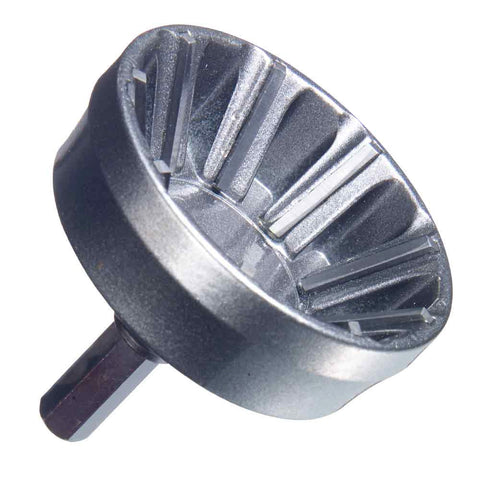
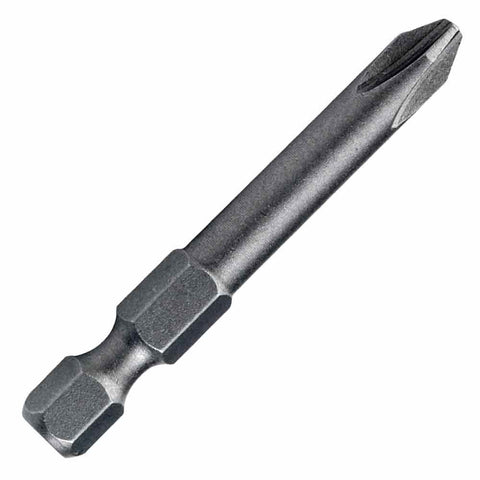
Pointless countersinks (CS-S, CS-H and range series) cut any hole inside a size range, for #2 screws up to holes of 1-15/32 in. The H versions have a hex shank for quick-change chucks and impact drivers. $10.21 to $123.44 each.
What is the difference between a counterbore and a countersink?
The difference between a counterbore and a countersink is the shape of the seat: a counterbore cuts a flat-bottomed cylinder, and a countersink cuts a cone. That one difference decides which screw head fits, how much metal comes out, and what else the tool is good for. The table below is the whole comparison in one place.
Trait |
Counterbore |
82° countersink |
|---|---|---|
Shape of the seat |
Flat bottom, straight walls |
82° cone |
Screw head it fits |
Socket head cap screws, hex bolts, bolts with washers |
82° flat-head screws and flat socket cap screws |
Where the head ends up |
Flush with or below the surface |
Flush with the surface |
How it centers |
Solid pilot matched to your drilled hole |
Pilot (CS8 to CS16 series) or the cone itself (pointless styles) |
How it is sized |
Screw size plus pilot size |
Screw size, or a minimum-to-maximum hole range |
Metal removed |
More: a pocket about 1.5 times the screw diameter, as deep as the head is tall |
Less: a shallow cone |
Second job |
Spotfacing a flat seat on rough or uneven stock |
Deburring and chamfering any drilled hole |
Our price range |
$62.81 to $116.79 each |
$10.21 to $123.44 each; most under $45 |
Verdict: counterbore for a cap screw or bolt head that must sit below the surface. Countersink for a flat-head screw that must sit flush, and for cleaning up every hole you drill.
When do you need a counterbore?
You need a counterbore when a socket head cap screw or bolt head cannot stick up above the part. If something slides, stacks or bolts flat against that face, the head has to go below it.
In a fab shop that covers most fixture and machine work:
Fixture plates, jigs and tooling plates, where parts have to slide across the top.
Mating faces on brackets, guards and machine bases that bolt flat to something else.
Stacked plates, where the next plate sits right on top of the screw heads.
Moving parts, where a proud head would catch a hand, a hose or a cable.
Plumbing and mechanical crews reach for a counterbore less often. It comes up when they fabricate a mounting plate, pump base or hanger bracket that has to sit flat against a wall, a slab plate or another bracket.
Check the thickness first. A counterbore needs the part to be thicker than the screw head is tall, plus enough metal under the pocket to carry the load. On thin plate or sheet, neither tool works well: a counterbore cuts through, and a countersink leaves a knife edge around the hole. Use a button or low-head cap screw there instead.
When do you need a countersink?
You need a countersink when a flat-head screw has to sit flush, and any time you want a clean, burr-free hole edge. The second job is the one most crews use it for every day.
Flush flat-head screws:
Access panels, covers and guards that people touch or slide things across.
Hinges, strike plates and hardware with countersunk holes.
Flat socket cap screws in fixtures, where the cone centers the screw and the part can be thinner than a counterbore would need.
Deburring and chamfering:
Every hole drilled in sheet metal, strut, angle and plate, so nobody cuts a hand on the lip.
Holes in pipe, tube and enclosures before wire, tubing or gaskets go through.
The top of a hole before tapping, so the first thread starts clean and does not raise a burr.
For field work, the hex-shank pointless countersinks (CS-3H, CS-8H, CS-18H) drop straight into a quick-change chuck or impact driver. A plumber or electrician can deburr a row of holes without changing chucks.
Why are countersinks 82°?
Countersinks for inch screws are 82° because US flat-head screws are made with an 82° head. That covers flat-head machine screws and flat socket cap screws to ASME B18.3. Metric flat-head screws to ISO and DIN 7991 use 90°, and aerospace fasteners typically use 100° (Wikipedia’s countersink entry; ASME B18.3 distributor listings).
Screw you are setting |
Countersink angle |
|---|---|
Inch flat-head machine screws and flat socket cap screws |
82° |
Metric flat-head screws (ISO, DIN 7991) |
90° |
Aerospace flat-head fasteners |
100° (check the drawing) |
A mismatched angle seats the head on a thin ring instead of the whole cone. The screw can sit proud, work loose under vibration, or crack a thin part. If the screw is inch and made in the US, use 82°.
What size counterbore do I need for my screw?
Pick the counterbore by screw size first, then by the pilot that matches the drill you used for the through hole. For 1/4 in. screws and up, our -2 pilot matches the standard close-fit clearance drill and the -3 pilot matches the normal-fit drill (Machinery’s Handbook, 30th ed.). The -1 pilot is for a hole drilled at screw size.
Screw |
Pocket diameter (in.) |
Depth for a flush head (in.) |
-1 pilot |
-2 pilot |
-3 pilot |
Matching 82° countersink |
|---|---|---|---|---|---|---|
#4 |
.199 |
.112 |
.110 |
.125 |
— |
|
#6 |
.242 |
.138 |
.136 |
.150 |
— |
|
#8 |
.290 |
.164 |
.162 |
.178 |
— |
|
#10 |
.332 |
.190 |
.188 |
.204 |
— |
|
1/4 |
13/32 |
.250 |
1/4 |
17/64 |
9/32 |
CS8-1 or CS8-2 |
5/16 |
1/2 |
.312 |
5/16 |
21/64 |
11/32 |
CS10-1 or CS10-2 |
3/8 |
19/32 |
.375 |
3/8 |
25/64 |
13/32 |
CS12-1 or CS12-2 |
7/16 |
11/16 |
.438 |
7/16 |
29/64 |
17/32 |
CS14-1 or CS14-2 |
1/2 |
25/32 |
.500 |
1/2 |
33/64 |
17/32 |
CS16-1 or CS16-2 |
The depth column is the head height of a standard socket head cap screw, which equals the screw diameter from 1/4 in. up. Go about .010 to .030 in. deeper so the head sits just under the surface instead of exactly even with it.
Weldon pockets run 1/64 to 1/32 in. over the screw head. That is a tighter pocket than the Machinery’s Handbook chart, which gives 7/16 in. for a 1/4 in. screw where ours is 13/32 in. It leaves a neater look and still clears the head.
Which counterbore or countersink should I buy?
Start with the close-fit (-2) counterbore for the screw you use most, and one range countersink that deburrs every hole in that size band. The table lists the tools most shops start with. Every tool is sold individually.
SKU |
Tool |
Fits |
Price per piece |
Pack |
Pick this when |
|---|---|---|---|---|---|
Counterbore, 2-3/4 in. long |
#10 screw, .204 pilot |
$63.37 |
1 |
You set #10 cap screws in fixture plates |
|
Counterbore, short series |
1/4 in. screw, 17/64 pilot |
$63.82 |
1 |
1/4 in. close-fit holes, the most common shop size |
|
Counterbore, short series |
5/16 in. screw, 21/64 pilot |
$69.16 |
1 |
5/16 in. cap screws in brackets and bases |
|
Counterbore, short series |
3/8 in. screw, 25/64 pilot |
$73.99 |
1 |
3/8 in. cap screws in plate and machine bases |
|
Counterbore, short series |
1/2 in. screw, 33/64 pilot |
$92.75 |
1 |
1/2 in. bolts in heavy plate |
|
Counterbore, long series, 6-1/2 in. |
3/8 in. screw, 25/64 pilot |
$91.96 |
1 |
The pocket sits at the bottom of a recess the short series cannot reach |
|
82° piloted countersink |
1/4 in. flat-head screw, 17/64 pilot |
$20.90 |
1 |
Flush 1/4 in. flat-head screws in close-fit holes |
|
82° piloted countersink |
3/8 in. flat-head screw, 25/64 pilot |
$33.70 |
1 |
Flush 3/8 in. flat-head screws in close-fit holes |
|
82° pointless countersink |
#10 screws |
$13.46 |
1 |
Flush #10 flat-head screws in panels and covers |
|
82° pointless countersink, 1/4 in. shank |
Holes 3/16 to 17/32 in. |
$18.04 |
1 |
One tool to deburr most holes on the bench |
|
82° pointless countersink, hex shank |
Holes 3/16 to 17/32 in. |
$18.04 |
1 |
Deburring on site in an impact driver |
|
82° pointless countersink, 1/2 in. shank |
Holes .431 to 7/8 in. |
$54.09 |
1 |
Deburring 1/2 to 3/4 in. bolt holes |
Prices from our product catalog on Oct 19, 2026, per piece. See every size in Counterbores and 82° Countersinks.
"Here's the rule of thumb on countersink vs counterbore; do you need the head to sit flat on a shelf below the surface? Choose a counterbore. Need it smooth and flush with the face? Choose a countersink.”
David Castro, President, Eldorado Tools
FAQ
What are the counterbore and countersink symbols on a drawing?
The counterbore symbol is ⌴, a square-bottomed U, and the countersink symbol is ⌵, a V. A callout reads hole size first, then the symbol with its diameter and depth (counterbore) or diameter and angle (countersink).
Can I use a countersink instead of a counterbore?
No. A cap screw head is flat underneath, so in a cone it touches only at the outer edge and will not sit flush. Use a countersink only for flat-head screws.
What is the difference between a spotface and a counterbore?
A spotface is a very shallow counterbore. It only cleans up a flat seat for a bolt head or washer on rough or cast surfaces, while a counterbore goes deep enough to bury the head.
How deep should a counterbore be?
As deep as the screw head is tall, plus about .010 to .030 in. For socket head cap screws from 1/4 in. up, the head height equals the screw diameter, so a 3/8 in. screw needs about .390 to .400 in.
Do I need a piloted countersink?
Use a piloted countersink when the cone must be centered exactly on the hole, as with flat-head screws in a fixture. For deburring and general flush screws, a pointless countersink is faster and one tool covers a range of holes.
What speed should I run a counterbore at?
Slower than you would drill a hole the same size as the pocket, with cutting oil and a steady feed so it does not chatter. Our drill speed chart has the RPM for each size.
Questions about a job? Call our team at (833) 4-ETOOLS or email sales@eldoradotools.com.
Sources: counterbore and countersink definitions, symbols and angles from Wikipedia’s counterbore and countersink entries; clearance drill sizes and socket head cap screw head heights from Machinery’s Handbook (29th and 30th eds., via AMES); counterbore depth allowance from Toolgrit’s counterbore guide; 82° head angle from ASME B18.3 flat socket cap screw listings; tool dimensions from Weldon product specifications. Prices from our product catalog on Oct 19, 2026.
Change log: first drafted Oct 2026 with prices checked on Oct 19, 2026.